

Outdoor enthusiasts in the state trap animals as part of a long tradition of maintaining a connection to the land and harvesting quality protein and pelts. If you're in Michigan and you've never trapped furbearers or smaller creatures like rabbits, you're missing out on a unique experience.
Whether you trap bobcats, minks, beavers, or coyotes, we're here to help you find the right time and place to set your traps. Let's dive into the Michigan trapping season, exploring critical dates, history, and must-know regulations.
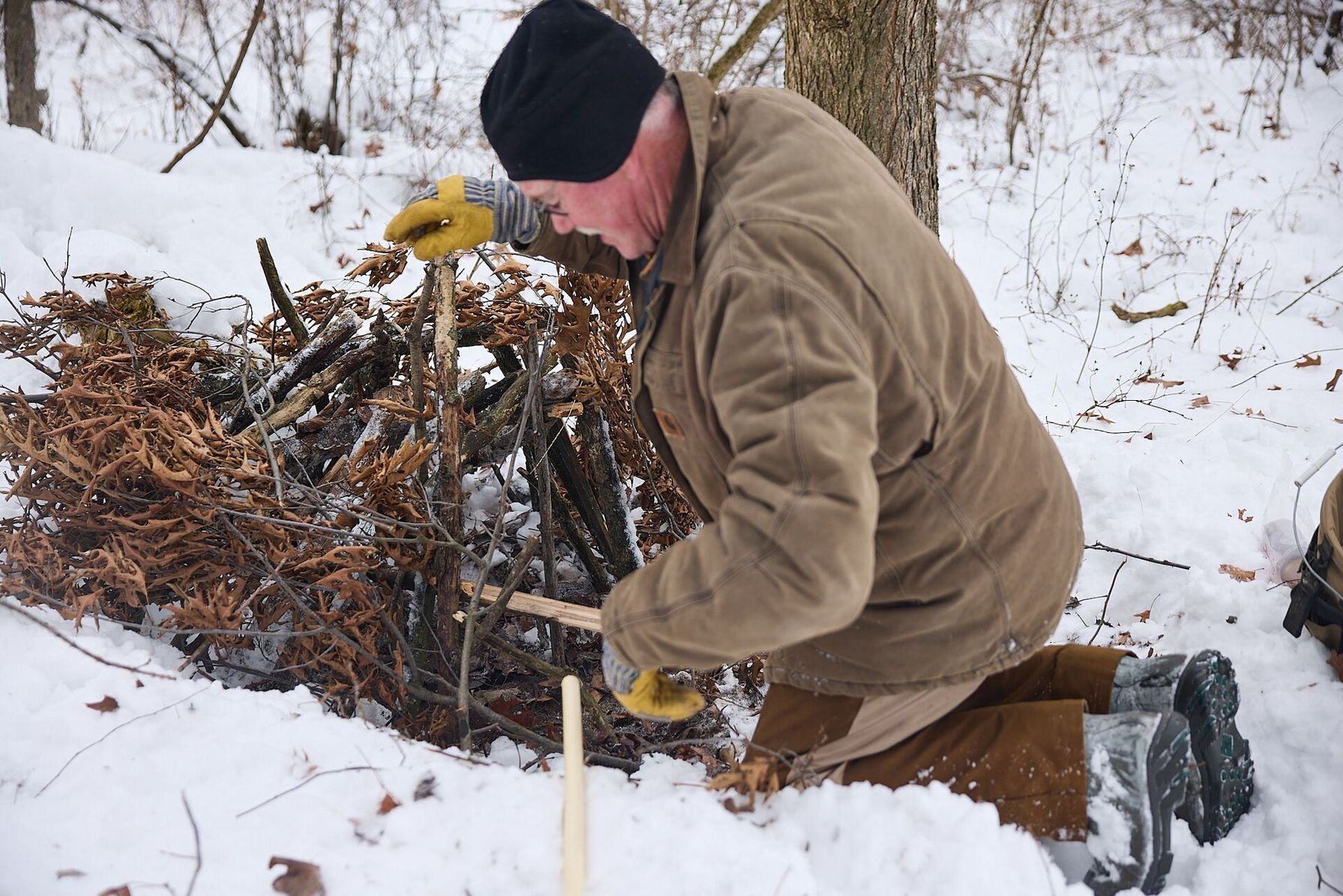
Trapping in Michigan
In addition to a thriving hunting history season after season, the Great Lakes State has historically been a hub for fur harvesting and trade, encouraging exploration and economic growth throughout the region. The arrival of French explorers in the 17th century sparked an explosion of interest in the beaver trade from Fort Michilimackinac to Detroit, and highly skilled indigenous trappers traded pelts for metal tools, firearms, and blankets. When British trappers arrived in the 19th century, the beaver population declined sharply.
Today, the Michigan Department of Natural Resources (MDNR) oversees all trapping seasons, methods, and licensing to ensure sustainable harvesting and breeding practices. Many present-day trappers maintain a connection to the past by using their harvest for fur, meat, or to support local economies and traditions. Trapping also controls nuisance species (such as beavers, raccoons, and coyotes) that can damage property or habitats.
Unlike the wild-frontier harvesting practices of the past, today's Michigan trappers must have fur harvester licenses and follow the current rules and seasons as detailed in the Michigan Fur Harvester Digest.
What Are the Michigan Furbearer Season Dates?
If you're after furs in Michigan, you have ample opportunities to go after badger, bobcat, fox, fisher, marten, muskrat, opossum, otter, raccoon, skunk, weasel, mink, and beaver furs! Here's a breakdown of the Michigan furbearer season dates.
| Michigan Furbearer Season Dates | |
|---|---|
| Badger |
|
| Bobcat |
|
| Fox (Grey & Red) | October 15 – March 1 |
| Fisher | Zone 1: December 5-14 |
| Marten | Zone 1: December 5-14 |
| Muskrat |
|
| Opossum | Year-round (statewide) |
| Otter |
|
| Raccoon | October 1 – March 31 |
| Skunk | Year-round |
| Weasel | Year-round |
When Can You Trap a Beaver in Michigan?
To confirm beaver trapping season dates, Michigan hunters and trappers should consult the Michigan Fur Harvester Digest for unit maps and special restrictions.
| Michigan Beaver Trapping Season Dates | |
|---|---|
| Unit A |
|
| Unit B |
|
| Unit C |
|
Beaver trappers must have a fur harvester license and follow all setback, tagging, and trap-style requirements of the Michigan furbearer season. The spring is an ideal time to trap beavers: they're abundant and mobile as young males explore to establish their habitats, and their pelts are high-quality following a period of winter conditioning.
When Can You Trap Mink in Michigan?
If you want to set a trapline for mink, ensure you follow the dedicated trapping seasons. Mink often share similar habits with muskrats, traveling along the edges of streams, marshes, and other waterbodies.
Typically, where you find muskrat, you'll discover mink, and any trap for mink will generally work for muskrat. Look for mink hunting zones by searching for small, sharp claw marks in the mud.
Mink trapping varies by zone, so consult zone boundaries and specific trapping regulations, Michigan trappers.
| Michigan Mink Trapping Season Dates | |
|---|---|
| Zone 1 | Trapping dates run from October 25 to March 1 |
| Zone 2 | Trapping runs from November 1 to March 1 |
| Zone 3 | Trapping runs from November 10 to March 1 |
For details on Michigan furbearer season 2025, check the Fur Harvester Digest.
Can You Trap Coyotes Year-Round In Michigan?
Michigan does not permit coyote trapping year-round.
The official statewide trapping season for coyote and fox runs from October 15 to March 1, and you must hold a furbearers license to take part. Removal licenses may be available on private land if damaging or destructive coyotes pose an imminent or present threat to livestock.
While trapping is not open year-round during the Michigan trapping season 2025-2026, trapping outside the allocated trapping season is possible with a special permit from the MDNR.
However, hunting coyotes has recently been reinstated as a year-round open season with no bag limit due to an explosion in coyote numbers. The unsustainable number of coyotes in the ecosystem has led to pressure on the populations of deer, turkey, hare, rabbit, and other game and non-game species.
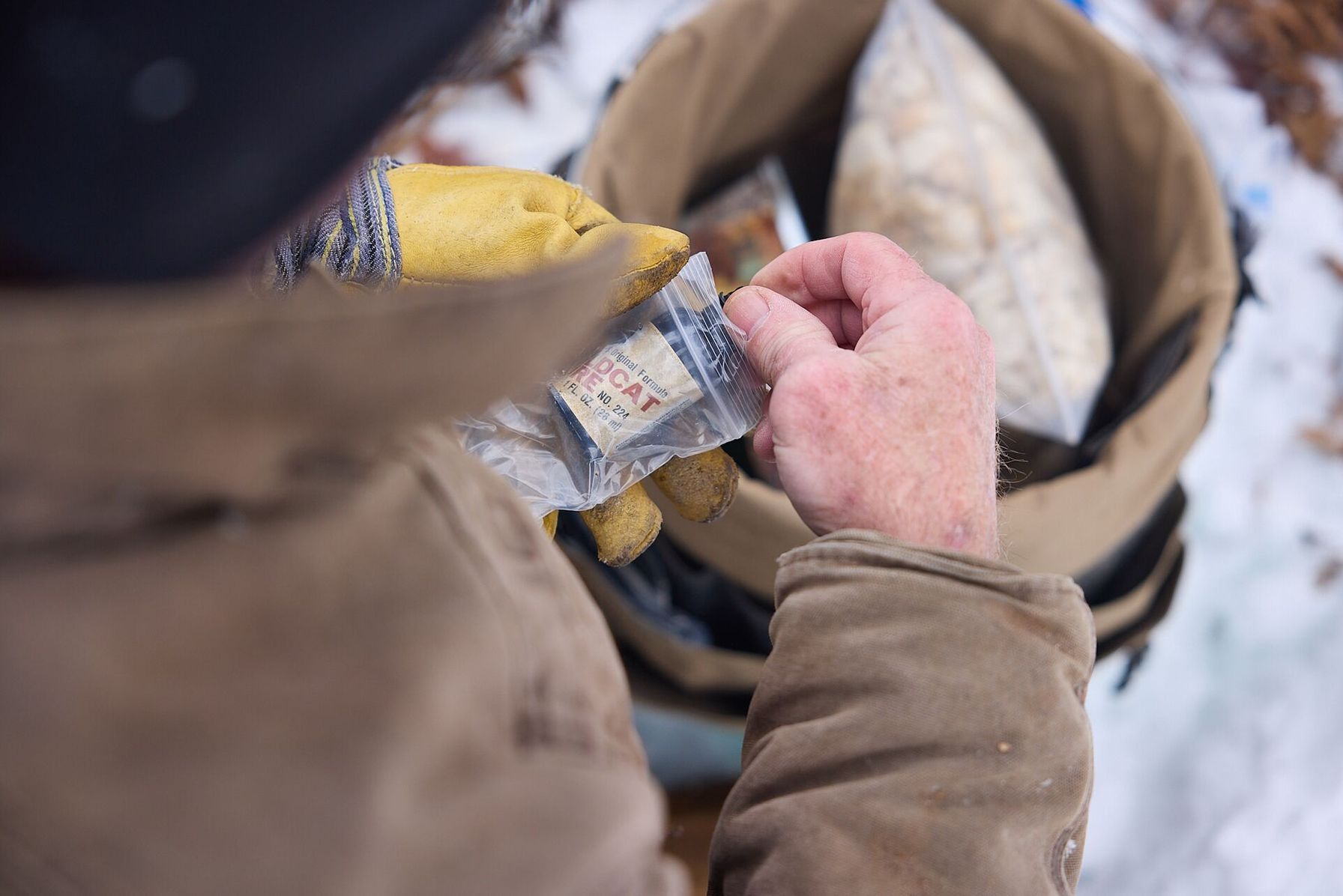
Trapping Regulations During Michigan Trapping Season
The trapping season dates in Michigan are set by the MDNR, as are trapping methods, which vary by species and geographic zone. To trap, you'll need a base license followed by a furbearer license. To successfully obtain a license, you must also complete a hunter education course.
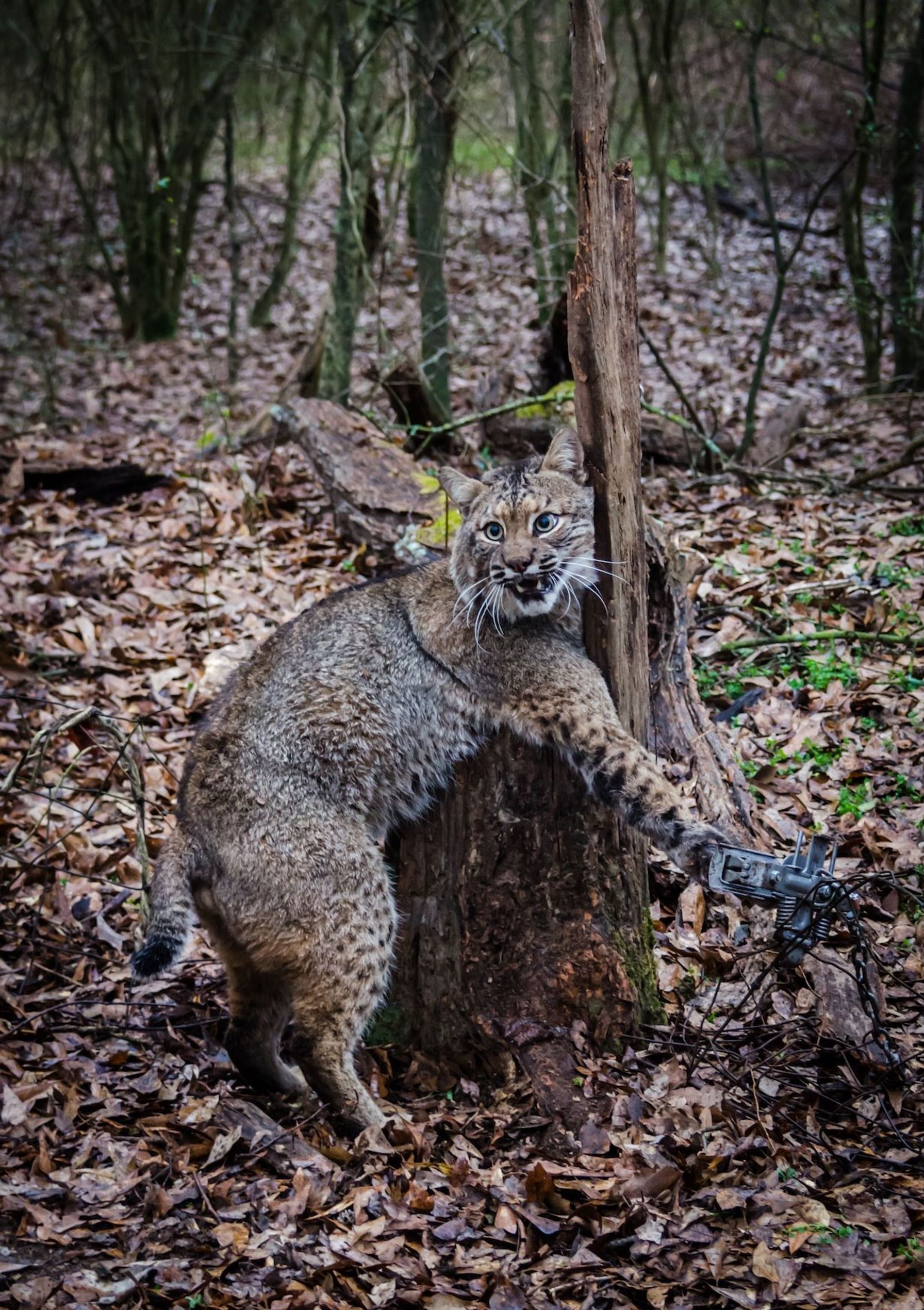
Particular species may require additional permits. For example, kill tags are necessary for bobcat, otter, fisher, and marten before harvest.
When it comes to trapping regulations, Michigan laws are manageable and straightforward, so long as you keep on top of legal trap types, sizes, and placement rules as outlined in the MDNR Fur Harvester Digest. Ethical trapping practices and daily trap checks are mandatory to prevent unnecessary suffering, and trappers must report harvests for particular species as directed by the MDNR.
How To Trap Live Animals
The design and size of live traps will change depending on your intended target species during the Michigan trapping season. Let's cover some of the basic principles with a brief Michigan trapping guide.
Live-capture traps (cage or box traps) can capture animals without causing injury or death. These devices must be sized appropriately for the target animal, and this is also an ethical obligation when trapping.
Typically, traps are placed in high-traffic areas along animal travel routes, near dens or food sources. Any edges connecting waterways to forests, or zones with clear signs of animal presence, such as recent droppings or footprints, are likely to be productive.
Before you begin trapping, use HuntWise and the HuntCast feature to track animal movement and mark high-potential trapping zones. The LiDAR mapping overlay can help you uncover lesser-known pinch points, micro-drainages, ditches, hidden creeks, and even old roads that may not appear on traditional maps.
Bait your traps with food or scent attractants suited to the species (e.g., meat for carnivores, grains for rodents). Always follow scent-control strategies by using scent-free products and clothing, and practice boil-and-wax before setting any new traps. Species such as coyotes are notoriously trap-shy, and a heavy scent left on even the best-laid trap won't help.
And of course, always check traps daily to ensure humane treatment and compliance with state law.
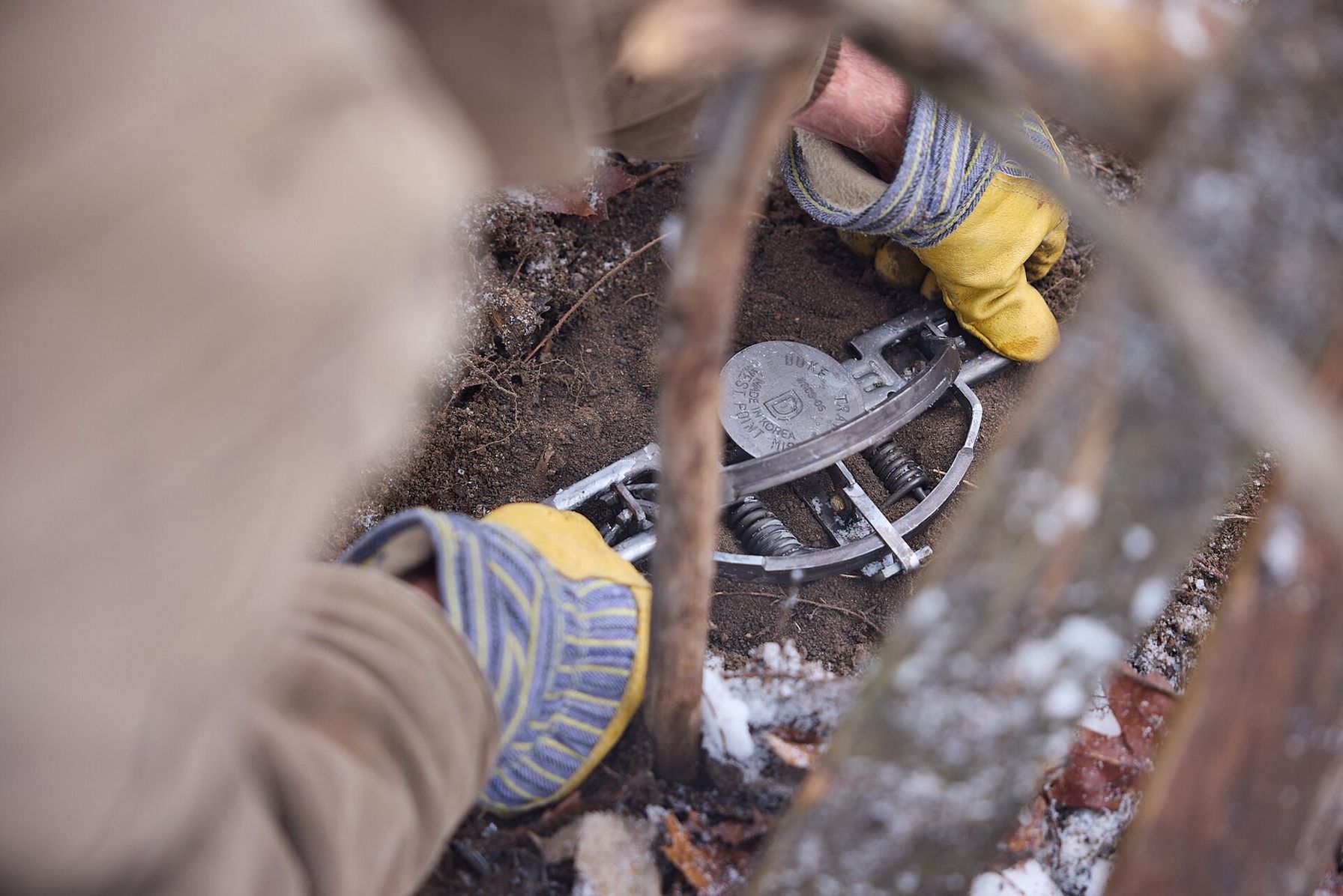
Michigan Trapping Season is Better With HuntWise
Trapping remains a vibrant, cherished activity across Michigan's remote lakes, streams, and farmland. During Michigan trapping season, you can develop bushcraft, stalking, spotting, and other skills needed for trapping and hunting.
When you're ready to dive deeper into the Michigan trapping tradition (or if you're an active trapper looking to locate some new runs), download the HuntWise app. With HuntWise's LiDAR overlay, public and private demarcations, and other mapping features, as well as contact details, you can uncover high-potential areas for the season and future trapping.
Frequently Asked Questions (FAQs)
We have answers to your questions about Michigan trapping season!
Q: Can you trap coyotes year round in Michigan?
A: No, you cannot trap coyotes year-round in Michigan. The regular coyote trapping season is October 15 through March 1. However, landowners (or their designees) may take coyotes year-round on their own property if they are causing damage.
Q: When can you trap a beaver in Michigan?
A: In Michigan, beaver trapping is allowed in fall through spring (roughly October 25 through April 30), with exact dates depending on the management unit (A, B, or C) and residency status.
Q: When can you trap mink in Michigan?
A: Mink trapping is allowed during the furbearer season, typically late October or early November through March 1, depending on the zone.
Q: What is the 450 foot rule in Michigan?
A: The 450-foot rule in Michigan is that you may not hunt with a firearm within 450 feet of an occupied building without written permission from the owner or occupant.


