

Selecting the right rabbit traps (and, more importantly, knowing where to put them) will not only help you increase your rabbit harvest, but it will also limit incidents of distress and capturing non-target species.
Let's dive into everything you need to know about how to trap rabbits, including locating them, trap types, seasons, and legality.
What Is The Easiest Way to Trap a Rabbit?
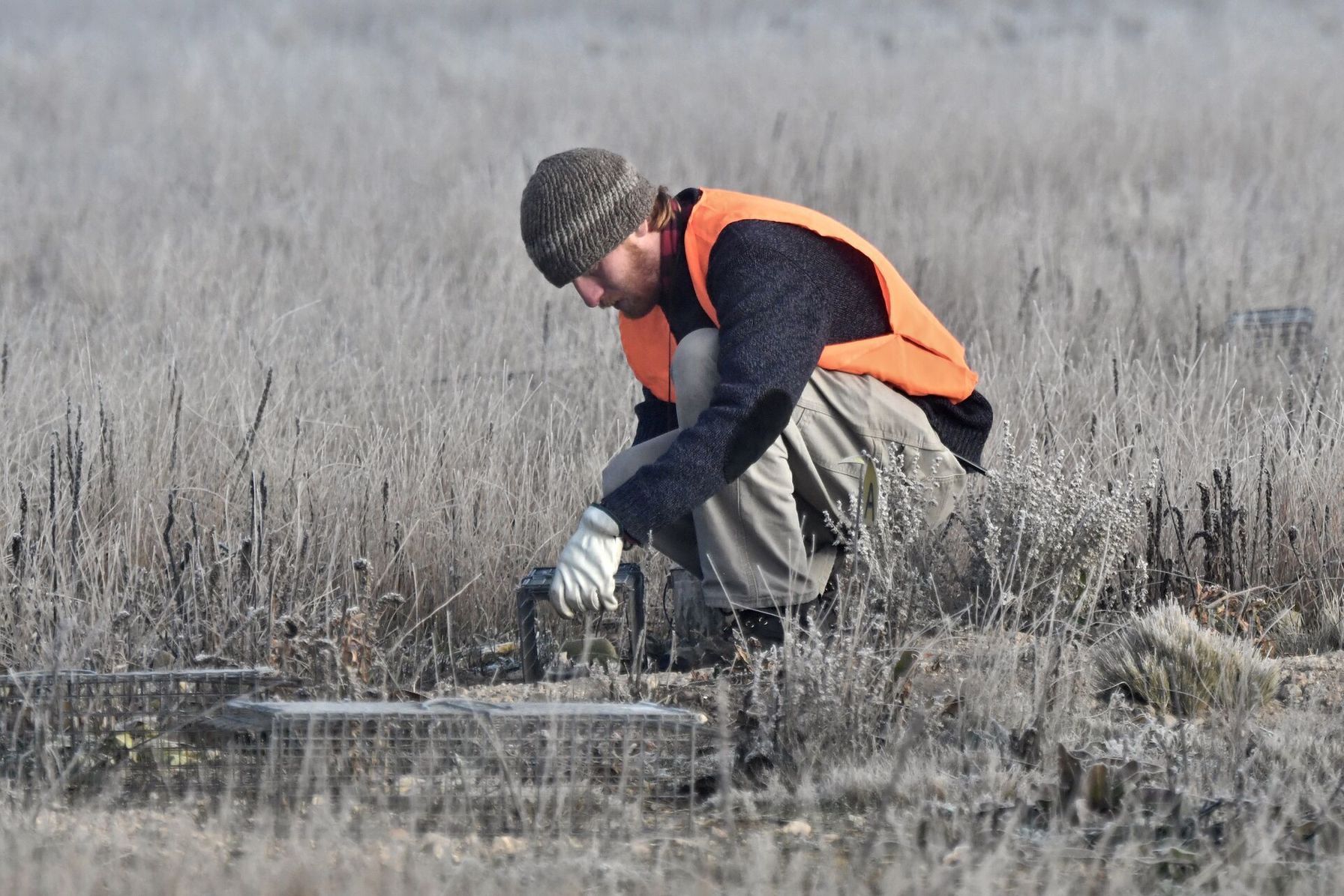
The most straightforward setup is a small live-catch box trap sized for rabbits, placed along a well-used rabbit run or feeding area. Place the trap in an area with some vegetation and cover to limit exposure and take advantage of natural camouflage. When handling the trap, always use neutral gloves to reduce the impact of human scent.
Lay a short bait trail into the trap, and place your main rabbit bait at the back to limit obstructions and ensure the rabbit fully enters the trap. If it's legal in your area, you can free-feed bait for a couple of days before setting up traps. This way, rabbits will begin to associate your bait site with food, which can help boost your capture rates.
When selecting a trap, opt for humane, ready-made models; don't improvise and make dangerous devices. Always test each trap to ensure it functions properly before you set it up.
Can You Legally Trap Rabbits?
The legality of rabbit trapping depends on where you hunt. Some states allow trapping rabbits as a pest or nuisance animal, or under a small-game classification. Other states may restrict trapping, require licenses, or ban possession or transport without a permit.
Always check your state and local regulations, focusing primarily on hunting versus nuisance trapping and rules for private and public land. For example, in California, rabbits are classified as small game mammals for hunting.
To avoid confusion, contact your relevant state wildlife agency to confirm specific licensing requirements and regulations on nuisance trapping.
Is Trapping Rabbits Legal in Every State?
Legality and permissible methods vary by state. Some states allow trapping for nuisance control with few restrictions, and others require permits or licenses. Some states also prohibit the relocation and possession of live wild animals.
States also differentiate between hunting small game, which is subject to seasons and bag limits, and nuisance trapping, which is subject to different rules with typically fewer restrictions. Always verify with your state wildlife agency for the most accurate, up-to-date regulations.
When Is Rabbit Trapping Season?
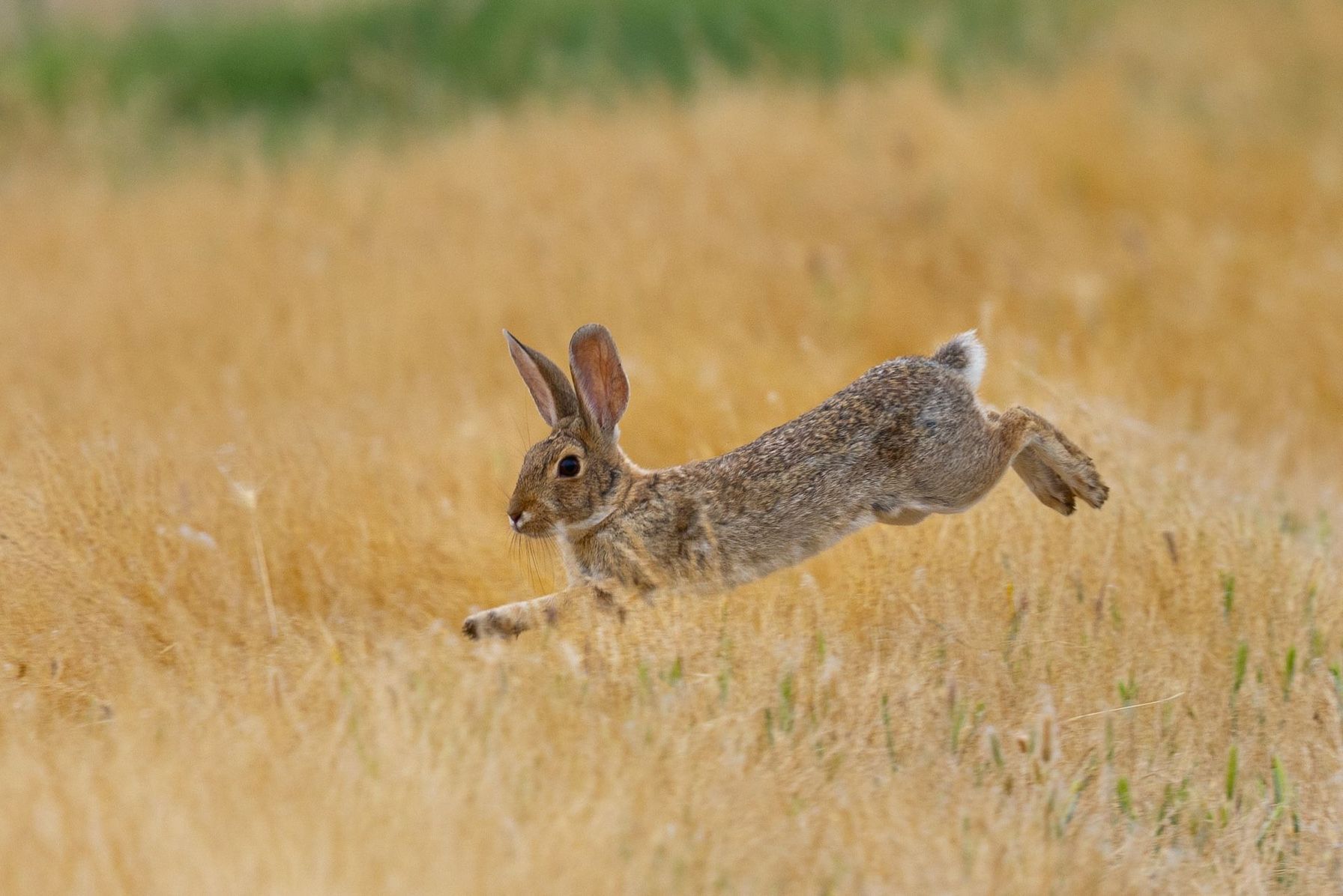
Rabbit trapping seasons vary by state, though they typically open in late summer or fall and run through winter. The seasons are long, and some states may have year-round nuisance rules to help control rabbit populations.
Consult the websites of your local Department of Natural Resources or Fish and Game Commission for seasonal windows, and be sure to check the correct year and dates.
What Traps Are Best for Rabbits?
Standard single- and double-door live-catch cage traps are an ideal choice for rabbit trapping. The traps should be appropriately sized for rabbits and include a trip-plate trigger mechanism. Wooden tube or long box-style traps designed for rabbits or groundhogs work well when placed strategically along narrow runways.
Avoid foothold or body-grip traps, unless you are a permitted fur trapper and those traps are legal in your area.
What Bait Works for Rabbit Traps?
Rabbits are herbivores, so consider apple slices, lettuce, and brassica (e.g., Brussels sprouts) for rabbit bait. A little diced carrot at the entrance and back of the trap will also get the job done.
When setting rabbit bait, I like to think about what's nearby and most closely related to the food rabbits want. If you're rabbit trapping near a sprout field, then sprouts are a great choice.
Commercial pellets can work well, as can a touch of apple cider or apple essence. No matter your rabbit bait, use a small trail of it leading into the trap, and place the largest pieces at the far end so the animal enters fully. You should provide enough bait to sustain the rabbit until your next trap check.
How to Find Rabbits
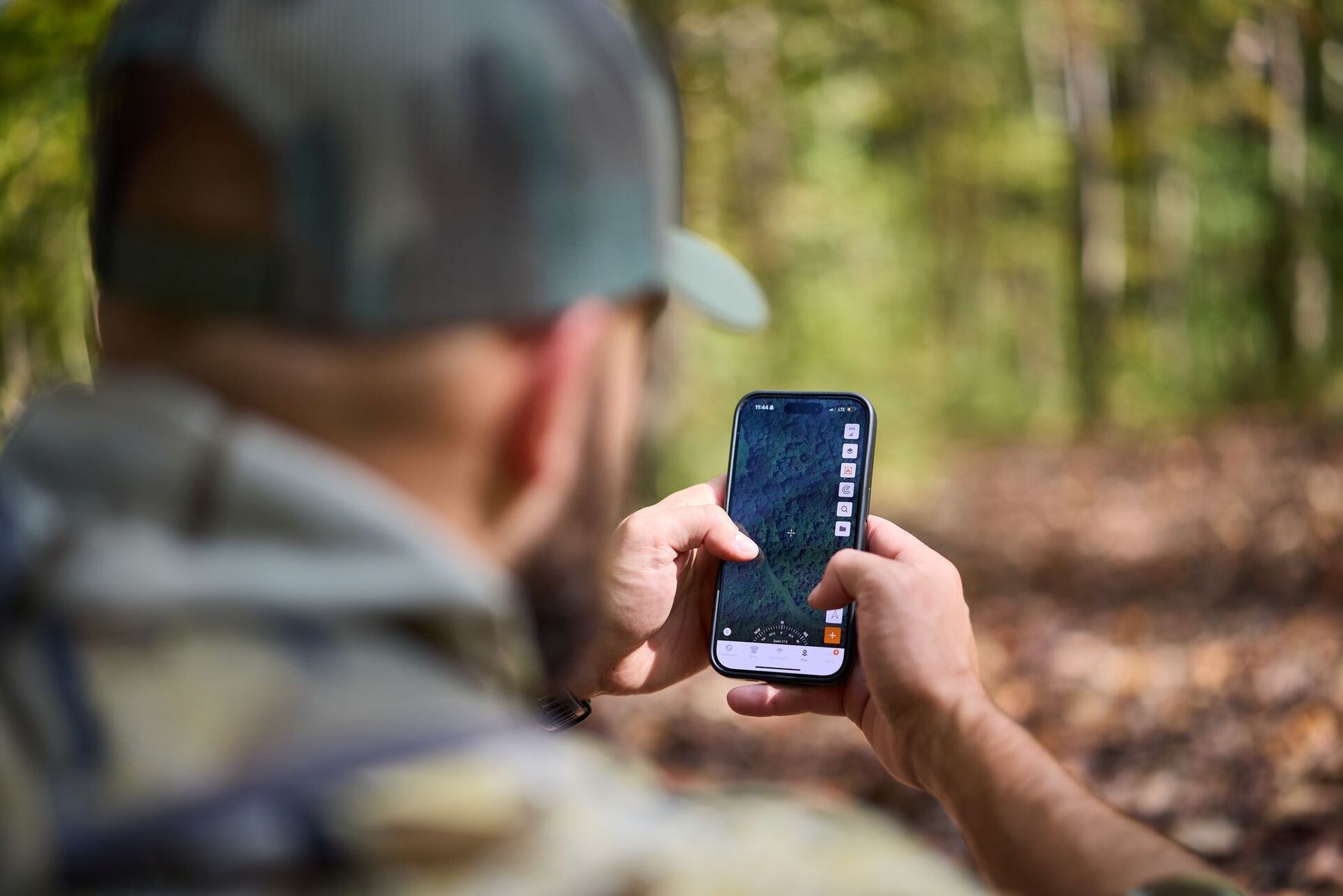
Set rabbit traps where rabbits are most active, along field edges, fence lines, brushy cover, hedgerows, and garden borders. Any blend of cover and easy food access is likely to be a potential rabbit zone. To get started, jump on HuntWise and explore the detailed mapping overlays, including borders with private land, and begin marking potential trapping zones.
Once you hit the ground, scout for warrens, droppings, and nearby pastures, ideally at dawn and dusk when rabbits are most active. Worn travel passages and distinct pathways through vegetation will help you map a pattern of rabbit movement.
Walk the area quietly as you look for feeding signs, and place your traps where runways funnel movement, such as near burrow openings or under hedges. Place rabbit traps away from areas where rabbits will likely be disturbed by humans or other animals. Mark all trapping locations carefully on your HuntWise app, and check regularly to ensure humane trapping.
How To Trap Rabbits: The 6 Best Tips
Ready to get out and trap? These tips will help you learn how to trap rabbits efficiently and effectively.
1. Make Sure It's Legal First
Double-check all state and local laws, including regulations for licensing, relocation and possession, and bag limits. Humane and successful trapping requires experience and careful consideration of all relevant rules.
2. Use Humane Methods
Live-catch traps appropriately sized for rabbits are the most humane choice and will minimize the animal's distress. To maintain an ethical trap, ensure there is sufficient food for a couple of hours, and check it frequently or daily (morning and evening) as required by law.
Never trap in adverse weather, and always approach trapped animals carefully and calmly to reduce stress. Consider using a soft cloth to cover the trap and provide extra shade if you anticipate extreme weather.
3. Optimize Trap Placement and Concealment
Trap placement is the number one factor in successful rabbit trapping.
Set traps on frequently used rabbit runways near warrens and food sources. Always place traps on level surfaces to prevent tipping, and use the natural environment and vegetation to provide natural cover.
4. Use the Right Bait Techniques
Lead with a bait trail of smaller pieces, placing larger, more attractive pieces of bait at the back. You can add scents to attract more rabbits.
Avoid placing larger or more enticing bait outside the trigger area.
5. Be Mindful of Scent and Disturbance
Scent, unnatural scenes, and noise can turn off rabbits. Always handle traps with gloves, and try not to linger around the trap any longer than necessary.
Do everything you can to reduce scent transfer and disturbance. Use designated gloves for baiting and laying the trap—otherwise, you risk leaving bait scent around the trap, causing animals to circle and dig rather than pass through the trapping mechanism.
6. Practice Ethical After-Capture Procedures
Trapped rabbits may panic if you approach quickly or aggressively. Approach them with caution and follow all legal requirements regarding release practices and transport.
Never release rabbits into unsuitable habitats or abandon animals, as this can have deeper ecological impacts. Contact your local animal control or wildlife professionals for assistance or advice.
Bonus Tip: If You're Unsure, Ask a Pro
If you're unsure about trapping in a particular area (especially if there are persistent problems such as rabbit mortalities or fox attacks), reach out to a licensed wildlife control professional or a state wildlife officer for help. A professional will also be able to answer complex legal questions about trapping in specific areas.
For Rabbit Trapping Success, Choose HuntWise
Rabbit trapping takes a bit of know-how and dedication. With our tips and some time in the field, you'll develop a deeper understanding of the land and fill your traps with bunnies in no time.
For additional insights into rabbit movement, mapping overlays that help you target rabbit runs and blended zones, and even contact details for private landowners, download the HuntWise app.
to start trapping with greater confidence and accuracy.
Frequently Asked Questions (FAQs)
We have answers to common questions about how to trap rabbits!
Q: What is the easiest way to trap a rabbit?
A: The easiest way to trap a rabbit includes using a small live cage trap placed along a well-used rabbit path or near brush cover. Rabbits follow the same trails, so location matters more than anything else.
Q: Can you legally trap rabbits?
A: Yes, in many places you can legally trap rabbits, but only during legal hunting or trapping seasons and with the proper license. Laws vary by state and sometimes by county.
Q: When is rabbit trapping season?
A: Rabbit season is typically fall through winter, when rabbit populations are highest, and vegetation is thinner. Exact dates depend on your state’s wildlife regulations.
Q: What traps are best for rabbits?
A: Small live cage traps are the most common and humane option for rabbit trapping. Some areas also allow certain types of foothold or snare traps, but these are often regulated or restricted.
Q: What bait works for rabbit traps?
A: Fresh vegetables like carrots, apples, leafy greens, or alfalfa work best for rabbit traps. In winter, apple slices or dried hay can be especially effective.
Q: Is trapping rabbits legal in every state?
A: No, rabbit trapping is not legal in every state. Regulations differ widely. Some states allow it with restrictions, some limit trap types, and others prohibit certain methods entirely. Always check your state’s wildlife agency rules before setting a trap.


