May is still the thick of spring turkey season for many hunters (but that's not all you should be doing this month). Still, you may be asking how to hunt turkey in the spring — and specifically in May — as the season draws to a close.
As part of our ongoing monthly series about the Year-Round Hunter, we're following up with more insights beyond the turkey hunting tips we shared in April. You're getting ready for May turkey hunts, especially if you've already been out and come back empty-handed.
So, let's dig into what else hunters should know to finish the spring season by bringing home a bird! We'll also talk about what else you can do in May to prepare for fall hunts.
Updated April 29, 2026
You Should Have Already Scouted (But You Can Still Get Out There)
Do you know when to start scouting for spring turkey? You bought yourself some calls and have been practicing, maybe even watching a few "how to" videos, asking yourself what is next.
I recommend scouting for roosting locations.
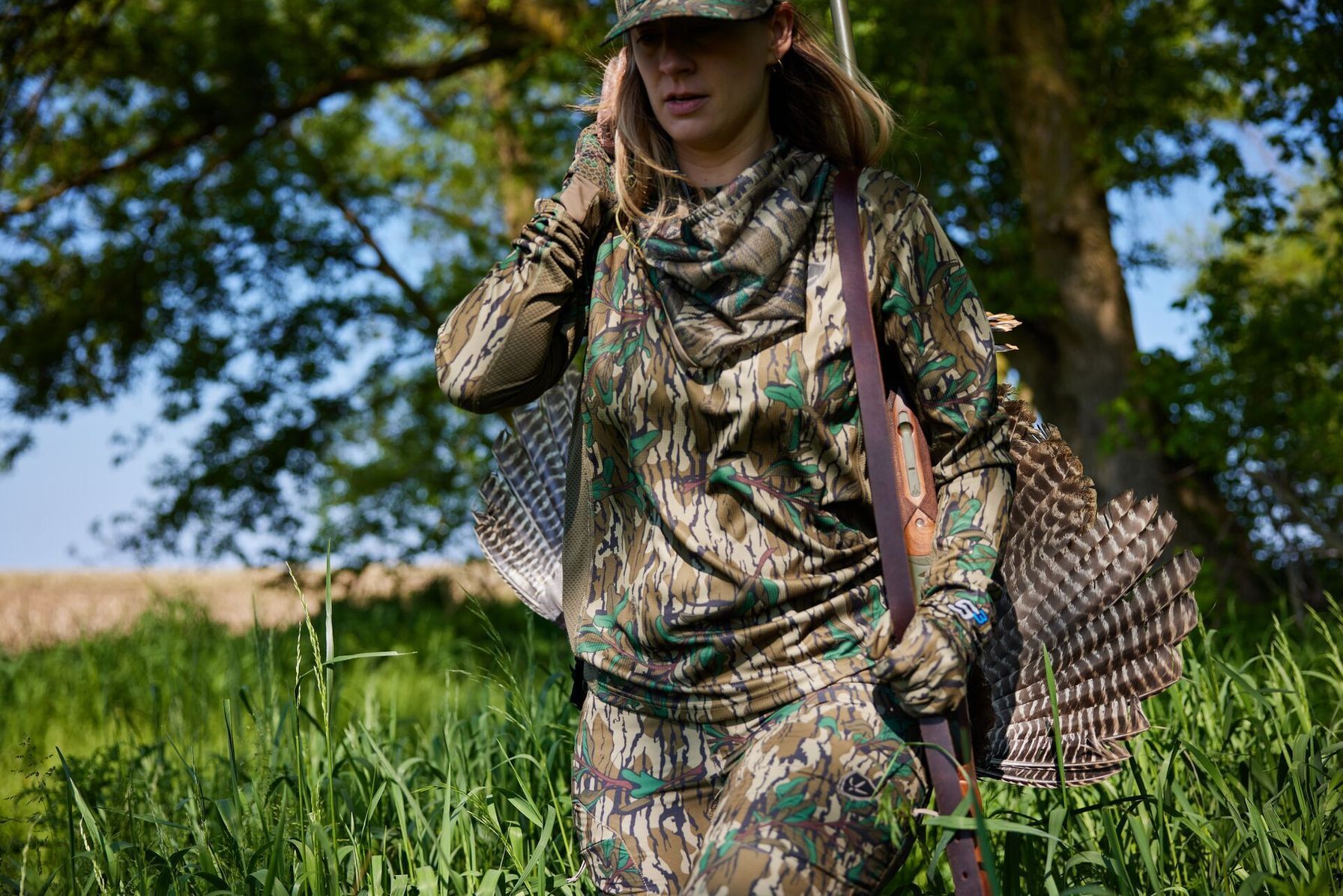
Whether your spring turkey season started in April or May, it is the prime time to hunt these birds. You probably should have already been out there scouting for turkeys and land to hunt. However, it's not too late to get out there and look for where the turkeys in your hunt areas roost.
A roost is a spot where turkeys fly up into a tree before sunset and down after sunrise. Knowing this location and where the birds spend most of their day will greatly increase your chances of having a successful season.
To locate a roost, you can start with the HuntWise app and use various map layers (like LiDAR) to see if you can spot potential bedding and roosting areas. Then, you'll need to venture out onto some land where you can hunt. Listen for any gobbles and try your locator call, which tends to work best before sunset and sunrise. A good owl hoot or crow call will generally get a tom's response with a gobble.
Once I hear a gobble, I like to drop a pin on the map in the HuntWise app at its rough location.
How to Hunt Turkey in the Spring
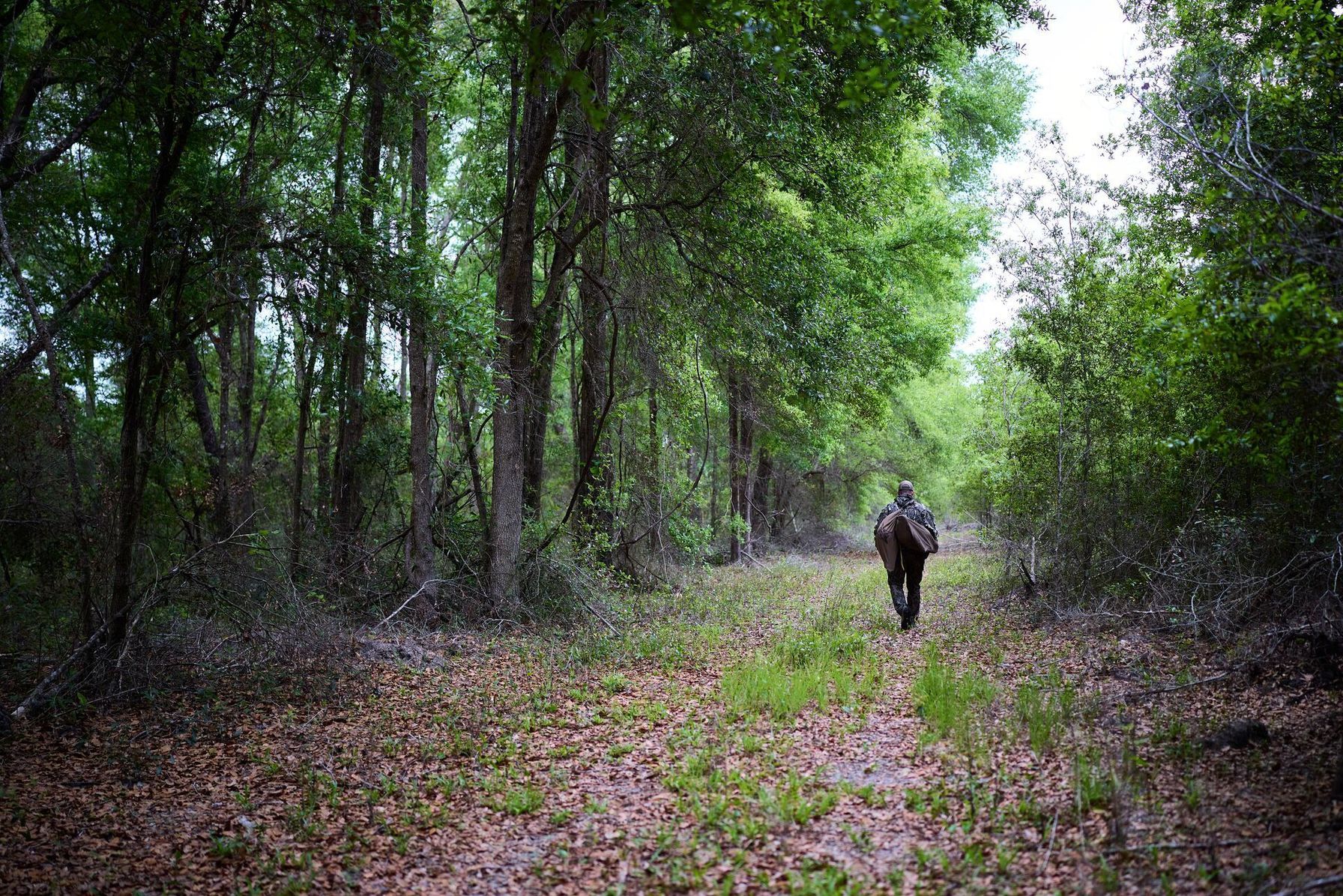
Spring turkey hunting for beginners or experienced hunters includes some important steps for success. You've scouted. Now it's time to choose your weapon, make sure you're in shape for trekking in the woods, and start hunting.
Step 1: Choose Your Weapon
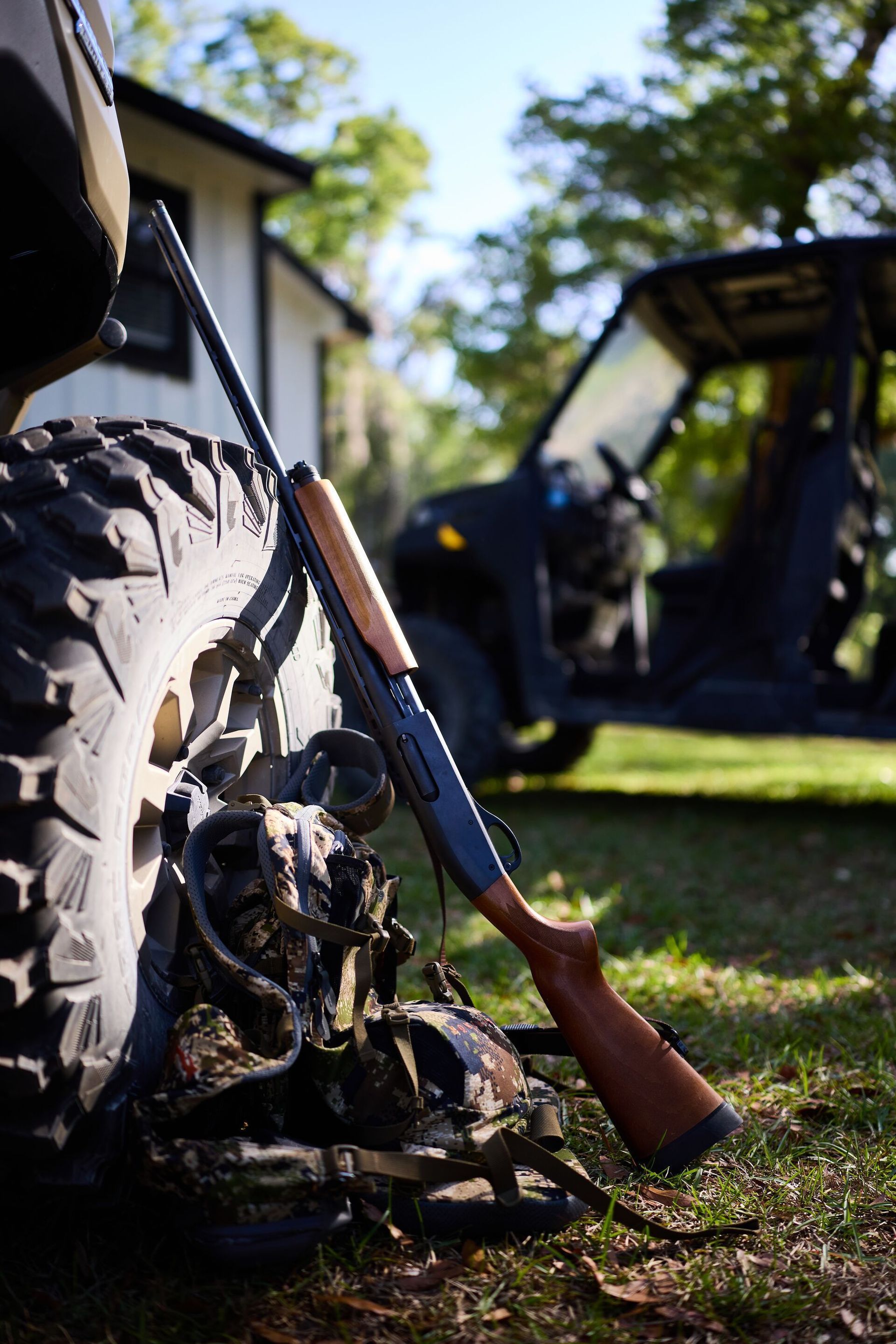
Most turkey hunters tend to use a shotgun as their weapon of choice, but archery hunting has gained popularity in recent years.
If you plan on using the guillotine broadheads, then I would recommend you practice with them first. In most cases, these points weigh more and sometimes require you to adjust your sights and even retune your bow.
However, if you plan on using normal broadheads, you should still get those reps.
Step 2: Make Sure You're In Shape
What else should you be doing in May? Being in shape is vital when it comes to any outdoor activity, especially turkey hunting. I tend to stay active year-round, even in the winter months.
Turkey hunting is known as a "run and gun" sport. You're likely to hear a bird gobble a quarter of a mile away; by the time you make it there, you've found that he has gone silent. Out of frustration, you hit your turkey call again, only to hear one fire up half a mile away and in the opposite direction.
Being in good physical shape and having good stamina is vital for situations like that. Staying active year-round will also prepare you for those big game hunts that usually take place in the fall months.
To maintain good physical shape, I like to:
- Prepare food plots
- Scout for turkeys or big game
- Shed antler hunt
- Go fishing
- Go mushroom hunting
- Work on habitat management
- Cut firewood
- Hike
Realistically, if you're not already in pretty good shape before May and your turkey hunt arrives, it's too late to get in shape for a spring turkey hunt. However, use your turkey hunt as motivation to be in shape for fall hunts (and next spring when it's turkey season again).
Step 3: Scout for Deer Sign
Turkey hunting is a great time to scout for past fall/winter whitetail sign. You are able to observe all of the previous seasons' sign while pursuing birds.
Watch out for old scrapes, rubs, beds, trails, fall/winter food sources, and even shed antlers. Keep all of these locations in mind when deciding where to place trail cameras for the next season.
Drop pins on the best sign found in your HuntWise app. Potential tree stand placement is also a great thing to keep in mind. Use HuntWise to drop pins accordingly.
Step 4: Clean and Inspect Your Gear
Inspecting and cleaning your equipment is always a great idea to do before and after any season. May is an excellent time to check your gear for fall hunts.
This can include inspecting bows, firearms, optics and sights, calls, camo, packs, boots, and more. There is nothing worse than not having your ducks in a row a few days before the season opens.
It's also a great time to test out the latest and greatest gear. Maybe you've been eyeing that new call, decoy, hunting blind, turkey vest, or shotgun. Buy what you want or need, and give yourself plenty of time to get familiar with any new purchases.
Put Turkey Season Behind You (and Look Forward to Fall)
Don't forget to prepare for the next season once you hang up after spring turkey season. Always clean and inspect your equipment. How you store your gear is also very important.
I remember when I used to throw my camo into a trash bag only to find that the mice had destroyed a good portion of it the next season. Don't do that!
Step 5: Enjoy the Outdoors
The most important thing to me is getting out and enjoying the world that God created and making memories with friends and family. Reconnecting with nature and decompressing from the hustle and bustle is what keeps me coming back to it every season.
Whether you're done with turkey hunts for the season or you still hope to bag a bird, nothing compares to watching the sunrise from a vantage point and seeing and hearing the forest come to life. From the birds chirping, squirrels barking, chipmunks rustling the leaves, and that loud tom gobbling on his roost — it is something that everyone should experience at least once at this time of year.
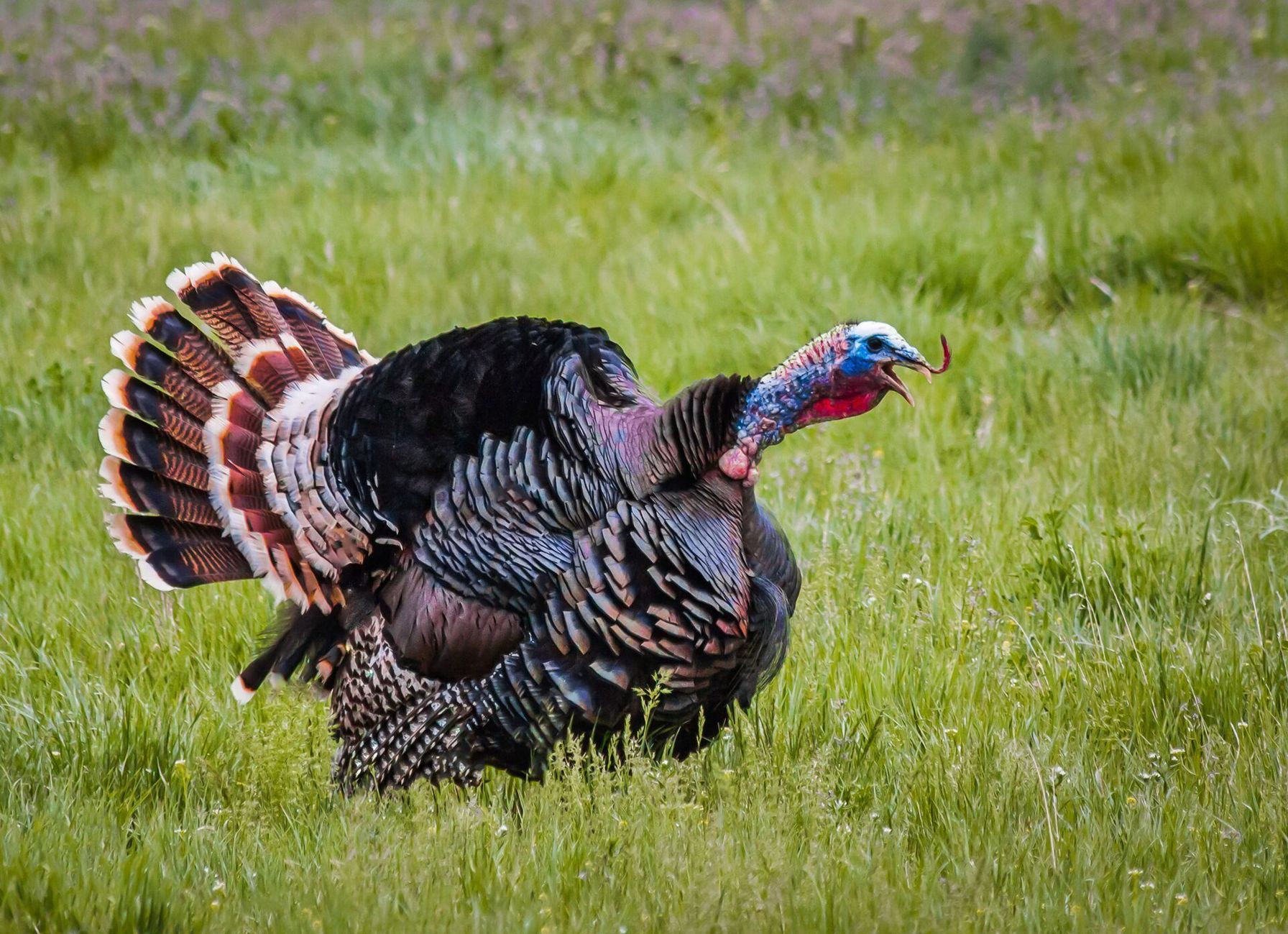
Turkeys Are Very Vocal in the Spring
Turkeys are very vocal, especially during the spring, which is their breeding season. With this in mind, you'll want to utilize a turkey call and, for the most part, perfect it.
Whether this is your first season attempting to bag a spring tom or you're a few seasons in calling, it can make or break your season. There are many different types of calls, but your most common ones would be a box call, slate call, diaphragm (mouth call), or gobble call.
Tips for Spring Turkey Hunting for Beginners
If May is your first turkey hunt, keep it simple and have fun. Use the tips we already shared, but simplify your calls to get started.
Start With the Easiest Call
The easiest turkey call for beginner turkey hunters would have to be the gobble call. These calls require little to no skill, primarily because you just hold the call and give it a good shake.
The gobble call is intended to replicate the sound that a mature tom makes when trying to locate a hen.
Box, slate, and diaphragm calls are used to replicate a hen. Though there are many sounds a hen turkey makes, a beginner needs to focus on perfecting what is known as a yelp, purr, and put.
Box calls would have to be the easiest of the hen calls to get the hang of, especially the push/pull box calls.
Then Try More Calls
Second on the list of calls to try as you learn how and when to use them would be a slate call. Lastly, the diaphragm call would be considered the hardest to master.
There are also calls known as locator calls; these consist of crow and owl calls. Both the crow call and owl hoot are excellent and relatively easy to learn and perfect.
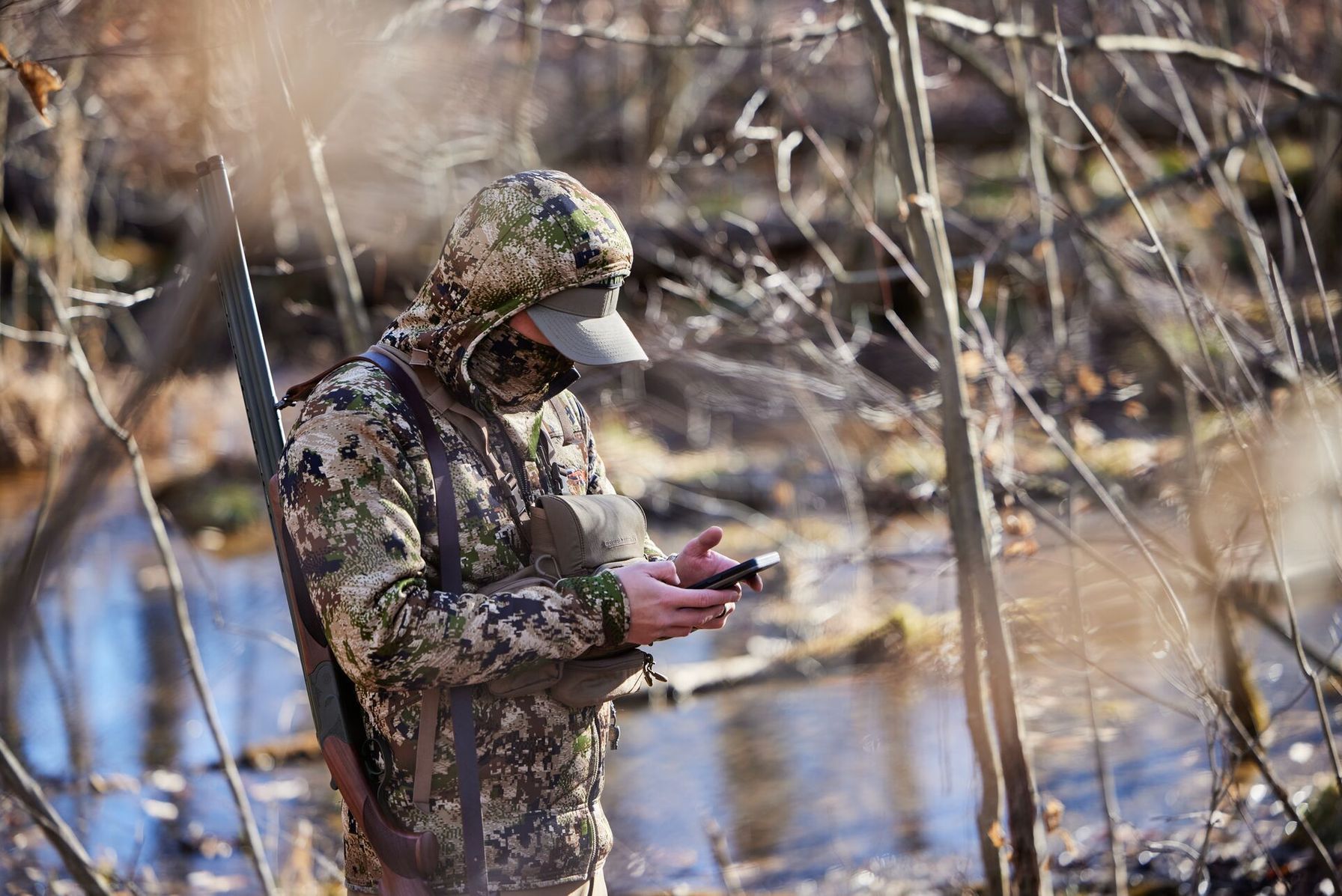
HuntWise Helps You Be a (Better) Hunter Year-Round
There are still a lot of turkeys left to hunt in May, but it's also the right time to start thinking about the fall. Use these tips to get your gobblers, scout for deer season, and get a handle on your gear for fall hunts.
At the very least, just get outside and enjoy it! Use HuntWise map layers to explore public land, check boundary lines, mark deer sign, and scout for the best place to put your stand for fall hunts.
If you don't have HuntWise yet, now is an excellent time to download and try it free for your first week! Try an Elite subscription for access to more features, better discounts on gear, and access to FieldGuide**+** for exclusive videos from hunting experts.
Content most recently reviewed and updated April 29, 2026.
Frequently Asked Questions (FAQs)
Q: Is spring turkey hunting hard?
A: Spring turkey hunting is moderately challenging but more forgiving than other seasons since gobblers are vocal and actively seeking hens. Patience, basic calling skills, and pre-season scouting go a long way for new hunters.
Q: How to turkey hunt in the spring for beginners?
A: Scout for turkey before the spring season by looking for tracks, droppings, and scratch marks. Then set up near roosting areas before dawn with a simple box or slate call. Use soft hen yelps and clucks to draw in a gobbler, stay still, and be ready to shoot.
Q: How to attract turkeys in the spring?
A: Hen calls — yelps, clucks, and purrs — are your best tool for pulling in a lovesick gobbler during breeding season. Adding a hen or jake decoy in a visible open area gives birds a strong visual target to commit to.
Q: How to locate turkeys in spring?
A: To locate turkeys in the spring, listen for gobbling at first light or use owl and crow locator calls to shock a tom into revealing his position. Scouting field edges, ridge tops, and creek bottoms for tracks, feathers, and strut marks will also help you pattern birds.
Q: How far will turkeys travel in the spring?
A: Spring turkeys typically cover 1–2 miles per day within a core home range of a few hundred acres. A fired-up gobbler chasing hens can move more unpredictably, so staying mobile throughout the morning can help you relocate birds.

Available in the HuntWise app now — for Elite subscribers!
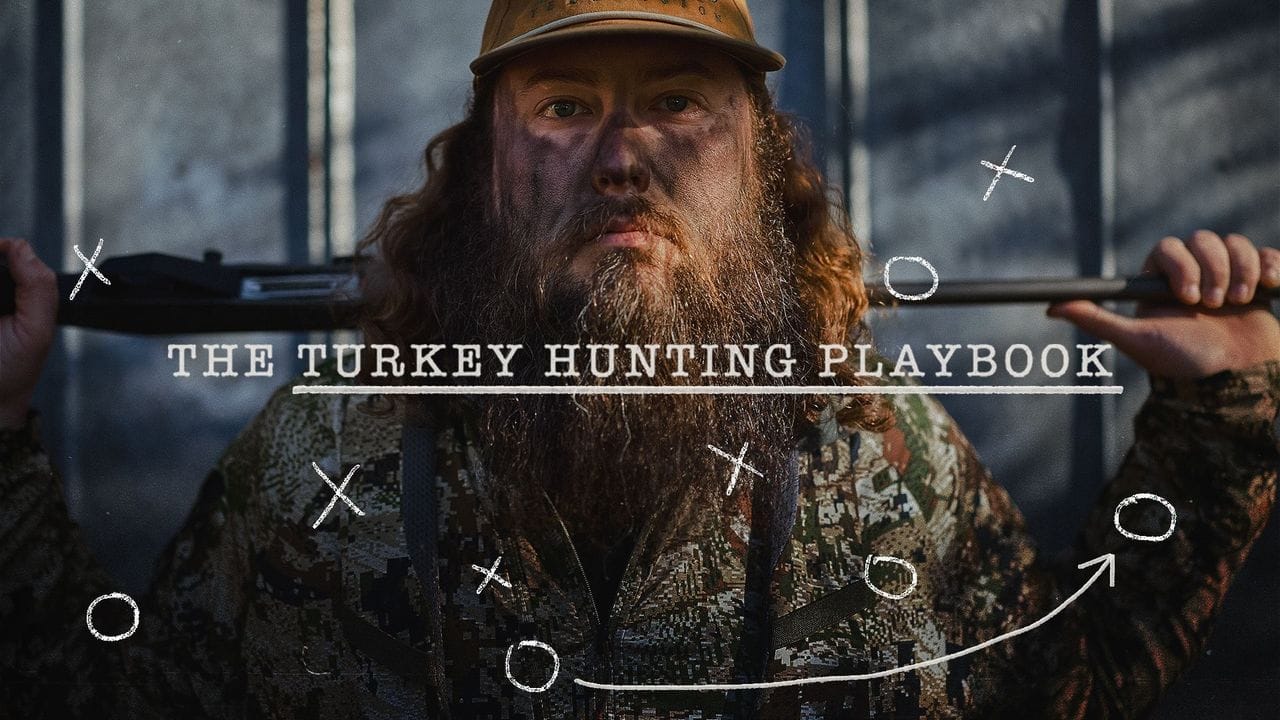
It's time for The Turkey Hunting Playbook.
In this video series, HuntWise FieldGuide**+** and Ben Cole of RootedTV team up to deliver exclusive insights into scouting and finding turkeys, gaining access to land, getting your gear and shotgun ready for a hunt, and applying the right strategies to lure a bird into your sights, take your best shot, and bring home a bird.
Don't miss this series! Upgrade to Elite and watch today.