

Focusing on clover deer food plots is an easy way to launch your overall deer-feeding strategy. It's cheap and fairly drought-resistant, and clover can even grow in mild winters. Let's explore clover's benefits, varieties, preparation strategies, and everything you need to make it a cornerstone of your food plot.
| In This Guide: |
How to Plant Clover the Right Way
When it comes to planting clover, it's all about the seed-to-soil contact. Follow these tips for the best results.
Step 1: Know Your Seeding Depth
Clover seeds are tiny and require only shallow sowing for optimal growth. Aim for a depth of less than 0.25 inches.
Clover seeds need oxygen to germinate. A deep burial will keep them from growing.
Step 2: Spread the Seed
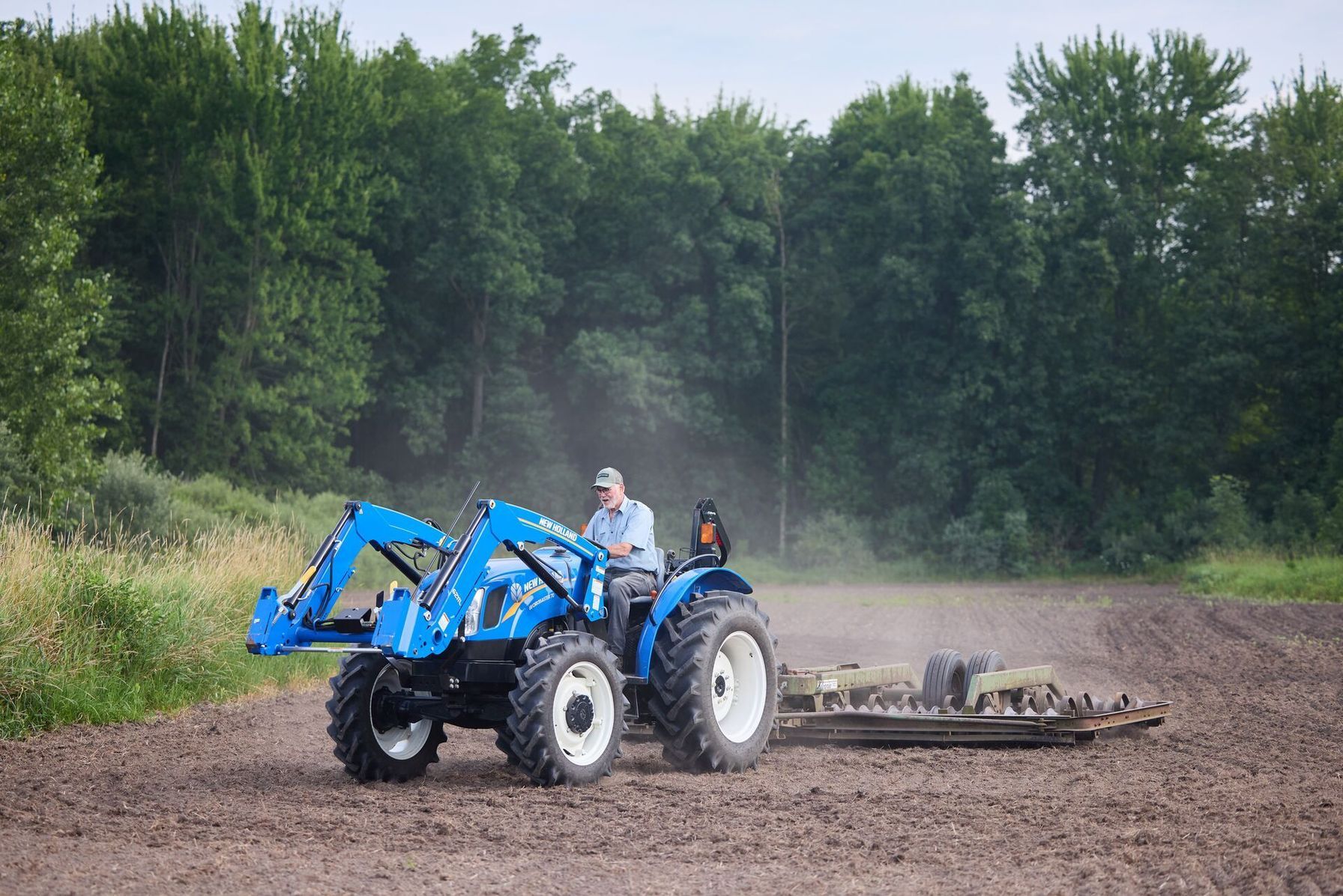
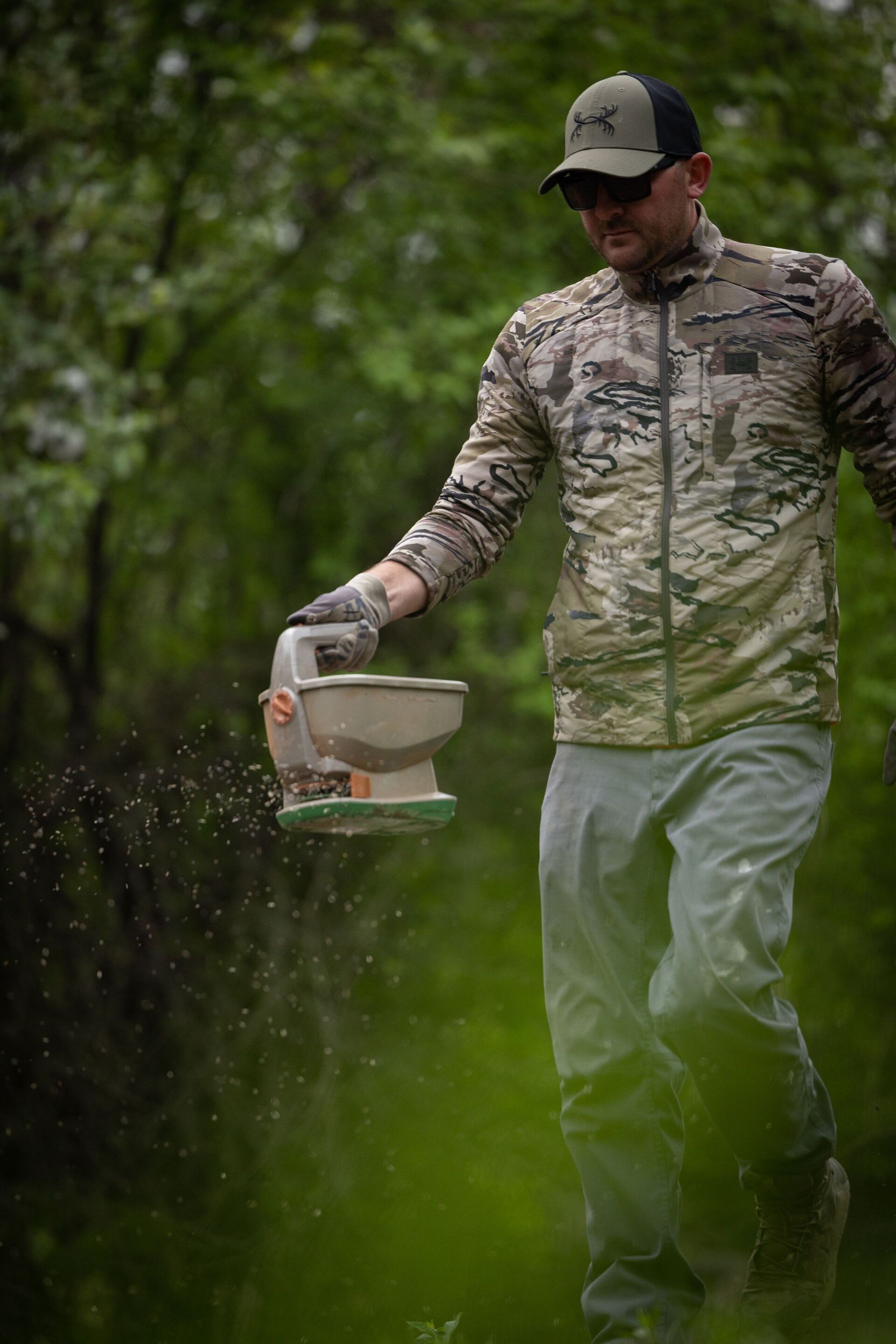
To achieve optimal clover growth, broadcast seeds by hand evenly or with a spreader, depending on your plot size. Then, roll the ground with a cultipacker or roller to press the seed into the soil, ensuring firm contact and minimal moisture loss.
Step 3: Know When to Plant Clover
Spring and early summer are typically the best times to plant. However, some clover types may thrive in other seasons.
| When to Plan Clover Deer Food Plots: | |
|---|---|
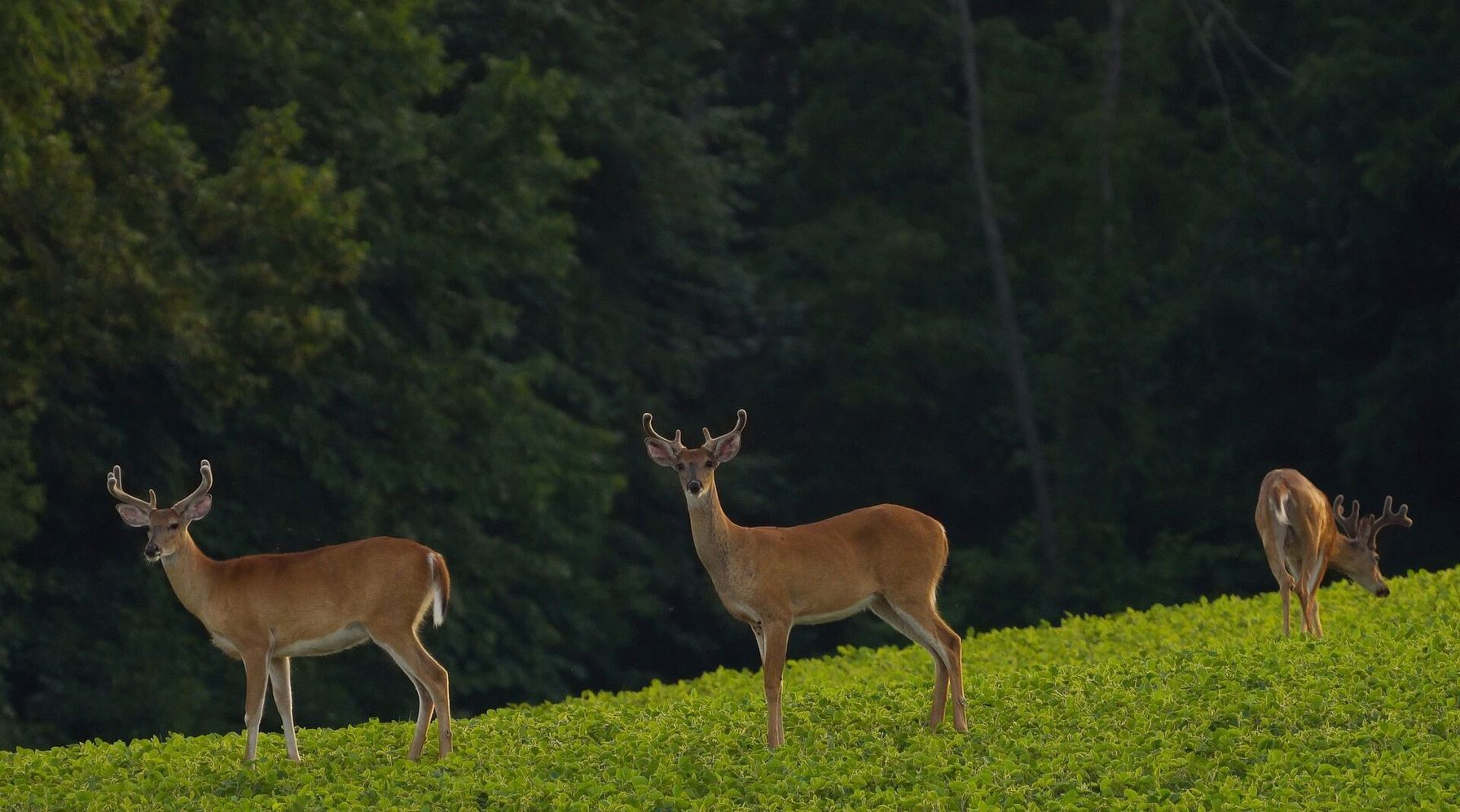
| Spring Planting | When planting in spring, start as early as possible to establish strong roots before summer. Planting in spring also leads to early-season germination and young, green forage that is irresistible to hungry bucks and does. Bucks have higher nutritional demands during the antler growth phase. |
| Fall Planting | Aim for late August to early September to give your clover a full season to develop before winter. Fall planting provides your crop with consistent seasonal rainfall. |
| Frost Seeding (Advanced Tip) | Frost seeding clover requires broadcasting over snow and ice in late winter. Frost seeding uses the natural freeze-thaw cycle to work the seed into the soil, allowing it to germinate once conditions are ripe. For this strategy, consider White Dutch clover. |
Site Preparation: Setting the Foundation
Site preparation is where planning and testing ensure longevity, strong growth, and, perhaps most importantly, that deer are attracted to your clover deer food plots. Choosing the wrong site can lead to wasted effort (and money).
To begin, choose a site with at least 4–6 hours of daily sunlight. Then, focus on areas with good drainage. You can head out for a visual inspection, especially after rainfall, to check for water pooling.
Next, jump on HuntWise to use the mapping feature; you'll be able to access LiDAR capabilities that uncover slight ridges for runoff, helping you pick the perfect site. Scout nearby for bedding locations, water sources, and game trails, and consider using trail cameras to plan food plot locations based on deer activity and movement. If you're going to be shooting over the plot, consider your access points, pinch points, and potential hunting stand locations.
4 Steps for Clover Planting Preparation
To make the most of your clover, consider seedbed preparation, weed control, and soil health. Follow these steps to make the most of your plot before you start planting.
| How to Prepare Food Plot Soil for Clover: |
|
Don't forget to keep an eye on weed growth and monitor for symptoms of clover disease as your crop grows.
What Are the Benefits of Clover Deer Food Plots?
Clover offers multi-year forage—sometimes year-round, depending on location and conditions. It's a high-yielding crop, with some varieties producing 5,000–6,000 pounds per acre. Compared with other crops, it won't break the bank as you get started on your plot.
The seeds are small, and one bag will go a long way. Considering its multi-year growth, clover is one of the best investments you can make for your plot.
Clover grows well with other forages, especially chicory, oats, wheat, and corn. It can act as a natural attractant while serving as a barrier to protect other crops, which are more exposed to browsing pressure as they get established.
Part of the reason clover works well with other plants is nitrogen fixation; it sucks nitrogen out of the atmosphere. Nitrogen fixation improves soil health, supports stronger growth of other plants, and helps reduce fertilizer costs.
Choosing the Best Clover Varieties
Clover species are varied, with different types suited to certain seasons, climates, and soil conditions. Growth timing, drought tolerance, and deer preferences all play a role in choosing the right clover for your plot.
Top Options for Hunters
Focus on perennial clover for deer, which will work as a base for additional crops. When planting clover, it's often best to cultivate a mixture to ensure stronger coverage. With a clover mix, different types can balance deficiencies caused by varying growing conditions.
Ladino (White) Clover
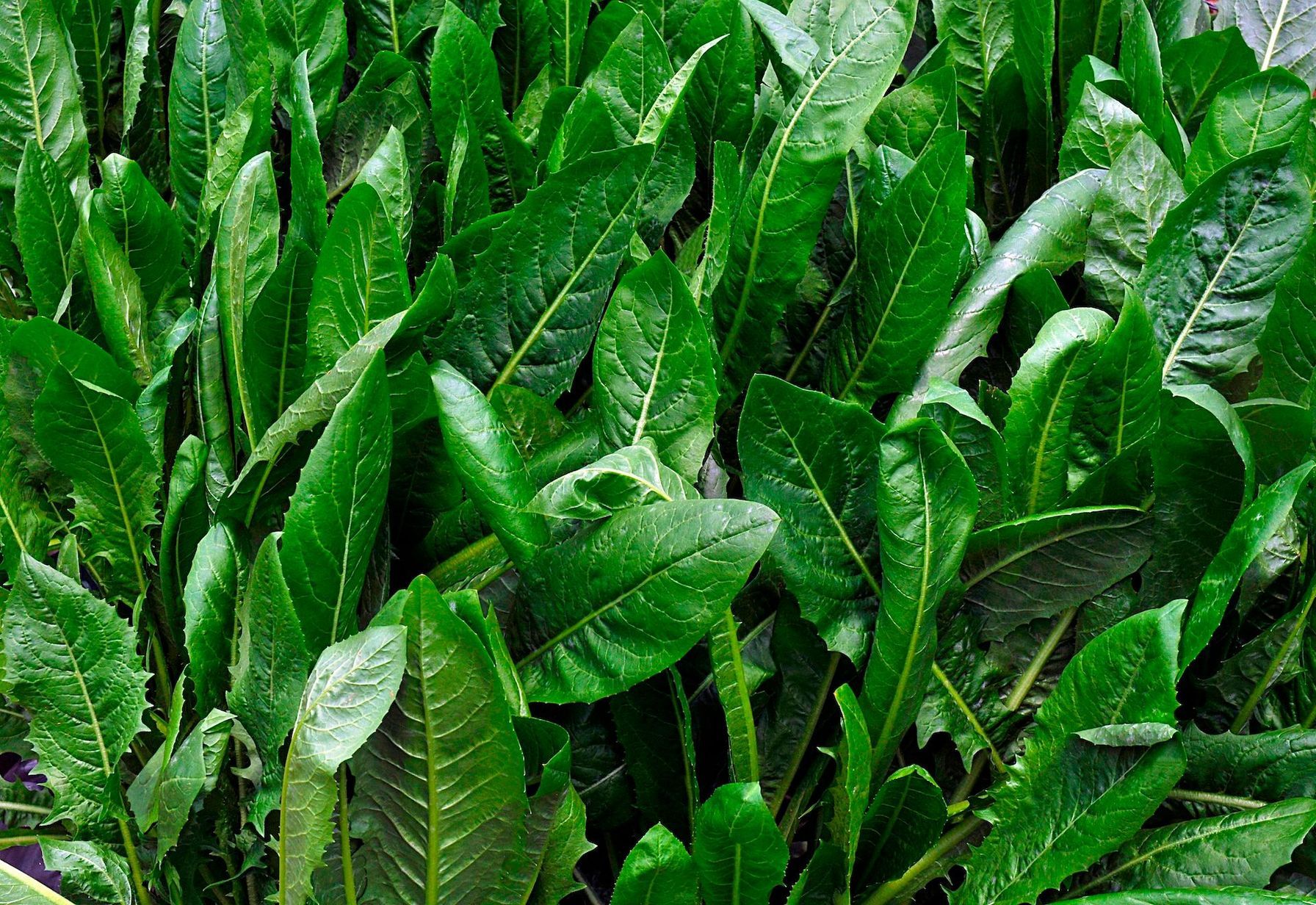
Ladino (white) clover works like magic as a deer attractant. It's a strong option for year-round perennial growth with high protein content and yield, making it one of the most popular choices for clover deer food plots.
With a soil pH in the magic range of 6.5–7, white clover will grow across a range of soil types and is highly resistant to browsing pressure. It requires fairly low management.
Red Clover
Red clover is a hardy biennial/short-lived perennial option that favors mildly acidic and neutral soils with a pH of 5.5–6.5, slightly lower than white clover. It germinates fast and seems to shoot up in cool spring conditions. Though it may have a shorter lifespan of around two years compared to white clover, you can push it to three or more years with careful management.
Red clover is a great choice for late-season protein when other forage options are unavailable.
White Dutch Clover
White Dutch is another perennial clover for deer that provides affordable, attractive forage in smaller food plots. It's also resilient, unless your pH is too low. White Dutch is low-growing and spreads well; it can handle heavy grazing pressure and stays green during periods of low rainfall and drought-like conditions.
Alsike Clover
Alsike clover is more tolerant of wetter, acidic soils, making it a strong option for plots with poor drainage or in lower sections. This variety prefers soil with a pH below 6, and it can tolerate as low as 5.
Maintenance Tips for Long-Term Success
Clover is a low-maintenance crop, but it requires work. With the right maintenance, clover can last for several years.
- Mowing your clover helps control weeds and can stimulate regrowth, but avoid overmowing.
- A follow-up soil test can help you monitor your soil health.
- If the plot requires a touch-up, overseed periodically to maintain density.
Consider mixing your clover with chicory to improve drought resistance and attract more deer.
Weed Control Strategies
When establishing new clover, eliminate existing weeds with glyphosate or clover-specific herbicides. Developing and maintaining a thick clover stand will also naturally help suppress weed growth. Clover roots shoot and spread horizontally, taking up more space and reducing weeds. When weeds begin to seed, mow them down to manage growth and promote re-seeding.
Expected Results
If you follow the tips above, then by the second season, you'll enjoy a beautifully established clover plot. Expect one that yields 5,000–6,000 pounds of forage per acre, attracts deer year-round, and provides a stable supplement for several seasons.
How to Avoid Common Clover Deer Food Plot Mistakes
Despite all of the proper planning and prep, mistakes can keep your food plot from growing and attracting the deer you hope to see.
| To avoid common problems with clover deer food plots: |
|
Focus on building a robust, well-spread crop to suppress weed growth before it starts.
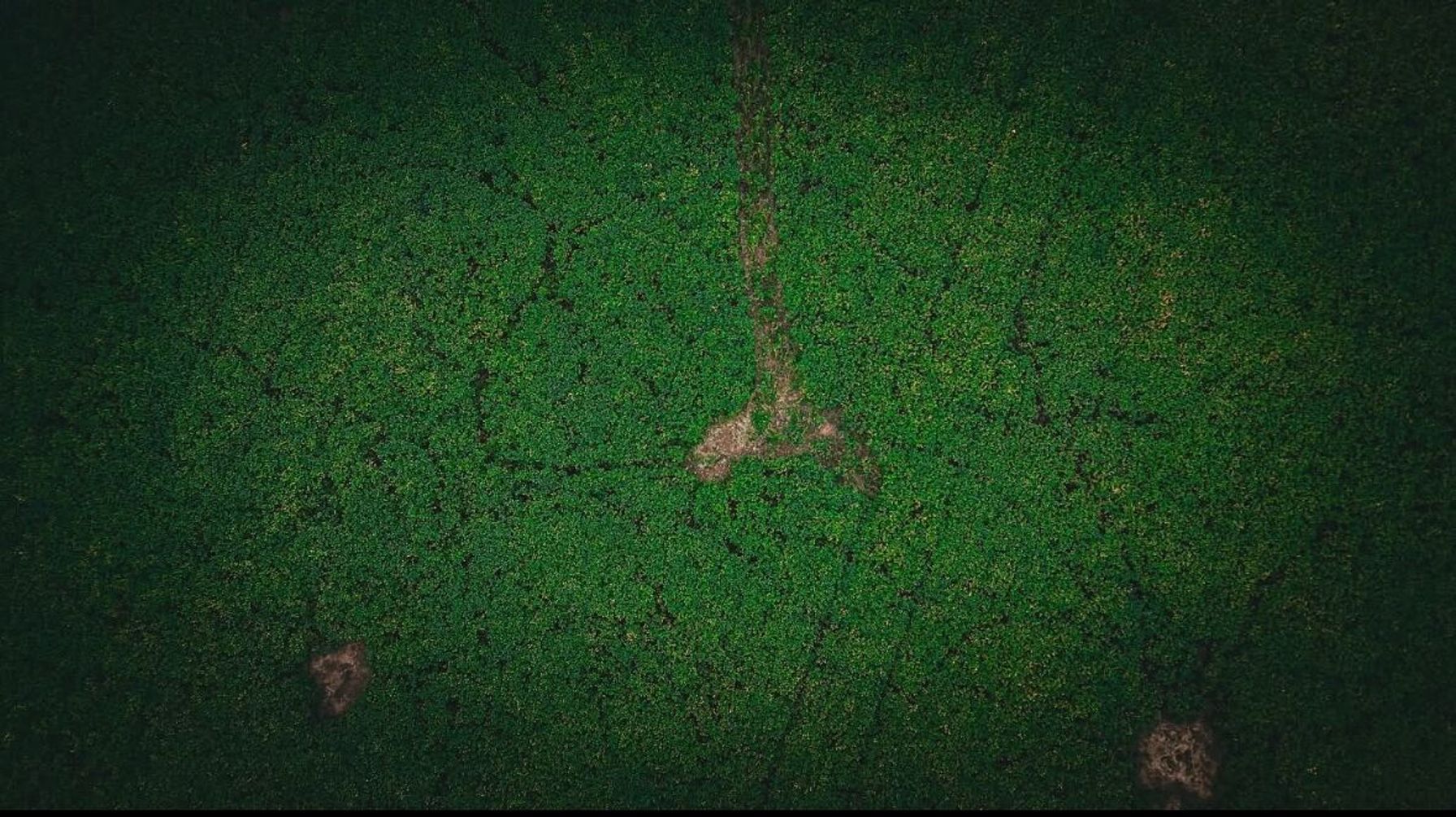
Use HuntWise to Place and Plan Clover Food Plots for Deer This Season
Clover is one of the best food plot crops due to its reliability, efficiency, attractant quality, and ease of management. If you're thinking of how to get started with a food plot or how to improve your plot over last season, clover is the way to go.
With HuntWise, you can scout, assess, and examine the best locations for your food plots, then keep an eye on them as the crop develops. Through planning, clever cultivation, and maintenance, you'll establish a consistent crop that provides seasons of high-quality forage and ongoing deer activity.
If you don't have HuntWise, download it and use the app free for 7 days to scout and plan your food plot!
Frequently Asked Questions About Clover Deer Food Plots (FAQs)
Q: Is clover a good food plot for deer?
A: Clover is one of the best food plot options for deer, offering high protein content (often between 20–30%), which supports antler growth, body development, and reproduction. It is highly palatable to deer, meaning they will seek it out and return to it regularly throughout the seasons. Clover is also relatively affordable and easy to establish, making it a popular choice for hunters and wildlife managers alike.
Q: What is the downside of planting clover?
A: Clover requires regular maintenance, including mowing, fertilizing, and liming to keep soil pH in the proper range, typically between 6.0 and 7.0. It can struggle during hot, dry summers and may thin out or die back without adequate moisture. Clover plots also need to be reseeded periodically, as stands tend to weaken after three to five years.
Q: How many pounds of clover does it take to cover 1 acre?
A: The seeding rate for clover varies by variety, but most recommendations call for roughly 4–8 pounds of pure live seed per acre when planted alone. When mixed with other species such as chicory or grasses, you can use a lower rate of around 2–4 pounds per acre. Always check the specific seeding rate on the seed bag, as different clover varieties can vary in seed size and recommended density.
Q: How long will deer eat clover?
A: Deer will graze on clover for much of the year, from early spring through late fall, as long as the plants remain green and actively growing. In milder climates, clover can stay green well into winter, extending its attractiveness to deer even further. A well-maintained clover plot can remain productive and continue drawing deer for three to five years or more before needing renovation.
Q: What time of year do you plant clover for deer?
A: Clover is most commonly planted in early spring or late summer to early fall, depending on your region. A late summer planting, typically between late August and mid-September in most of the country, allows clover to establish before winter and emerge strong the following spring. Spring plantings work well, too. But competition from weeds can be more challenging, so good seedbed preparation is essential for success.


