Now is the time to think about what type of gun to take into the woods: spring is in the air, trees and grasses are starting to turn green, and turkey season is right around the corner. There are many options out there, which can make your decision harder. Here are some things to consider when choosing the right caliber for turkeys.
The Top Choice: 12-Gauge Shotgun
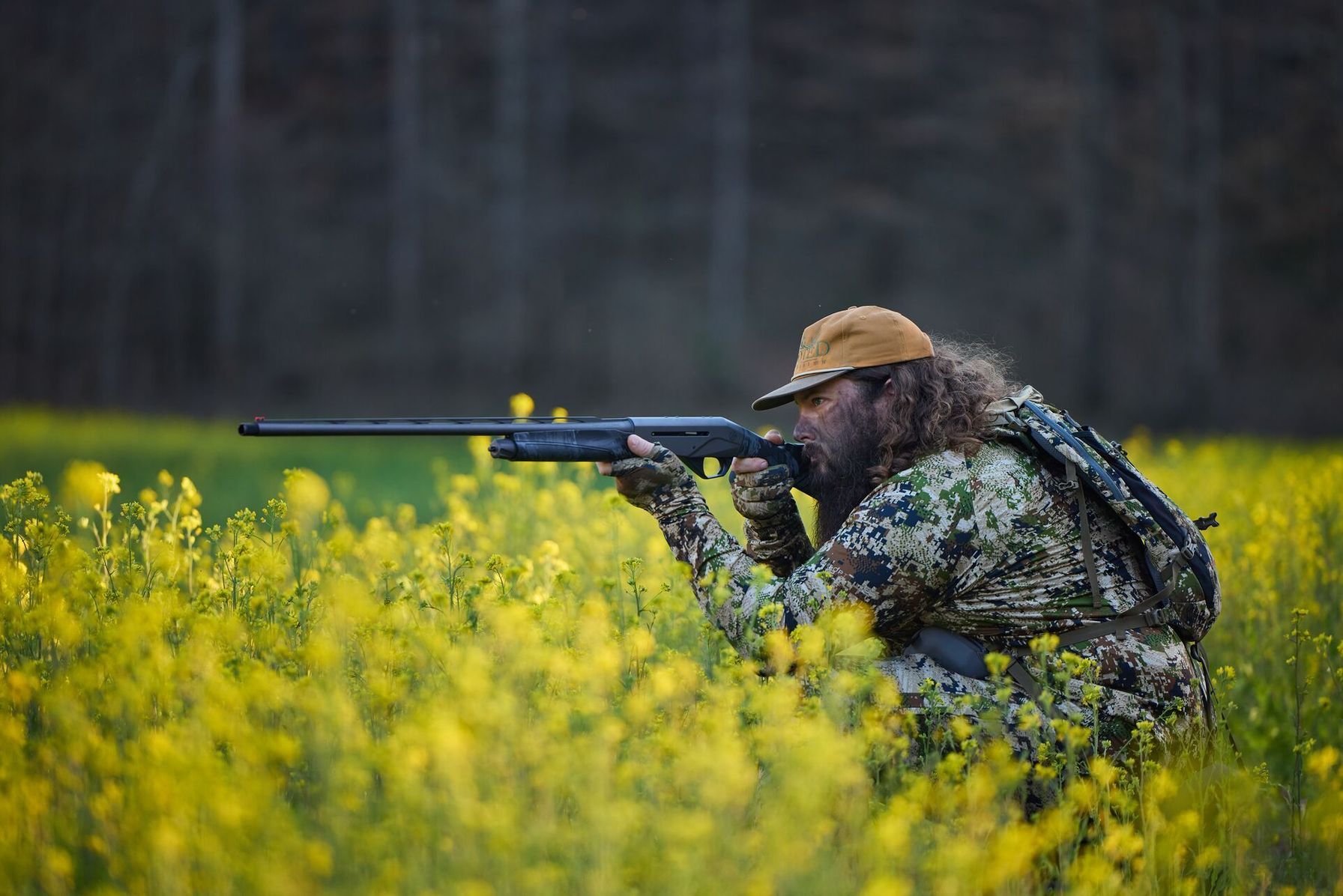
The 12-gauge shotgun is the most popular turkey hunting shotgun for good reason. It's widely available, versatile, and good for beginners as well as seasoned pros. With the 12-gauge, you can deliver dense shot patterns at ethical ranges, and with a greater margin of error, making it ideal for newer hunters.
Though the 12-gauge is a classic choice, it also works with modern ammunition, such as TSS (Tungsten Super Shot) turkey loads. You can also use the 12-gauge with common shotgun chokes, including full, extra-full, and specialized turkey chokes.
Smaller Gauge Options
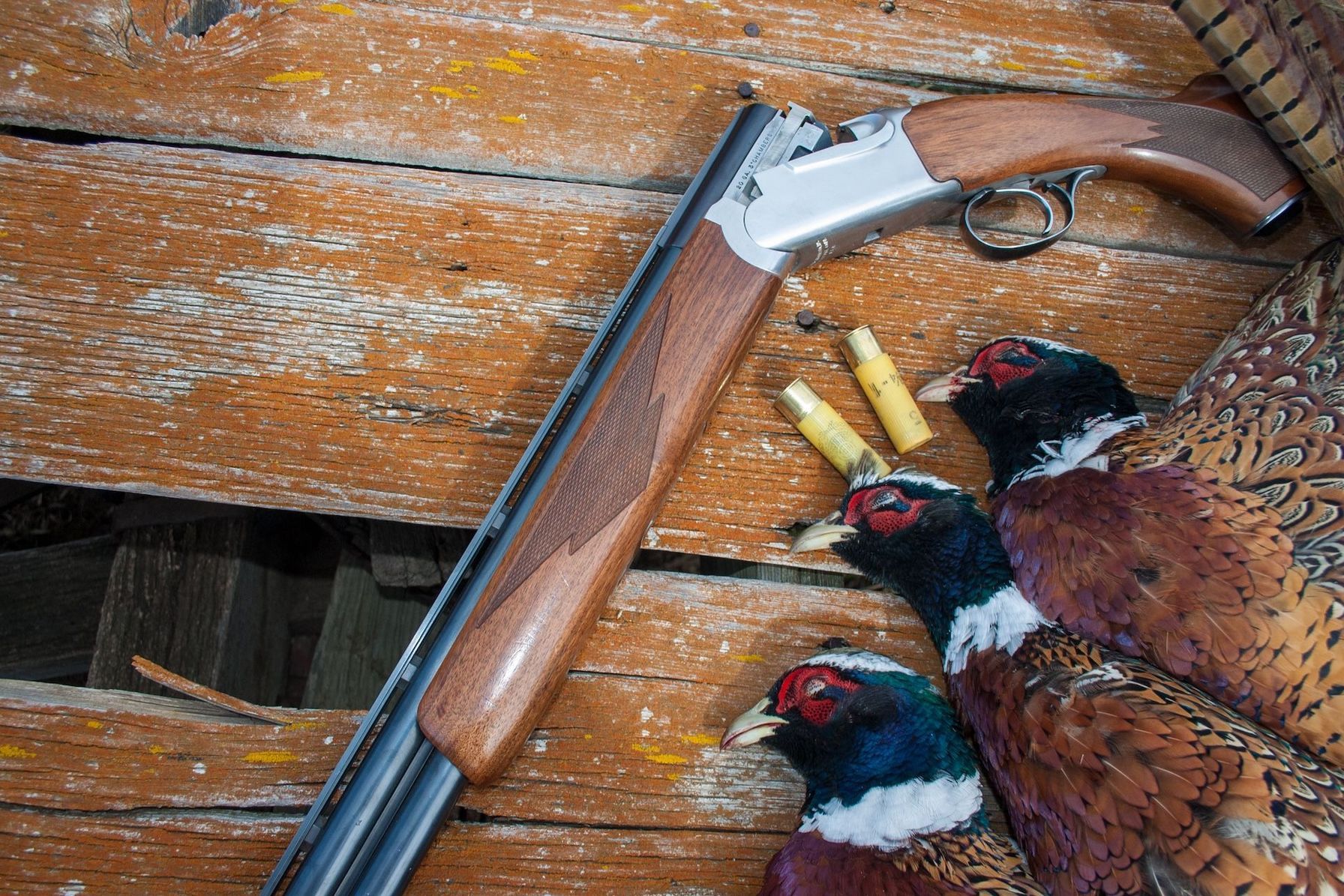
The 20-gauge is another solid choice, especially for young hunters or those who want a firearm with less recoil. If you're deciding between the 12 gauge vs 20 gauge, keep in mind that the 20-gauge is a portable, lightweight sub-gauge option and effective with proper loads and tight chokes.
The lightweight .410 gauge is also growing in popularity. Often thought of as a beginner or youth gun due to its very low recoil and generally low knockdown power, the .410 with modern TSS turkey loads is now an excellent choice for small-framed hunters and hunters who have to walk a long distance to get to their hunting spots.
While the 12-gauge, 20-gauge, and .410 are the most common, there are also turkey loads for other shotgun gauges—such as 10, 16, and 28 gauges—that can and will knock down a bird. The 28 and .410 gauges are making a mark in the turkey-hunting world because they use modern loads made from heavier, denser metals, such as tungsten, rather than lead.
Modern loads create tighter groups, greater energy transfer, and more knockdown power further downrange. However, these new loads have a higher price point than their lead predecessors: a box of five .410 shells can cost $40 or more, depending on the brand and manufacturer.
What About Rifle Calibers?
A few states allow the use of certain rifle calibers, but there are some things to consider before using them.
With rifle calibers, hunters need to achieve greater precision in shot placement with less room for error. Rifles can also cause over-penetration, misdirection of shots, and possible excessive damage to your bird. For these reasons, rifle hunting for turkeys is very rare, and most people don't even know that rifles are legal to use for turkey hunting in some states.
If your state allows the use of rifles for hunting turkeys, the most common and logical rounds to use are going to be smaller ones that can deliver enough precision and knockdown power without over-penetrating the animal. Consider rounds such as .22 magnum, .17HMR, or, with caution, a .223 Remington. Before you think about using a rifle, check your state regulations to see if it's legal to use one for hunting turkeys.
How to Choose the Right Caliber for Turkey Hunts
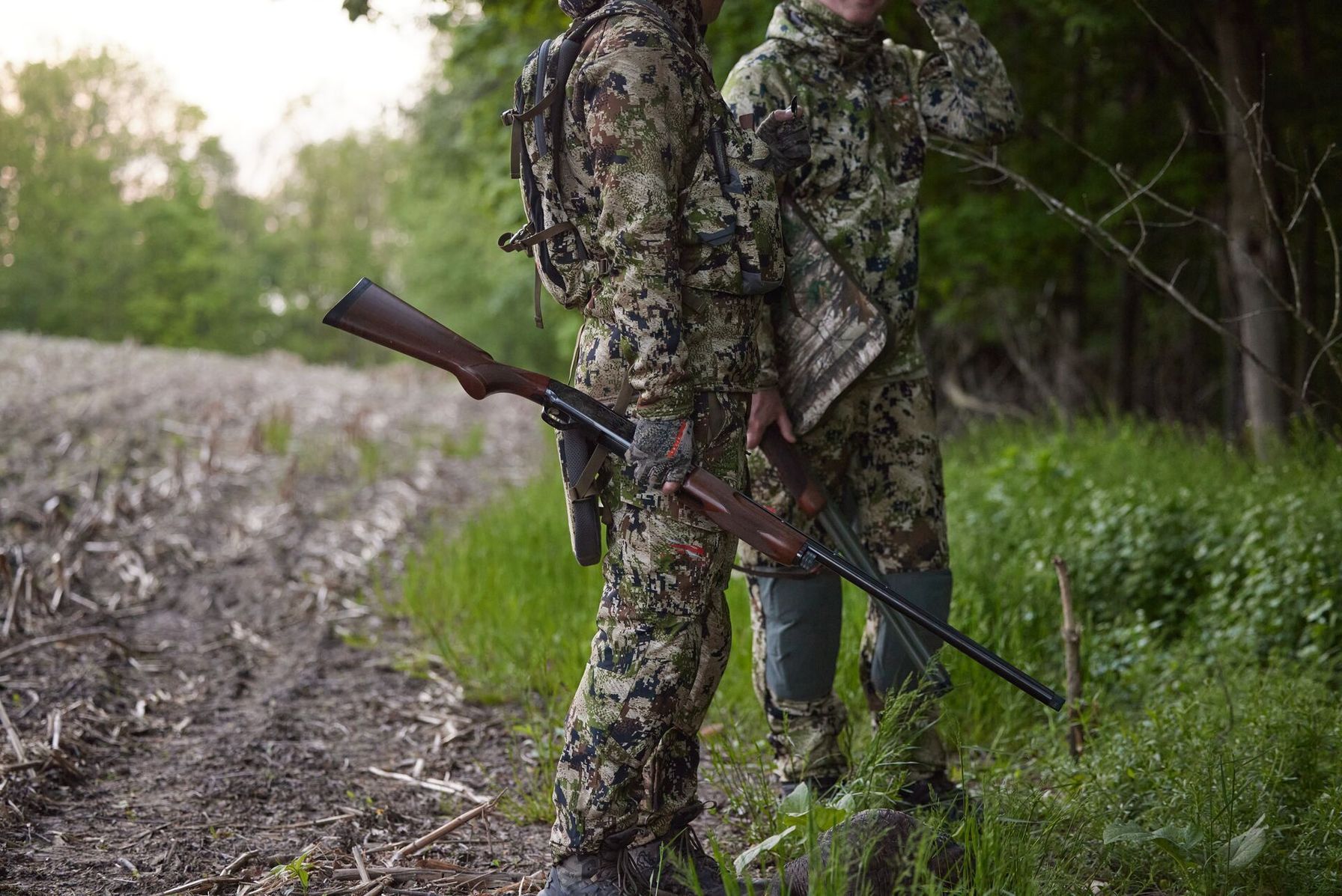
When choosing the right caliber for your turkey hunt, consider a few crucial variables: your experience level, your hunting environment, and your comfort level.
Again, the most common type of gun for hunting turkeys is a shotgun, and the 12-gauge and the 20-gauge are very widely used and have taken down lots of game. Their popularity is not going anywhere anytime soon.
Rounds for 12- and 20-gauge have the necessary knockdown power and range capabilities, and they're easier on the old pocketbook than newer tungsten rounds. If you want to use your 12- or 20-gauge along with new tungsten rounds, you can definitely find them.
Step 1: Consider Your Experience Level
If you're new to turkey hunting, simplicity and forgiveness should guide your choice.
A 20-gauge shotgun with a well-matched turkey load is often ideal. It's lighter, easier to handle, and produces less recoil, which helps you stay focused on fundamentals like aim and trigger control. Modern ammunition has made the 20-gauge far more capable than it used to be, so you're not giving up much in terms of effectiveness inside typical ranges.
More experienced hunters may lean toward a 12-gauge, especially when dialing in specific loads and choke combinations. With more time in the field, you'll likely be better at judging distance, controlling recoil, and patterning your shotgun for optimal performance. That extra power and pellet count can be useful, but only if you know how to manage it.
Step 2: Know Your Hunting Environment
Where you hunt plays a huge role in determining the right setup.
Consider your hunting environment and comfort levels when preparing for spring turkey season and determining your personal best caliber for turkey hunting. A lightweight firearm, such as the 20-gauge, may work best when navigating dense woods, whereas a 12-gauge could help you hit your target at an effective range when hunting in open fields.
Still, it's important to stay disciplined. Just because your setup can reach farther doesn't mean every long shot is a good one.
Step 3: Factor In Your Comfort Level
Comfort level is the factor many hunters underestimate. The "best" caliber on paper doesn't mean much if you're not comfortable shooting it. By this, I mean that heavy recoil can lead to flinching, poor shot placement, and missed opportunities.
A shotgun that fits you well, feels balanced in your hands, and allows you to shoot confidently will always outperform a more powerful option you struggle to control. Spend time practicing with your chosen setup before the season—pattern it, shoot it from realistic positions, and make sure it feels natural.
Don't Forget Your Choke
There are also many choke options to help create tighter groupings downrange.
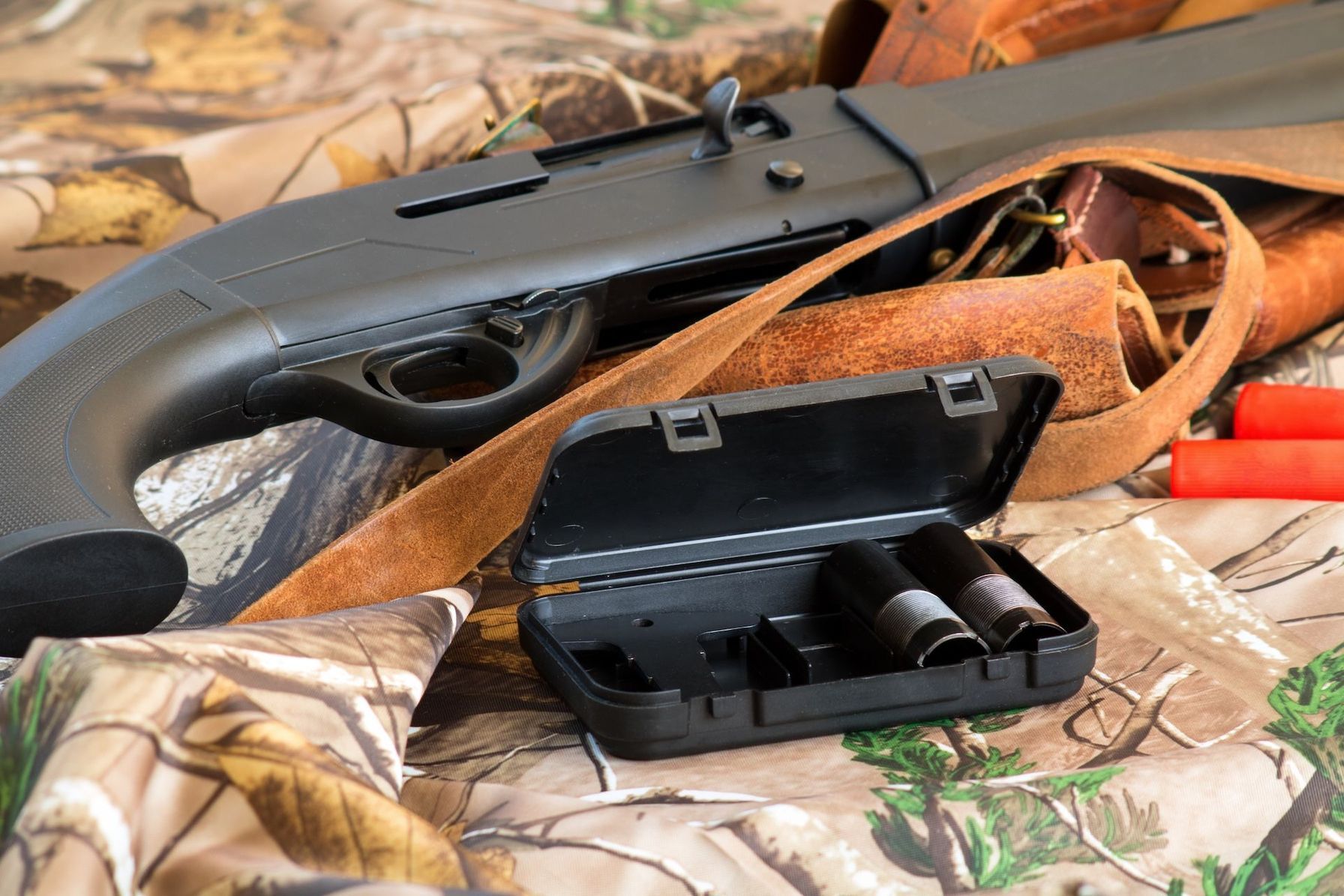
Full or extra-full are the most common choke types for turkey hunting, and a full choke may be ideal if you are planning to shoot only 20–40 yards. However, if you want to increase your range while ensuring tight patterning, you may want to consider modern tungsten rounds with an extra-full choke.
Choose Your Shotgun Caliber and HuntWise for Better Turkey Hunts
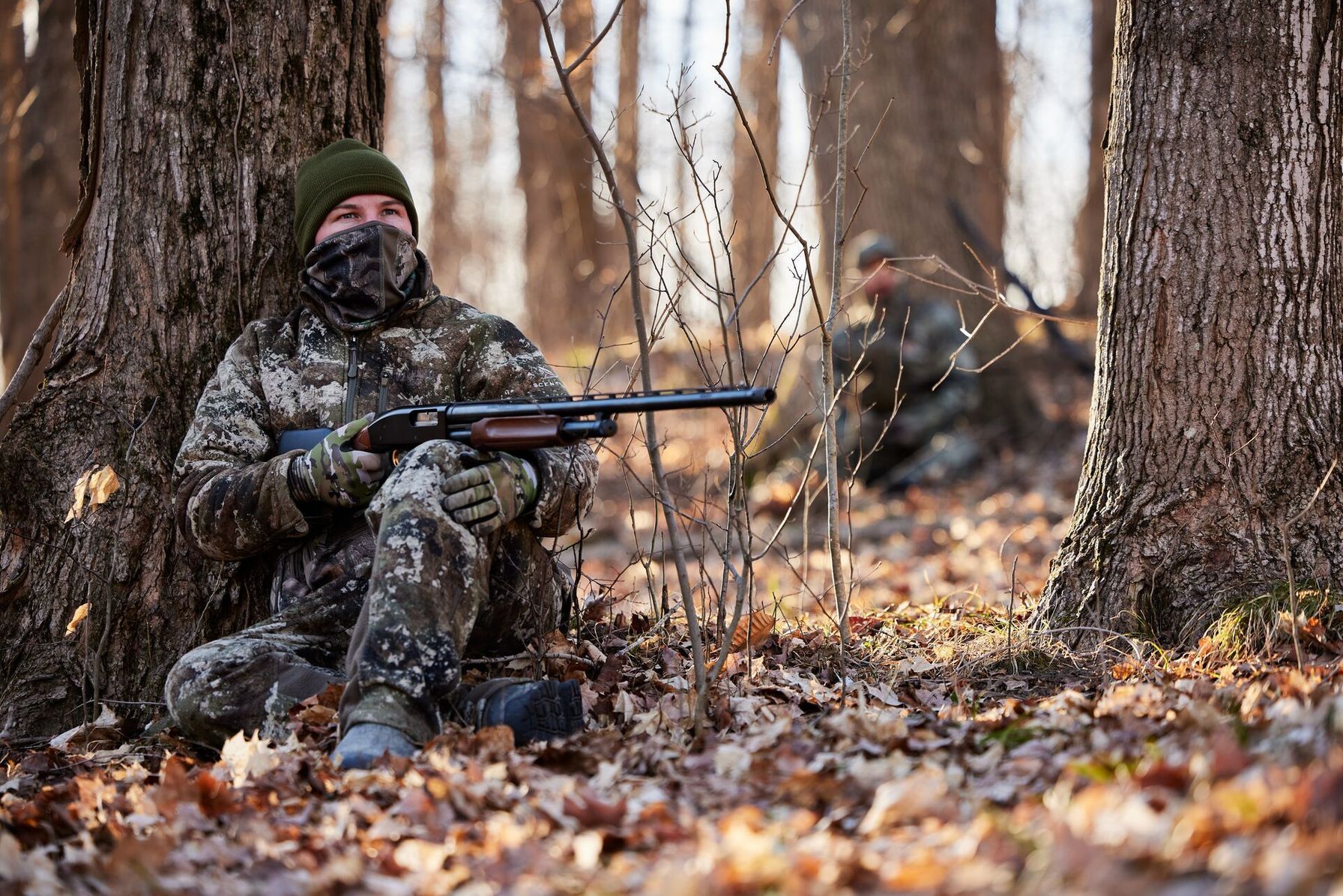
No matter what gun you decide to pick up and take to the woods with you (whether it is your old 12 gauge you've had for years or a new, smaller, lighter .410 with modern ammo), you still have lots of different options to choose from. The 12-gauge is the most effective overall, though the 20-gauge and .410 may work well for certain hunters. Your best caliber for turkey hunting will be one that's effective, safe, and legal.
As you explore caliber options and prepare for turkey season, include HuntWise in your plans. With HuntWise, you can scout for the best turkey hunting spots so you'll be ready to take aim with the right shotgun. Enjoy hunting those gobblers this spring!
Don't have HuntWise yet? Download it and try Pro and Elite features free for 7 days.
Frequently Asked Questions (FAQs)
We have answers to your questions about the best caliber for turkey hunting!
Q: What is the best caliber for turkey hunting?
A: Most turkey hunters use a 12-gauge shotgun for turkey hunting because it offers the best balance of power, range, and pellet count. A 20-gauge is also a great option, especially for smaller-framed hunters or those who prefer lighter recoil.
Q: Is a 4 or 5 shot better for turkey?
A: Many hunters prefer #5 shot for turkey because it provides a denser pattern while still delivering enough energy for clean kills. Though #4 shot has more power per pellet, it also has fewer pellets overall.
Q: What is the best shot for a 12-gauge turkey?
A: Hunters commonly recommend #5 or #6 shot for a 12-gauge when hunting turkey. #5 shot offers a good mix of range and knockdown power, while #6 provides a tighter pattern at closer distances.
Q: Is a 26 or 28 barrel better for turkey hunting?
A: Both the 26 and 28 barrel work well for turkey hunting, but hunters often favor a 26-inch barrel for better maneuverability in tight woods. A 28-inch barrel may provide slightly improved accuracy and velocity, but the difference is minimal.
Q: What choke is best for turkeys?
A: An extra-full turkey choke is best. It creates a tight pattern that helps ensure enough pellets hit the turkey's head and neck for an ethical shot.