

By understanding different types of shotguns (pump-action, semi-automatic, break-action, and bolt-action/lever action) and gauges, you'll be better prepared to select the correct firearm for your hunt. Today, we'll explore how to choose the best shotgun for hunting, as well as the types of game you can hunt with a shotgun.
What Are the 4 Types of Shotguns?
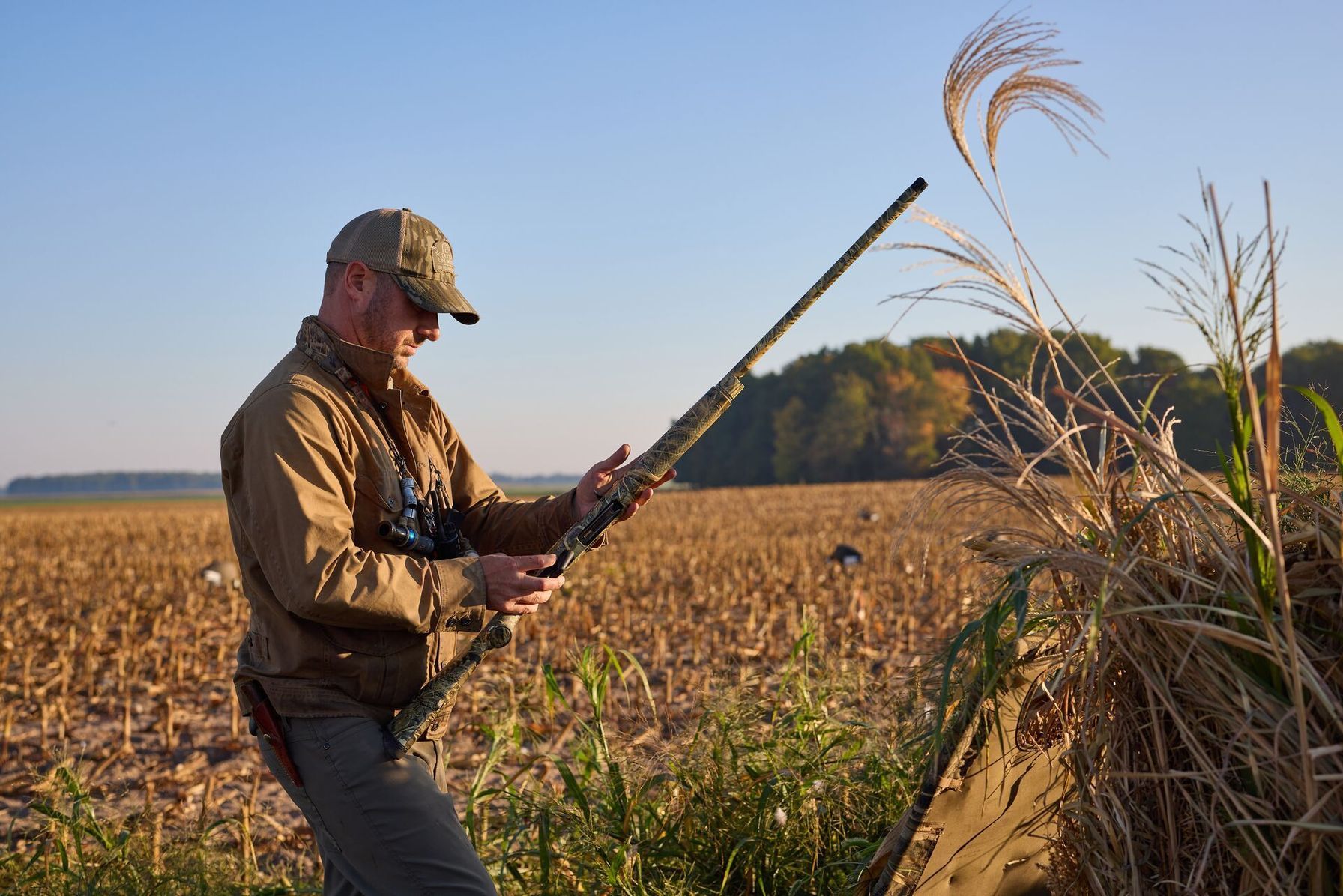
Favored by upland bird, turkey, and waterfowl hunters, the highly versatile pump-action shotgun is ideal for target and clay shooting practice. The manual slide resets, chambers the next round, and ejects the spent shell. If cared for, it's a durable option that will last a long time.
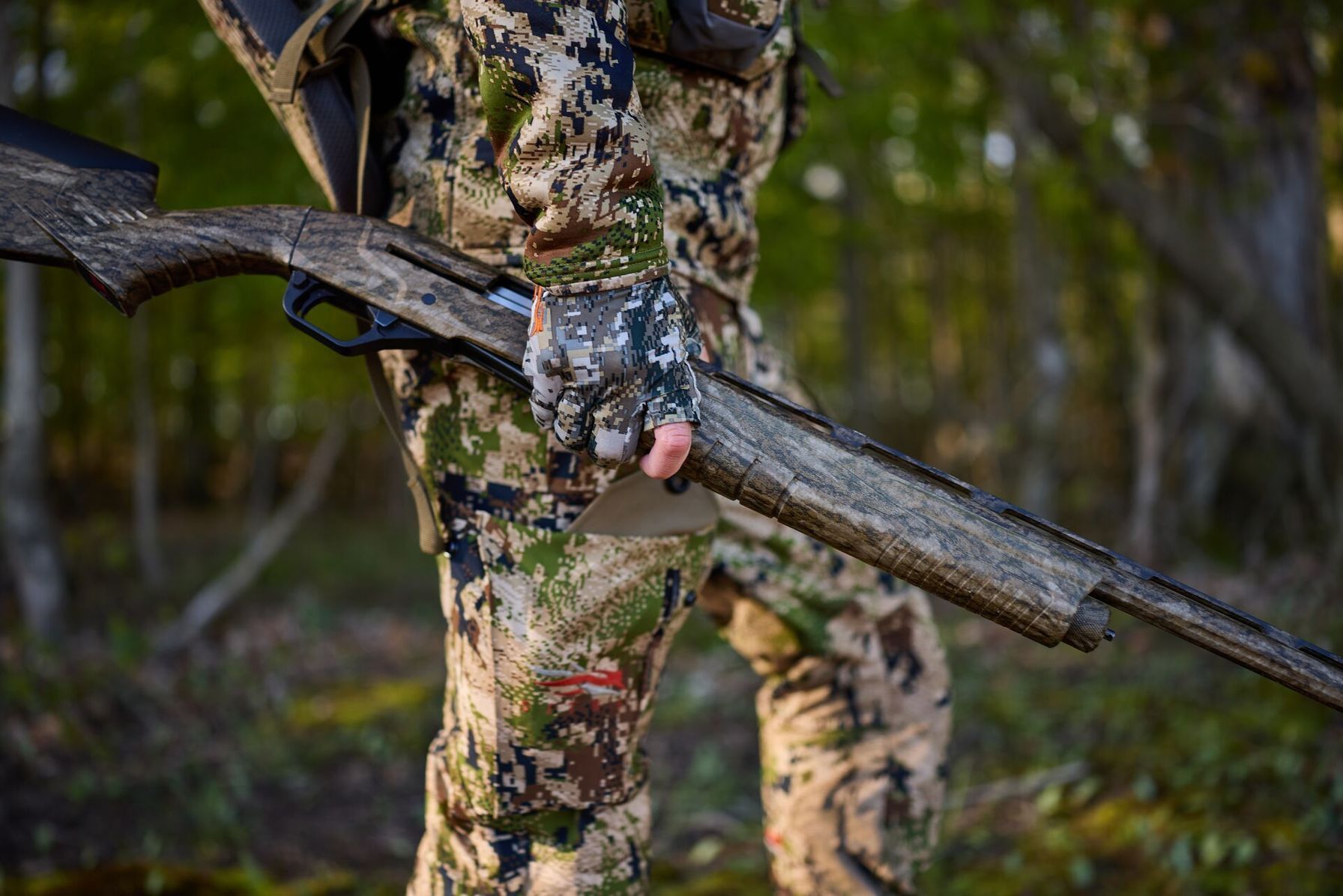
Semi-automatic shotgun
Unlike the manual pump-action shotgun, the semi-automatic cycles on its own after each shot, using either gas or recoil energy. It's a popular all-around bird-hunting option, thanks to its lower recoil and faster follow-up shots. Due to their mechanical complexity, semi-automatic shotguns are a little more expensive and may require more maintenance.
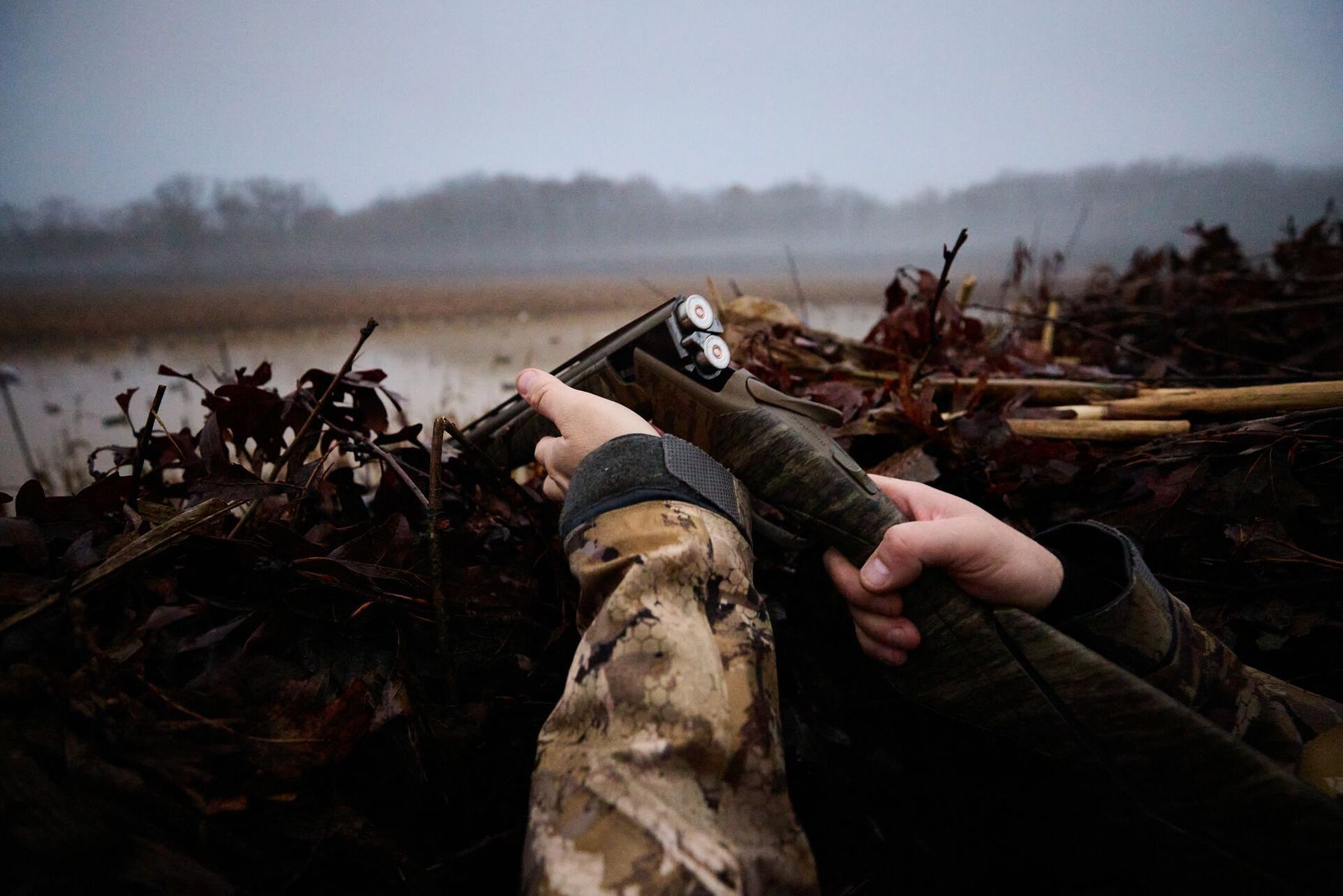
Like many hunters, some of my earliest hunting memories include a double-barreled side-by-side break-action shotgun. Break actions open at the breach via a hinge, and this upland hunting and clay-shooting classic is available in single- or double-barreled designs. Thanks to a reliable, straightforward design, they're a popular option, and collectors prize some break-action models for their craftsmanship and history.
The fourth type of shotgun is the bolt-action/lever-action, a manually operated shotgun often used for slug/deer rigs or specialty roles. Though it's one of the four types of shotguns, it has a niche status in the firearms world, and contemporary hunters rarely use bolt-action/lever-action shotguns.
What Are the Different Gauges of a Shotgun?
With shotgun gauges explained clearly, you'll be able to see how these firearms differ from others: shotgun gauge refers to the bore size, but shotgun gauges don't follow the typical rifle caliber system.
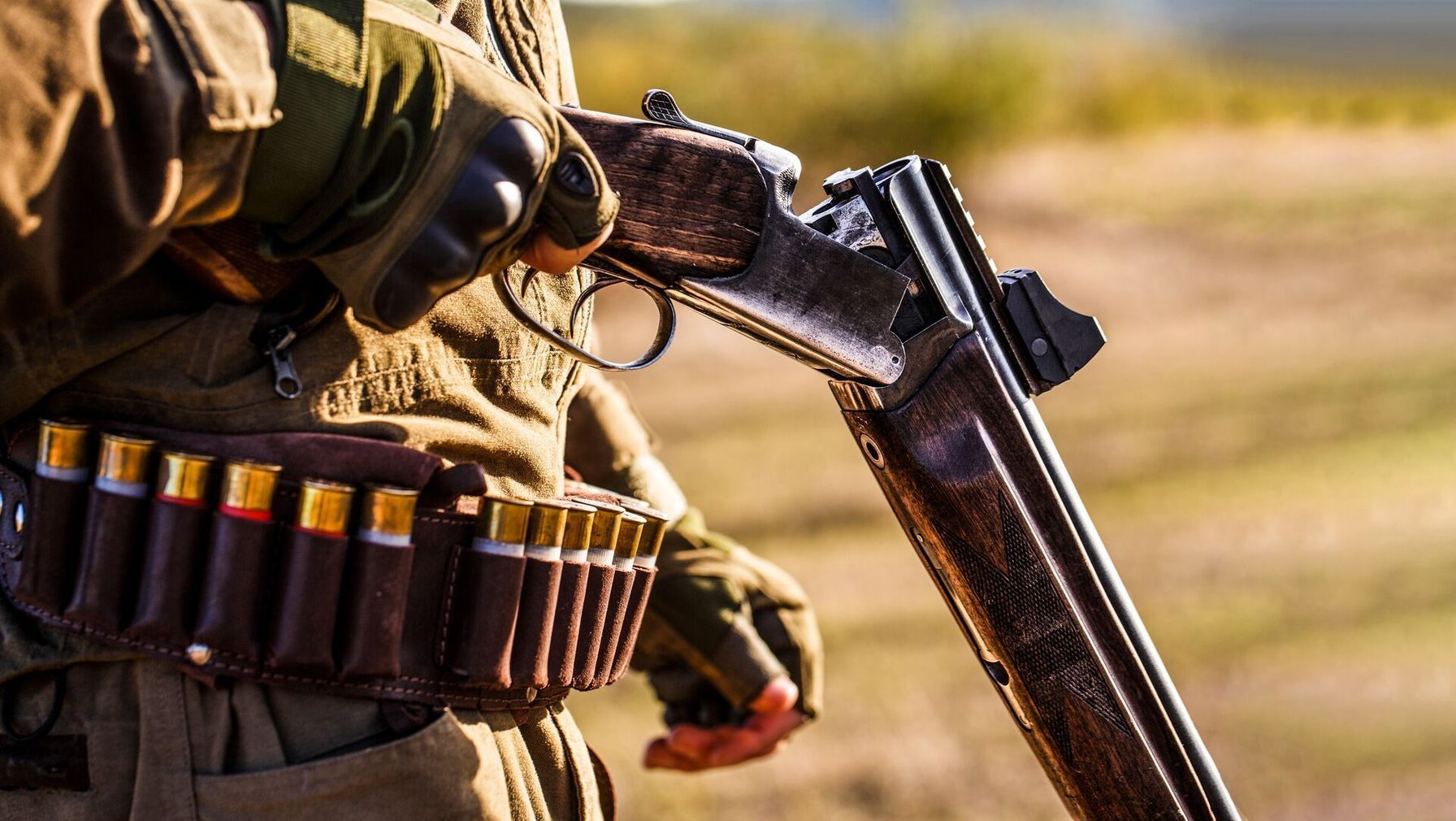
Break-action shotgun
A lower gauge number means a larger shell diameter, which translates to more shot and power.
- The 12-gauge (the king of shotguns) is by far the most common type of shotgun and a versatile option for birds, turkey, deer slugs, and home defense. The 20-gauge is another solid choice that's a little lighter on the recoil and popular for some waterfowl, as well as upland, youth, and smaller shooters.
- At the heavier end, the 10-gauge is suitable for heavy waterfowl hunting or specialty loads. For something in the middle, consider a 16-gauge. Although not a common choice, it offers an outstanding balance of power and recoil, and it has a niche following among hardcore North American wingshooters.
- On the lighter end of the scale, the 28-gauge is a small, light-recoil option for clay shooting and small upland birds.
- Consider the .410 bore (measured as bore, not gauge) for small-game shooting and for introducing young ones to the sport.
When using a shotgun, don't forget to factor in target, recoil tolerance, and ammo availability.
What Is the Best All-around Shotgun?
The 12-gauge is the most versatile shotgun for hunting, capable of handling a wide range of loads (such as birdshot, buckshot, slugs) in common ammo choices. It performs well for waterfowl, upland hunting, turkey, and deer.
For a solid all-around configuration, go for a medium-weight field gun, interchangeable chokes, a 3" chamber for flexibility, a comfortable stock, and manageable recoil. If you're targeting mainly upland and small-bird species, consider a 20-gauge for less recoil and a typically lighter frame.
How Do I Choose the Right Shotgun for Hunting?
When choosing a shotgun for hunting, prioritize what you'll be hunting and what is legal in your intended hunting zone. Start by deciding whether you'll mainly target birds, turkeys, or deer slugs, as this will determine your intended gauge, barrel, and choke. Consult your relevant state agency for limitations on shotgun type, ammo, modifications, seasons, waterfowl chokes, and additional permits.
Next, consider the type of gauge and types of shotgun actions to meet your needs. A 12-gauge is always a solid option for versatility and power, but a 20-gauge or a .410/.28 may be better for lighter recoil and small-game shooting. Choose from a pump-style for reliable shooting, a semi-automatic for fast follow-ups, or a break-action for simplicity and a classical style in an upland-hunting or sport-shooting environment.
Then, start thinking about patterning, which will influence barrel length and shotgun choke types. As a rule, longer barrels and tighter chokes will help pattern at distance when hunting doves or ducks, whereas shorter barrels will be better suited for quail hunts and other shooting in thick cover.
What Can I Hunt with a Shotgun?
Shotgun hunting is highly versatile and suitable for dove, quail, pheasant, grouse, partridge, ducks, geese, and snipe. Pump-action and semi-automatic shotguns are great for turkey hunting and for small game such as rabbits and squirrels.
For medium game such as deer and feral hogs, hunt with slugs. Check for predator-hunting opportunities in your area; if legal, you may be able to pursue coyotes and foxes. Check your local regulations regarding opportunities and season limits.
Best Shotgun for Deer Hunting
For deer hunting, go for a 12-gauge for a balance of power and slug performance. Only consider a 20-gauge if recoil is still a concern (still capable with modern sabot slugs at the right range). Always use slugs, not birdshot (either saboted or rifled slugs), for accurate shooting and an ethical kill.
When it comes to rifled vs smoothbore, rifled barrels offer improved slug accuracy, whereas smoothbores work well with sabot slugs so long as patterning is dialed in on either option. Pump or semi-auto shotguns are advisable here, especially for quick follow-up shots.
The ideal barrel length is 18–24." Shorter barrels are easier to handle in deep cover, whereas longer barrels are better suited to a longer sight radius and offer more precise shooting at a distance.
For accurate shooting, mount a low-power scope or reflex sight (especially one designed for slugs) on the firearm. When choosing the best shotgun for deer hunting, iron sights are acceptable but not ideal.
As always, verify regulations regarding slug use, chokes, seasons, and limits when hunting deer with shotguns.
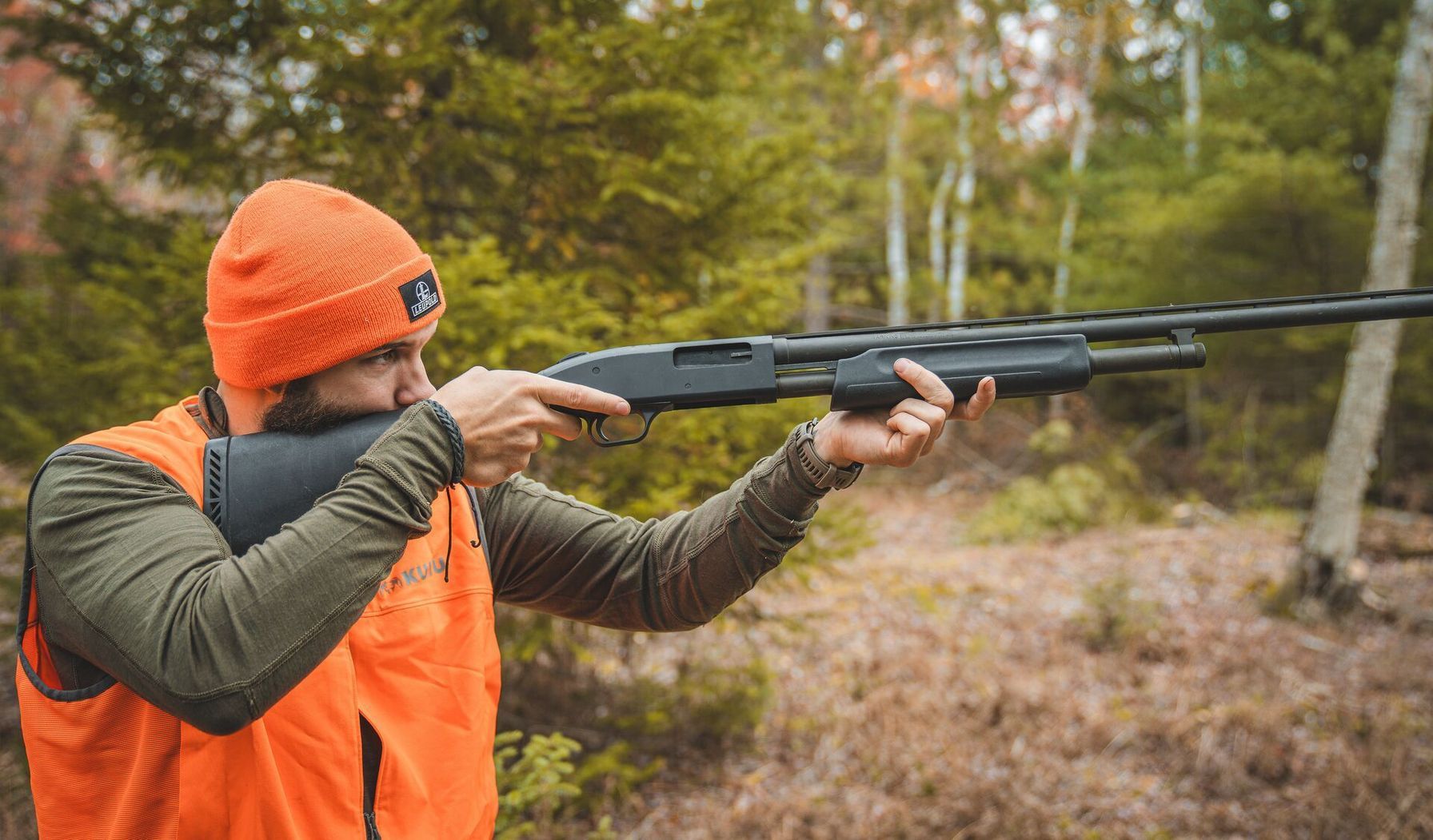
Pump-action shotgun
Your Next Shotgun Hunt Starts with HuntWise
No matter which shotgun you go for, the best shotgun is the one that fits your needs, feels comfortable in your hands, and helps you hunt confidently and ethically. With the right tool and a bit of practice, your next shotgun will be in high rotation on your hunts.
When you're ready to head out in the field and make the most of your new shotgun, open up HuntWise first. With critical insights, specialized mapping overlays, pro tips, gear recommendations, and more, you can put together an elite hunt before you even step out the door.
Frequently Asked Questions (FAQs)
We have answers to some of the top questions about the types of shotguns!
Q: What are the 4 types of shotguns?
A: The four types of shotguns are pump-action, semi-automatic, break-action (single or double-barreled), and bolt-action.
Q: What is the best all-around shotgun?
A: Many hunters agree that the 12-gauge pump-action is the classic do-everything option thanks to its reliability and versatility.
Q: What is a shotgun used for in hunting?
A: A shotgun is primarily used for hunting birds and small game, but also deer in areas where rifles aren’t allowed.
Q: How do I choose the right shotgun for hunting?
A: To choose the right shotgun for you plan to hunt, match the gauge and action to your game and make sure the fit is comfortable. Also, consider recoil, weight, and local rules.
Q: What are the different gauges of a shotgun?
A: Common shotgun gauges are 10, 12, 16, 20, 28 gauge, plus .410 bore.


