

Common approaches include searching for water and feeding areas, leveraging tools like HuntWise to uncover hidden benches and drainages.
Colorado is one of the most popular elk-hunting states, boasting large herd numbers, public land access, and over-the-counter tag options. With this popularity comes hunting pressure and a growing need for intensive, strategic scouting to uncover high-potential zones that may be overlooked by other hunters for a successful elk-hunting expedition.
In this guide, we’re breaking down the basics of e-scouting for Colorado elk to help put you on some big bulls.
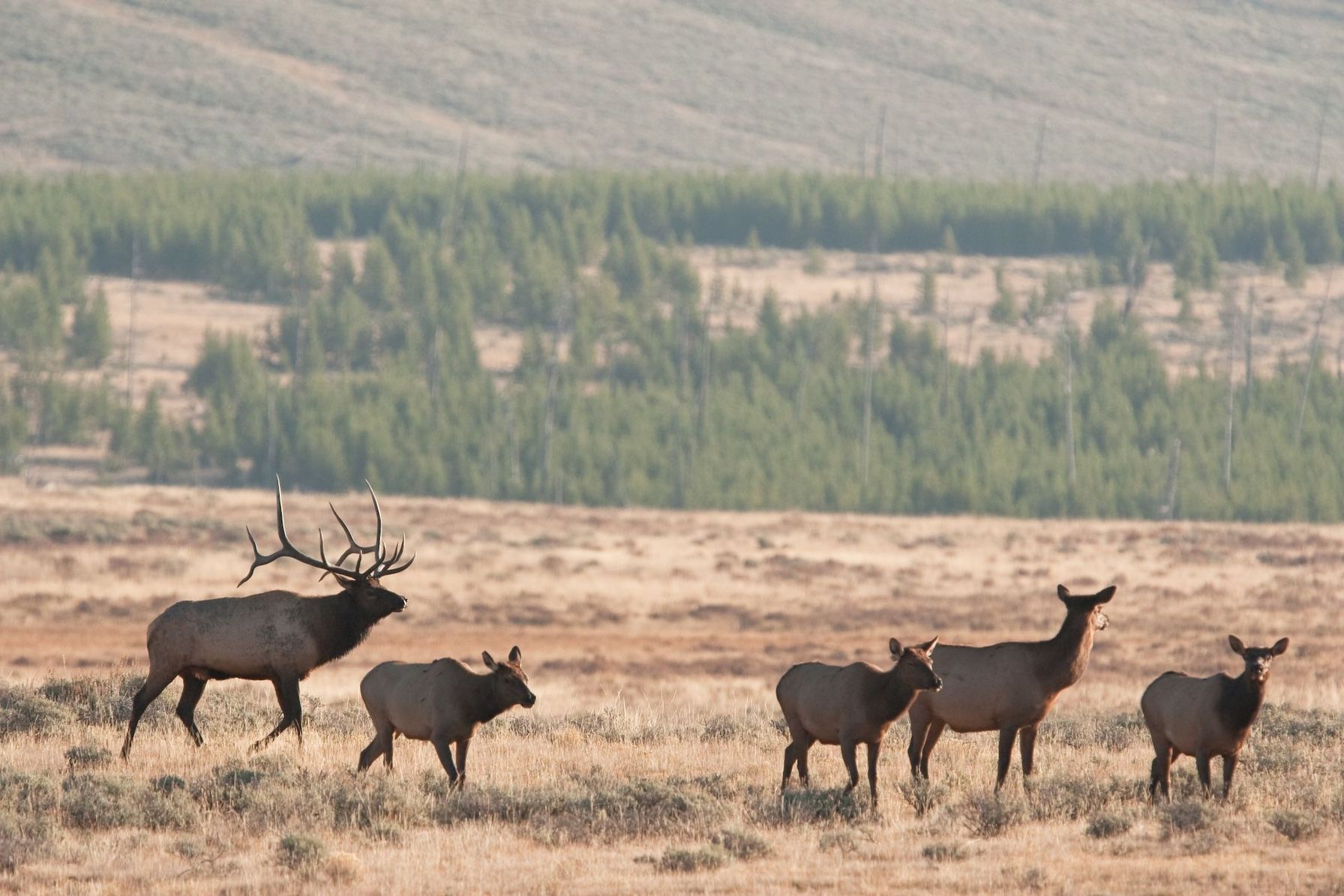
Why E-Scouting Matters for Colorado Elk Hunting
When you add travel days, prep, packing out, and season restrictions, it really puts your hunting time in perspective. When hunting in Colorado, you’ll want to maximize productive time in the field to tag out on a Colorado elk hunt. Focusing on inaccessible spots, working unproductive zones, or glassing over already worked basins can eat into this precious time.
E-scouting with Huntwise saves time and miles during the season, allowing you to do a deep dive with map contour and LiDAR features, uncovering low-pressure areas that may not be picked up with in-person scouting or other mapping tech. You’ll save calories and be able to head straight for elk-rich country. Ask any Coloradoan who’s been hunting elk for a while, and they’ll likely tell you there’s been an uptick in encounters as hunting areas become more and more pressured.
By e-scouting first, you’ll get an instant feel for the terrain, elevation, and habitat, and be able to mark high-potential zones ready for a scouting session.
Start with the Right Habitat
When it comes to how to find elk, pre-season scouting on hunting zones that provide food, cover, and water, which is everything elk need to live and thrive, will help you get started.
Focus on Cover and Bedding Areas
When elk aren’t grazing or out rutting, they’re likely bedded down in zones that offer plenty of cover. To start, focus your e-scouting on north-facing slopes, as elk tend to favor cooler temperatures and shade. Thick Engelmann spruce and superalpine fir offer the kind of dark timber coverage elk love. It provides natural temperature regulation and thermal cover, and its elevation allows elk to wind-check any incoming threats.
They also like the option of ducking down low into cover or pushing up over a ridge or gulley to escape in a pinch. On your HuntWise maps, focus on elevations above lodgepole pines and aspens but below the alpine, favoring benches. These will be flat areas, on an elevation where the contours spread out before becoming steeper above and below again.
| Pro E-Scouting Tip: |
| You can use the HuntWise slope angle and aspect layers to identify north-facing timber pockets to level up your elk hunting. |
Identify Food Sources
Food sources and elk feeding patterns will shift depending on the weather and their nutritional requirements at that time, such as fat reserves, rut, and recovery.
Early Season (September / Archery)
During the early season, elk target rich green grasses, sedges, and forbs at higher elevations, opting for greener pastures with high protein offerings.
When e-scouting, target subalpine meadows, open slopes near timber where elk have access to both food and shelter, and aspen groves at higher elevations. These dense timber and grassy zones are ideal for early-season glassing sessions as elk pop in and out of cover to eat and retreat.
| Pro E-Scouting Tip: |
| To take your e scouting strategy to the next level, by marking transition zones such as timber to meadow edges and burns (5-15 years old) with regrowth, as elk love to feed on sprouting green grass. |
Locate Reliable Water Sources
Water is essential, and elk will travel to water sources, especially in the early season when hunting pressure is lower and temperatures are higher.
Pour over your maps to uncover critical water features, including springs, small creeks, and secluded seeps. If they’re close to timbered benches, beds, and open slopes, then you may be onto a winner.
| Pro E-Scouting Tip: |
| When e-scouting for water sources, consider options beyond the major river systems and runoffs, as these will likely be popular. Zoom in to reveal hidden water in remote basins, and use LiDAR features to explore small streams and drainages that may be covered by canopy, springs, and seep lines on slopes, as these may be missed with other mapping services. |
Focus on Public Land Opportunities
More than one-third of Colorado is public land, with a large proportion (23 million acres) open for hunting. As a result, Colorado offers extensive hunting opportunities and access to diverse species. If you’re planning your first hunt, make sure you’re on top of the differences between elk and deer.
Within these public land offerings, there are differing regions, including federal options such as the National Forest Service and Bureau of Land Management lands, and, at the state level, Colorado Parks and Wildlife areas and state parks. There are also state trust lands; although publicly owned, they are often leased to ranchers and require specific CPW permits or valid hunting tags for public access.
| Pro E-Scouting Tip: |
| While these opportunities are plentiful, it's essential to be on top of exactly where and how the land you intend to use is classified to avoid legal issues such as trespassing. With HuntWise, you can view mapping layers to confirm and demarcate private land, clearly visualizing private land boundaries. Taking it a step further, you can uncover overlooked public parcels, especially those in mixed areas that may back onto agricultural zones. You will also have access to private landowner details. |
Find Remote, Low-Pressure Areas
As the season progresses and rifle hunters start scouting, elk will quickly avoid hunting pressure and may shift to nocturnal patterns, and you'll likely see most of the action in the early morning and late evening.
Hunting pressure on elk requires extensive pre-season and in-person scouting of particularly remote, less pressured hunting zones.
What to Look For
For successful low-pressure hunting, you’ll want to start with a wider view of your e-scouting, going at least a few miles from roads or trailheads. Elk will likely seek out these less pressured zones once hunting pressure picks up.
Consider natural roadblocks such as rivers, which may deter other hunters. Also consider steep basins, deep drainages, and roadless areas.
Keep in mind that these remote areas, often with steep terrain, can add extra time to your hunt, so factor in extra packing-out time when you head out.
| Pro E-Scouting Tip: |
| To start, use the HuntWise distance-from-road tools to uncover deeper pockets, and the roads-and-trails tools to plan your entry and exit. With the LiDAR and topo features, including hillshade layers, contours, lines, and 3D terrain, you’ll be able to more easily determine hidden benches inside steep terrain where elk like to bed up and transit. |
Use Terrain Features to Your Advantage
Terrain features will be the key to unlocking elk movements regarding bedding, travel, and access.
Key terrain features to locate include:
- Start by focusing on benches. These are long and narrow flat spots on steep slopes that elk love to bed up in. You’ll find them e-scouting where closely spaced contours spread out on an incline, making for the perfect ambush locations when waiting for an elk bed.
- Focus on gentler benches for easier access, particularly on northern slopes and beneath timber canopies, where elk can escape the heat and rest up. Bonus points if they’re closer to forage and water sources.
- Elk commonly use drainage corridors as travel routes linking bedding and feeding areas. They’re like natural roads that elk will go back to again and again, especially if they’re concealed. You can use LiDAR over the base layers to identify steep dark markings that reveal drainages, and the 3D features to determine potential glassing or ambush points.
- Ridge lines similarly provide movement routes, especially at low points between ridges known as saddles. This allows elk to travel with more cover and shade. You can work the saddle from either side, and elk will typically be making their way up from lower elevations, especially if the ridge links to bigger areas of forest or water.
| Pro E-Scouting Tip: |
| If you had to pick one zone to start e-scouting, it should be uncovering benches that link with escape routes downhill. If elk are around, they will be making use of these areas, particularly on the north-facing slopes. Switch to topo to find the bench, then open the 3D or satellite to uncover timbered areas and check for drainage or a spring just below the bench. |
Advanced E-Scouting Tips
Turn your e scouting for elk up another notch with these tips.
- Burn zones, typically five to fifteen years post-fire, provide prime habitat for elk due to peak vegetation growth, while still providing necessary cover. Even recent burns can provide the kind of young greens that elk will seek out.
- Edged habitat is always going to be a high-priority scout area where two distinct ecosystems converge, where elk seek both forage and cover.
When e-scouting, explore everything HuntWise has to offer by combining layers that uncover elevation, vegetation, and access to paint a picture of your intended hunting zone and its accessibility.
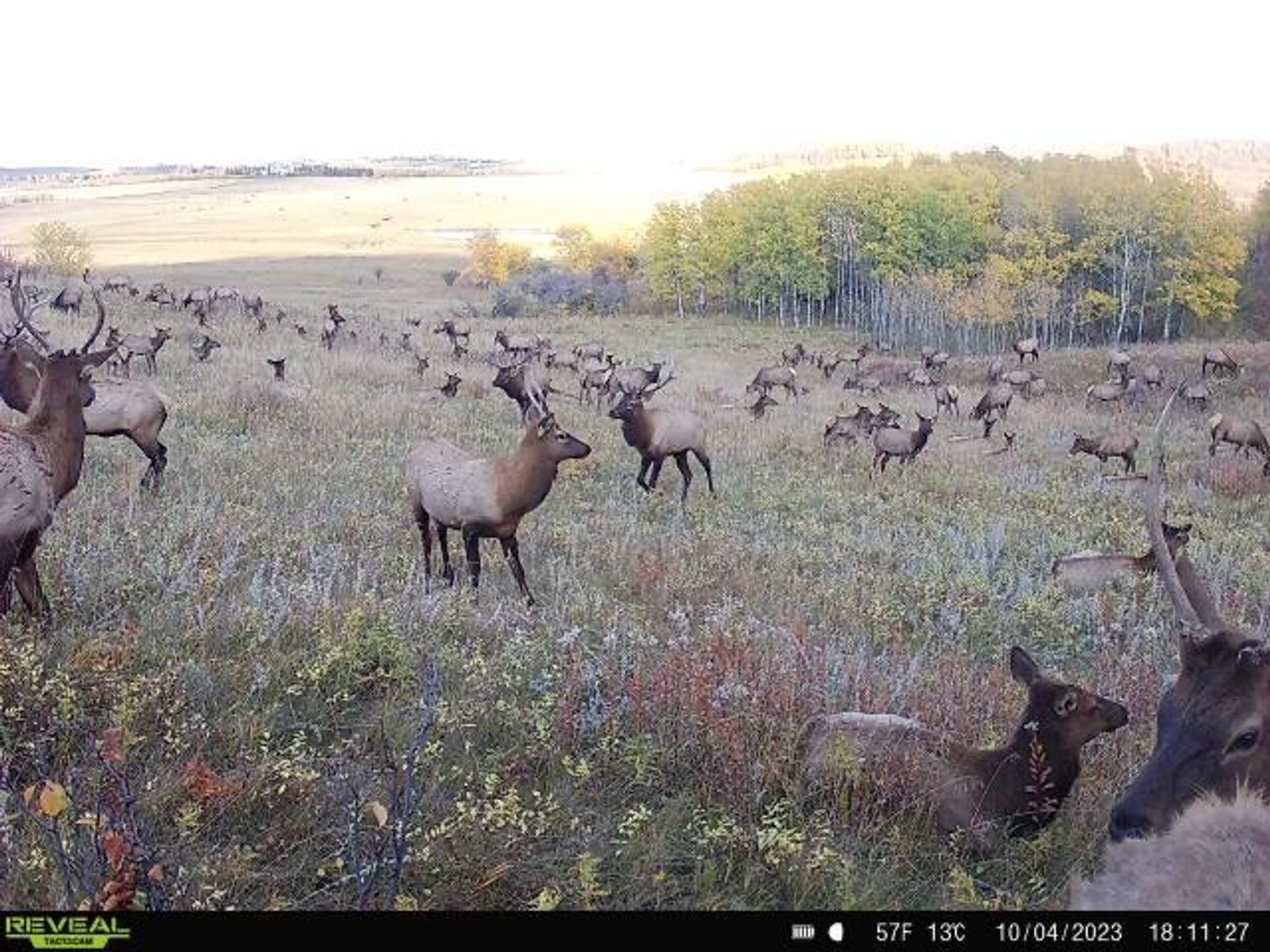
Know the Seasonal Elk Movement Patterns
Along with terrain, seasonality, and climate patterns, these next factors will also help determine where elk are likely to be gathered. Knowing elk movement patterns according to the season can help you zero in on the best spots and times to hunt.
Early / Archery Season
Early season patterns see elk at higher elevations. During this time, they’re highly dependent on water, shade, and food, and can be routinely encountered on north-facing slopes and in shaded basins. Zones that have everything, wallows, water sources, bedding area, travel routes, will be high-potential areas, as will the dark timbered areas they use for travel and shade.
Keep in mind, elk are more active, especially when seeking out water during this time, and will travel a little further than usual for a drink.
Late / Rifle Seasons (Oct–Nov)
As snow builds, elk head to lower-elevation zones, shifting their attention to south-facing slopes to get more sun. Switch your e-scouting approach to lower timber and transition zones.
Elk, especially in popular hunting zones, may become more sensitive to pressure during this time. Focus on areas that offer cover, blended with escape routes.
Pre-Season Scouting: Confirm What You Found Digitally
Once you’ve marked your map with these terrain-based features, it's time to head out for boots on the ground validation before elk hunting.
Look for Fresh Sign
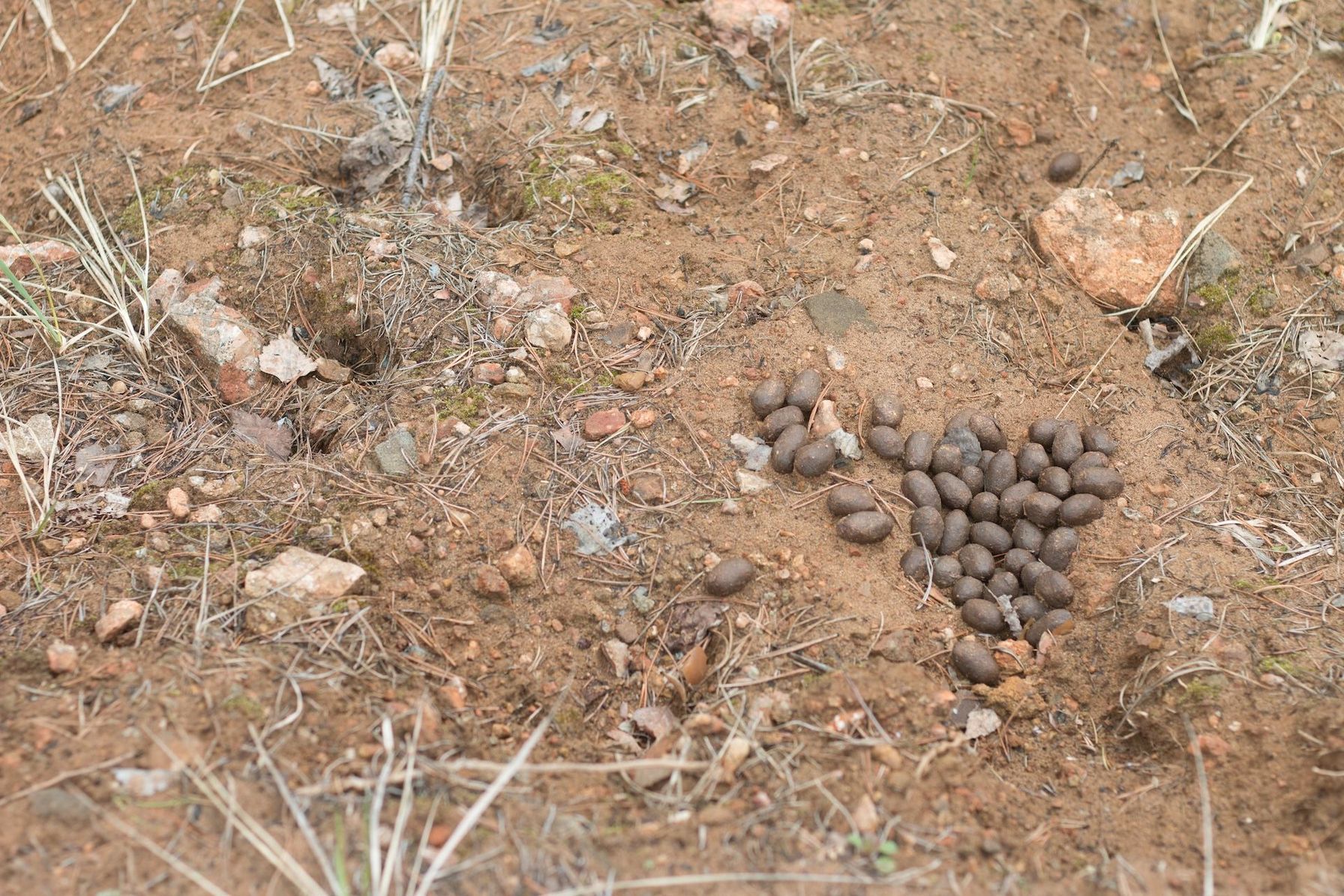
The easiest starting point is fresh signs, including tracks, particularly when lined on crossing trails or in muddy patches or on trails lining feeding and water zones connected to bedding areas. Droppings also indicate elk presence; check for moistness to assess recency.
New rubs and scrapes on bark will indicate buck activity. Wallows can indicate the presence of rutting elk.
It might look perfect on the maps, but you’ll want to confirm that elk are actively using the area to not lose hours or even days glassing unproductive terrain.
What Are the Best Hunting Tactics to Deliver on Your E-Scouting?
Once you’ve targeted some less-pressured hunting zones, checked for elk signs, and prepped your gear, it's time to bring it all together.
Best Hunting Tactics for Elk After e Scouting | |
|---|---|
| Play The Wind | Wind will be a constant consideration when out in the field. Use the HuntWise WindCast feature to account for wind direction, and try to establish a consistent direction as your basis, but you’ll need to check it frequently. WindCast will provide up-to-date winding insights so you can keep wind in your face or crosswind. Use terrain to control scent flow, working ridges for movement, and avoid drainages unless the wind is consistent. |
| Hunt the Edges | Working edges are not only great for reducing scent; they also help reduce dust. Areas where thick wood meets open meadows are prime elk territories as they make these timber-to-meadow transitions to eat and bed. These bedding-to-feeding routes are always a great spot to set up or post some trail cams. |
| Be Mobile | The benefits of marking several glassing and potential hunting zones are that you can pack up and work another backup location. If there’s no fresh sign or the area has already been worked, and elk may be more pressured, move to the next pre-scouted location. |
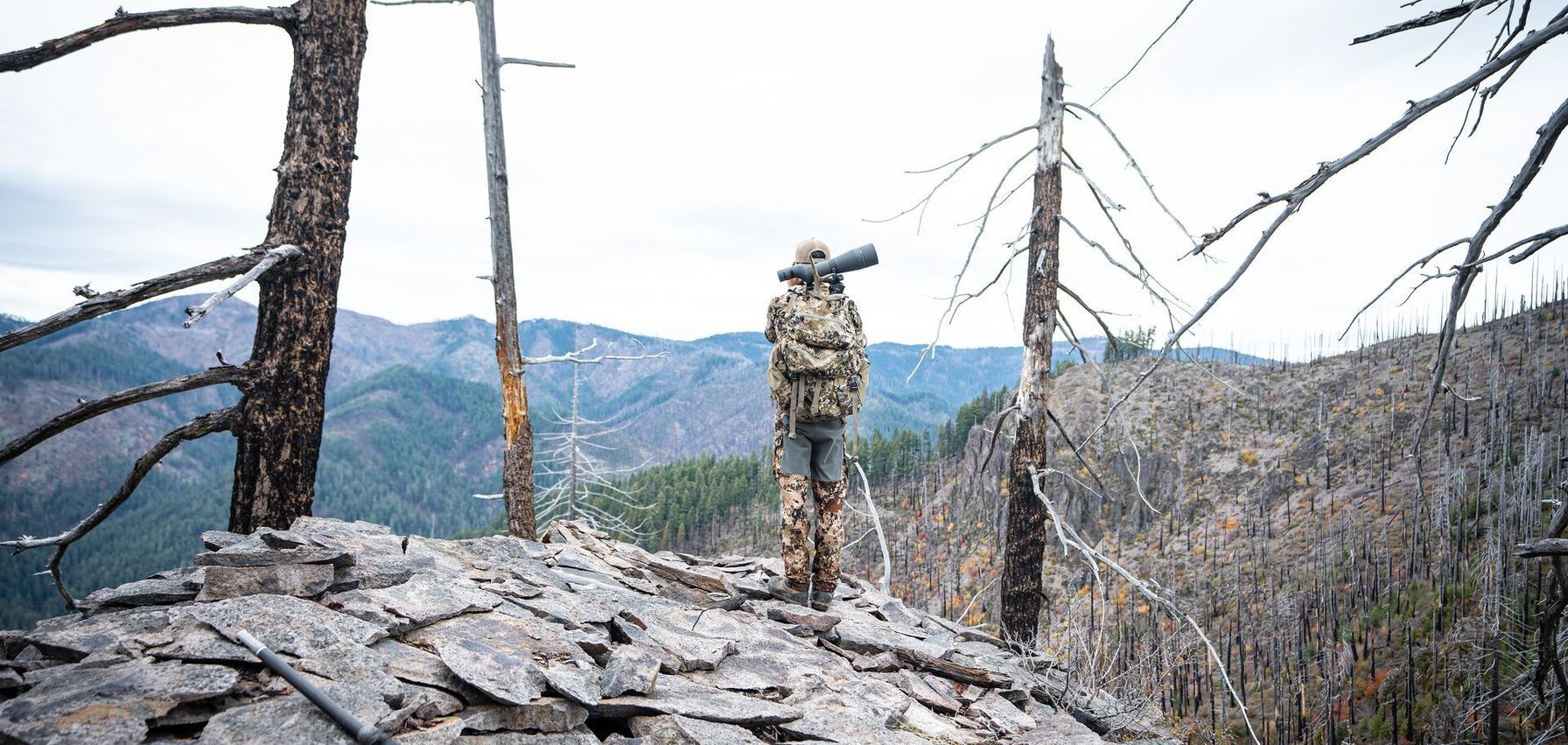
E scouting for Elk Hunting Success is Better with HuntWise
Elk are predictable when you understand habitat, seasonality, and hunting pressure; however, factors such as weather, hunting pressure, and food availability can significantly impact their behavior and movement patterns.
E scouting for elk lets you get ahead of the game, explore territories, and start planning strategies such as access and approach that will allow you to maximize your time in the field hunting productive zones. To get started, download HuntWise and explore the mapping features, marking benches, drainages, ridges, and multiple glassing locations to serve as backup spots.
Explore Pro and Elite Features free during your first week in the HuntWise app!
Frequently Asked Questions about How to Find Elk in Colorado (FAQs)
Q: What is the average cost of an elk hunt in Colorado?
A: It depends on how you hunt. A DIY non-resident rifle hunt typically runs $2,600–$4,800 once you factor in the tag (roughly $1,050+ in license fees alone), travel, gear, and camp costs. Guided hunts are a bigger investment, generally ranging from $6,700 to $10,500 or more, depending on the outfitter, land access, and season type. Resident hunters pay significantly less, since the base elk tag is around $68 compared to roughly $845 for non-residents.
Q: Where can you find elk in Colorado?
A: Colorado has the largest elk herd in the world, with over 303,000 animals spread across more than 100 Game Management Units (GMUs). Your best bets for public land hunting are the White River National Forest, the Flat Tops Wilderness in northwest Colorado, and the San Juan Mountains in the southwest. Northwest Colorado, in particular, has a long reputation for producing high elk densities and is a favorite among serious DIY hunters.
Q: Where do elk bed down during the day?
A: Elk typically bed in thick, north-facing timber after feeding in the early morning hours. In warmer months, those cool, shaded slopes give them cover from the heat and security from predators. They tend to hold tight through midday and don't start moving again until late afternoon. Hunters who target the timber edges between bedding areas and feeding meadows often have the best shot at catching elk on their feet during legal shooting hours.
Q: Can a non-resident hunt elk in Colorado?
A: Yes, non-residents can hunt elk in Colorado, and the state is one of the most accessible options in the West. For rifle hunters, over-the-counter tags are still available in most GMUs for the second and third rifle seasons (October 24–November 1 and November 7–15, 2026). Non-residents who want to archery hunt must now apply through the draw for most units, though leftover tags are often available after the draw closes.
Q: How much is an over-the-counter elk tag in Colorado?
A: For non-residents, an OTC elk tag comes to roughly $1,050 in total license fees, which includes the elk license itself (around $845), a qualifying small game license (around $105), and a habitat stamp ($13). Residents pay far less, with the elk tag running about $68 plus the same qualifying license and stamp. OTC rifle tags go on sale August 6, 2026, so non-residents should plan ahead and purchase early.
Q: How many elk tags can you have in Colorado?
A: In most cases, a hunter can hold one elk tag per season. Colorado does offer multiple tag types (limited draw, OTC, and leftover licenses). Under certain circumstances, a hunter could hold more than one (for example, a bull tag plus a cow/antlerless tag in applicable units). However, you can only submit one application per species in the primary draw, and CPW regulations govern exactly what combinations are legal.


