

You probably already know that wild hogs have become a very popular game to harvest. The number of these animals (i.e., the hog population) has grown rapidly throughout the United States, causing them to be easily accessible to many hunters (while doing a tremendous amount of damage to land, crops, and more).
So, whether you have hunted wild hogs before or you're considering adding these animals to your list of hunted species, here are seven facts every hog hunter should know.
Updated January 7, 2026
Fact 1: It's Hard To Fool Their Nose
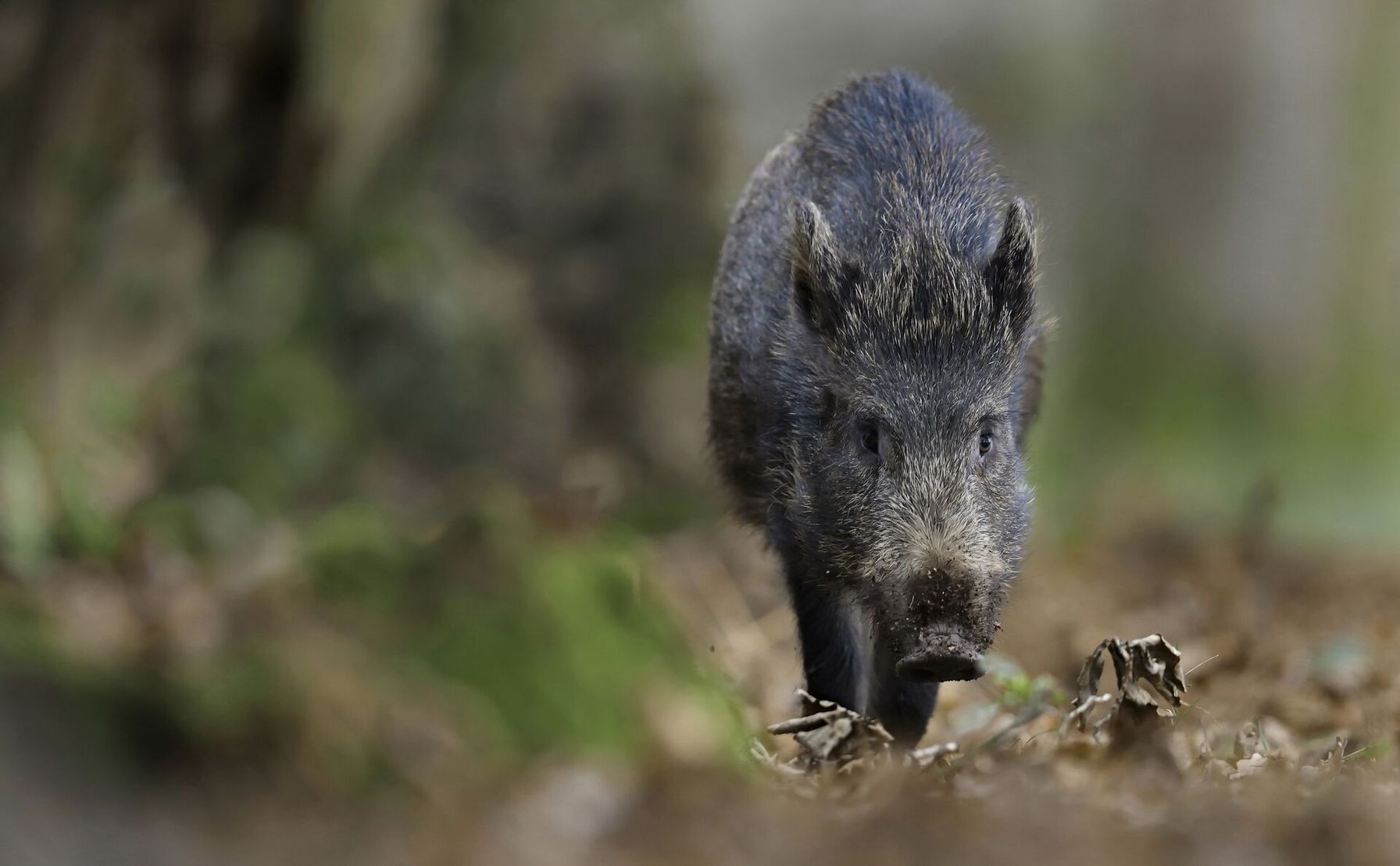
Hogs might not have the best eyesight compared to other game you hunt, but they do have very good noses. Hogs can detect odors from more than five miles away and can detect underground odors as deep as 25 feet.
This is why many hunters use the "spot and stalk" tactic. You can fool the eyes if you're careful, but you can rarely fool a wild hog's nose.
Using this tactic, hunters scout a spot where they can watch and "spot" hogs. Then, choose a hog they want to take and stalk it very slowly to get within shooting range, being careful to keep the wind in your face to avoid triggering the hog's sense of smell and alerting them to your presence.
Fact 2: Hogs Do Not Have Sweat Glands
Now, we know what you're probably thinking: why do I care if hogs have sweat glands or not? Well, hogs do not have sweat glands, so they must resort to drastic measures to keep cool in the heat.
Considering many hog populations that are becoming hard to control are in the south (Texas, Alabama, and other southern states), knowing this information helps you better plan your hunts.
Hunting the weather to the best of your ability requires getting into the mindset of a wild hog. In extremely hot temperatures, hogs will stay near water or the thickest cover possible, depending on what's available. You can also catch wild hogs lying in the mud or moving late at night when temperatures drop.
With this information, it makes sense that the best time to hunt wild hogs is during colder months, as they do not need to put in as much effort to stay cool. However, now that you know where they will also be during warm months, they might be easier to locate if you plan to hunt during those months.
Fact 3: They Are Runners and Jumpers
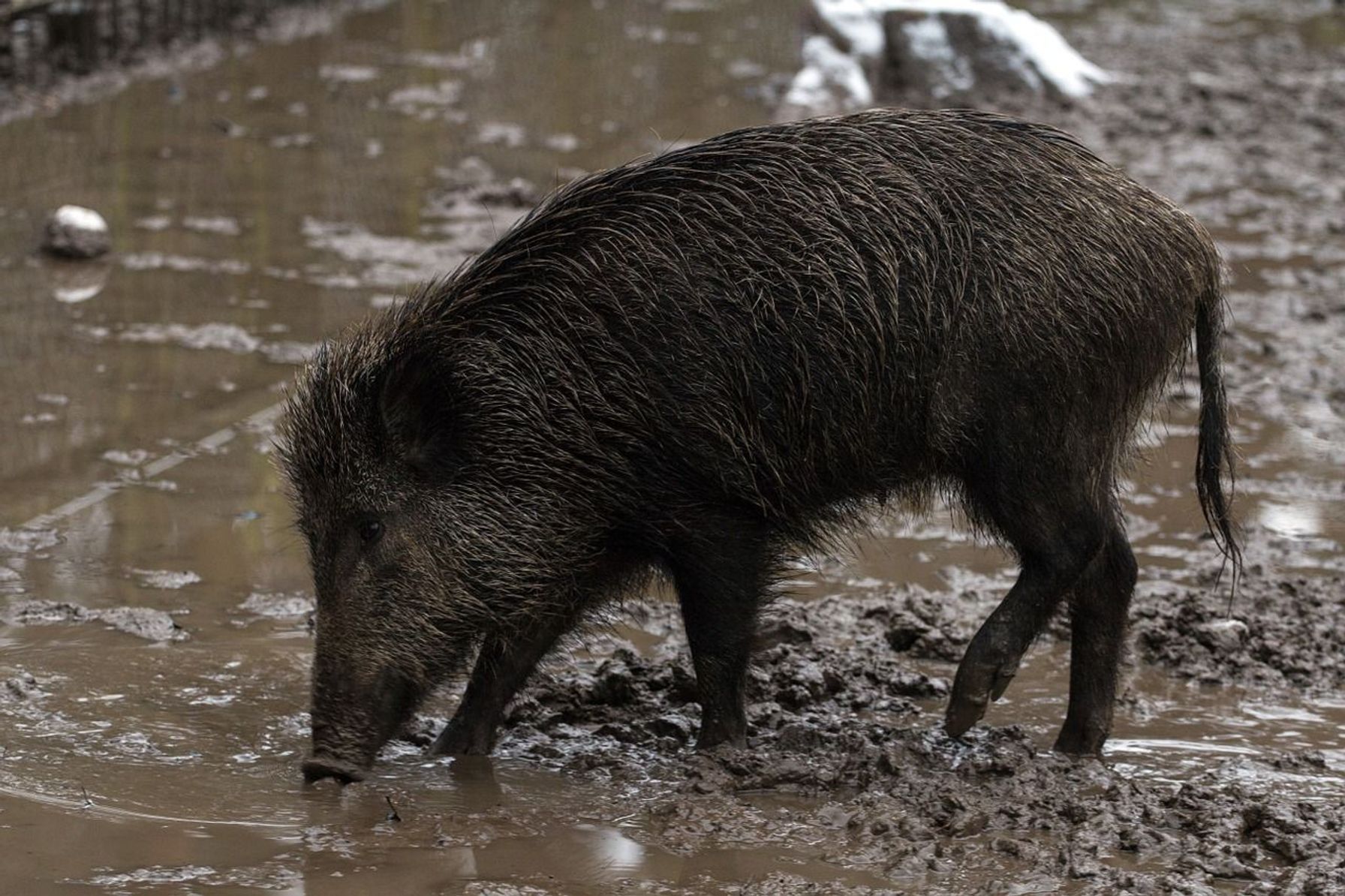
Have you ever seen a wild hog run or jump? These animals might not look agile, but they can reach speeds up to 30 mph.
They are also known to jump over fences lower than three feet high. Researchers have also observed feral hog behavior that includes escaping from traps five to six feet high.
What does all of this mean for hunters? Hunt with caution.
As we mentioned above, wild hogs have a great sense of smell. They are also large, aggressive animals that can charge you at high speeds.
So, if you plan on hunting or trapping these wild hogs, you must be careful with the techniques you intend to use. Texas A&M recommends setting traps at least five feet tall in a teardrop shape, avoiding "hard" corners (i.e., 90-degree angles) because hogs tend to pile in corners and can make it over the top of the trap.
Fact 4: They Can See Objects Up to 100 Yards Away
Although hogs have poorer eyesight than other wild game, they can still see up to 100 yards.
This means that if you plan to spot and stalk a hog, be careful and quiet. They can hear and see you at a distance. And remember, they might charge you when they spot you!
Fact 5: They Are Destructive (Uprooted Soil)
Why are hogs a problem? The biggest reason is their destructive behavior.
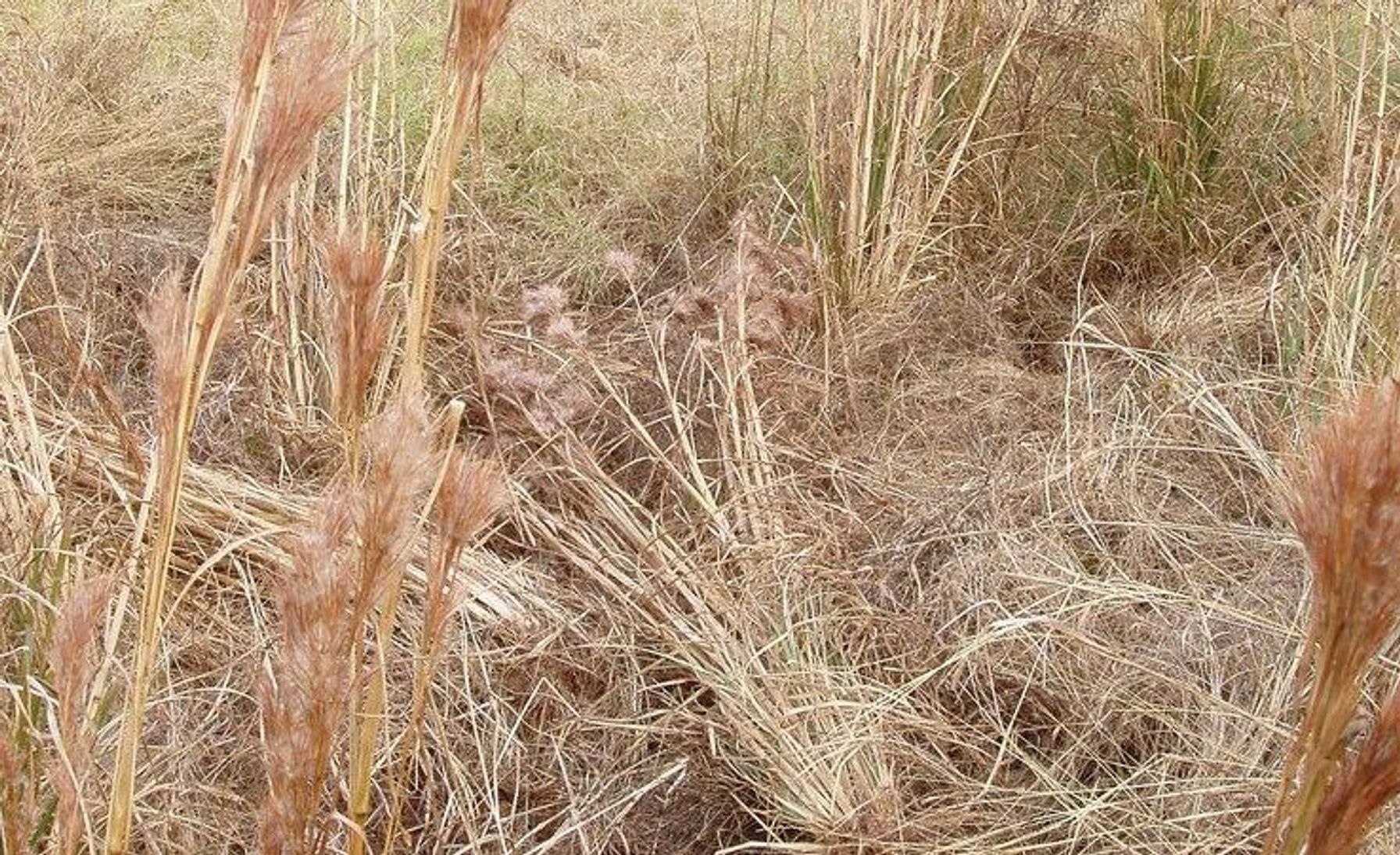
One of the most telltale signs of a wild hog harvest is uprooted soil. Wild hogs use their snouts to root through vegetation in search of food.
What do wild hogs eat? Almost anything! However, they'll primarily focus on plant matter like acorns, roots, tubers, seeds, fruits, and grains. They're also known to eat small animals, insects, and trash.
So, spotting disturbed soil can help you harvest a nice pig, as this is likely a spot where they've been on the hunt for a meal.
Fact 6: Many Wild Hogs Become Nocturnal
As wild hogs become increasingly popular to hunt to control their numbers, many hogs have adapted to hunter behavior and strategies, becoming nocturnal. This nocturnal behavior means that one of the best times to hunt wild hogs is when they feed at night.
Several states allow hog hunting on private and public land, with orwithout artificial light. To hunt at night, make sure you have the right equipment. Some lights can be attached to the bottom of feeders to provide illumination when a hog is within range.
Doing this simplifies night hog hunting and helps you see hogs move in the dark.
Fact 7: Their Population Increases Significantly Each Year
How fast to hogs reproduce? Studies show that the wild hog population increases across the United States by 18-20% annually! With this species causing damage to our crops, agriculture, and forests, a rapidly growing population is a good reason to hunt these animals.
We must start taking the rapid growth of these animals seriously and take advantage of hunting rights.
Use the HuntWise app's mapping features to learn where you can hunt wild hogs. HuntWise can also connect you with the related regulations in the area, as they can vary from state to state. However, more states are loosening their regulations yearly due to the rapid growth of wild hog populations.

Bonus Wild Hog Fact: HuntWise Helps You Have Success on a Wild Hog Hunt
Wild hogs are smart! They are good at adapting to different habitats and the weather in their regions. These characteristics are some of the reasons why their numbers are growing at an outrageous rate.
With these seven facts about hogs in your mind and your HuntWise app to guide you along the way with predictions of the best times to hunt in your area using the HuntCast feature, mapping and marking features, and more, you improve your chances of harvesting a wild hog. Plus, with how smart and mischievous these guys are, it is nothing short of fun to hunt hogs!
Download HuntWise and to hunt wild hogs!
Content most recently reviewed and updated January 7, 2026.
Frequently Asked Questions (FAQs)
We have answers to common questions about wild hogs!
Q: What are 20 interesting facts about pigs?
A: 20 interesting facts about wild pigs include:
- Pigs are among the top 10 most intelligent animals, comparable to dogs and young children.
- They have excellent long-term memory and can recognize humans and other pigs.
- Pigs can learn tricks, games, and even joystick-controlled tasks.
- Despite the stereotype, pigs are very clean animals when given enough space.
- They don’t sweat—they roll in mud to cool off and protect their skin.
- Pigs have an exceptional sense of smell, better than dogs in some situations.
- Their snouts are incredibly sensitive and used like tools for digging and sensing.
- Pigs are social animals and form strong bonds with herd members.
- Mother pigs (sows) sing or grunt to communicate with their piglets.
- Pigs can run surprisingly fast for short distances.
- They are omnivores, eating plants, insects, and small animals.
- Pigs have poor eyesight, but make up for it with smell and hearing.
- They can express emotions such as joy, stress, and curiosity.
- Pigs dream during sleep, showing REM sleep patterns.
- A pig’s intelligence allows it to solve puzzles faster than some primates.
- Pigs are highly adaptable and thrive in many climates.
- Their vocalizations include over 20 distinct sounds.
- Pigs can remember where food is located for long periods.
- They have been domesticated for over 9,000 years.
- Pigs play an important role in agriculture, medicine, and scientific research.
Q: What are some interesting facts about feral hogs?
A: Some interesting fact about feral hogs are that they are are domestic pigs that have returned to the wild. They are also known as wild hogs, wild boars, or razorbacks. They reproduce rapidly—sows can have two litters per year. A group of hogs is called a sounder. They are extremely adaptable and live in forests, wetlands, grasslands, and farmland.
Q: What smells attract wild hogs?
A: Wild hogs are strongly attracted to food-related odors, especially corn and fermented grains, sour or sweet smells (rotting fruit, molasses), acorns and nuts, agricultural crops, animal feed, and rong, musky scents from disturbed soil.
Q: What is the top speed of a wild hog?
A: Wild hogs can reach speeds of up to 30 miles per hour in short bursts. While they cannot maintain that speed for long distances, their acceleration and agility make them surprisingly fast and dangerous over short ranges.


