

To hunt in Georgia, you need a hunting license, a Big Game license for deer, bear, or turkey, and a harvest record. Every deer, bear, and turkey must be reported through Georgia Game Check within 24 hours for several species.
HuntWise helps you plan each hunt.
- Use the Public Land layer to find Wildlife Management Areas and National Forest land, turn on Property Lines to see parcel boundaries, and scout terrain on satellite and topo.
- Drop waypoints at access points and stand sites.
- Check HuntCast and WindCast to pick your day and plan your entry and exit.
Find season dates by species below, plus learn step-by-step how to use HuntWise to plan the best spots and times for your hunts.
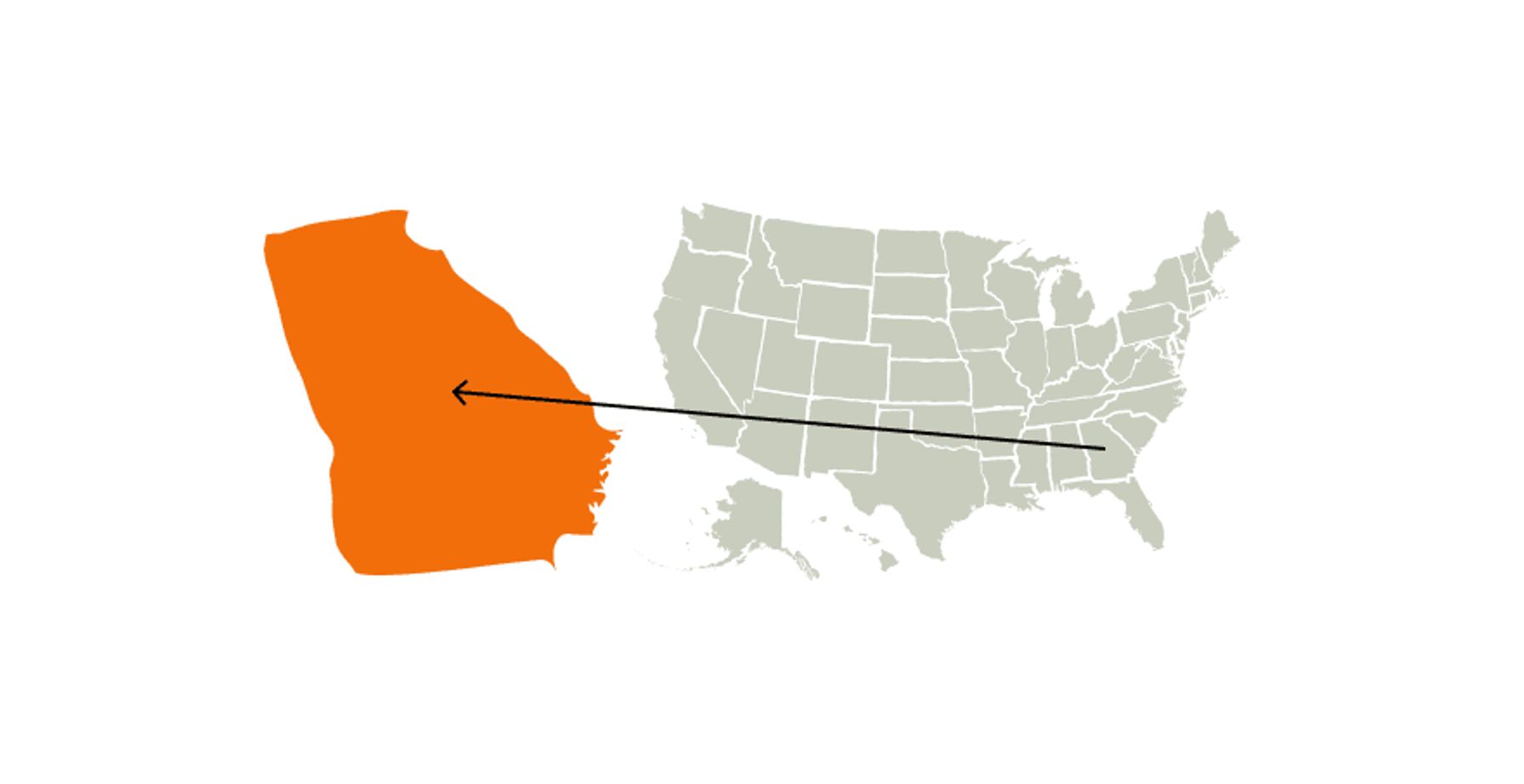
Georgia Hunting Season Dates 2026-27
We’re sure you’re anxious to get out and hunt, but make sure you check season dates and regulations (and get your license) before heading out.
We’ve compiled some current information below, but it’s always wise to check state agencies to confirm season dates and bag limits as you plan your hunt!
We'll continue to update dates for various species as that information is made public by the Georgia Department of Public Resources.
Georgia Hunting Season Dates 2026–2027 | |
|---|---|
Georgia Deer SeasonGeorgia deer season dates are designated by equipment type (bow or firearm) and by either-sex or antlered buck-only dates.
Learn more about Georgia deer season, including finding public hunting land and how to plan your hunt! | Turkey Season 2027Statewide:
Make sure you understand the rules and regulations for Georgia's spring turkey season as you plan your hunt! |
Bear Season
| AlligatorZone & Quota Limited: August 14, 2026 (sunset) – October 5, 2026 (sunrise) |
Small Game and Furbearers
| Waterfowl and Migratory Birds
Learn more about hunting doves in Georgia, including how to find them, as you plan your dove season. |
Opossum & Raccoon
| Feral HogNo closed season and no bag limit. |
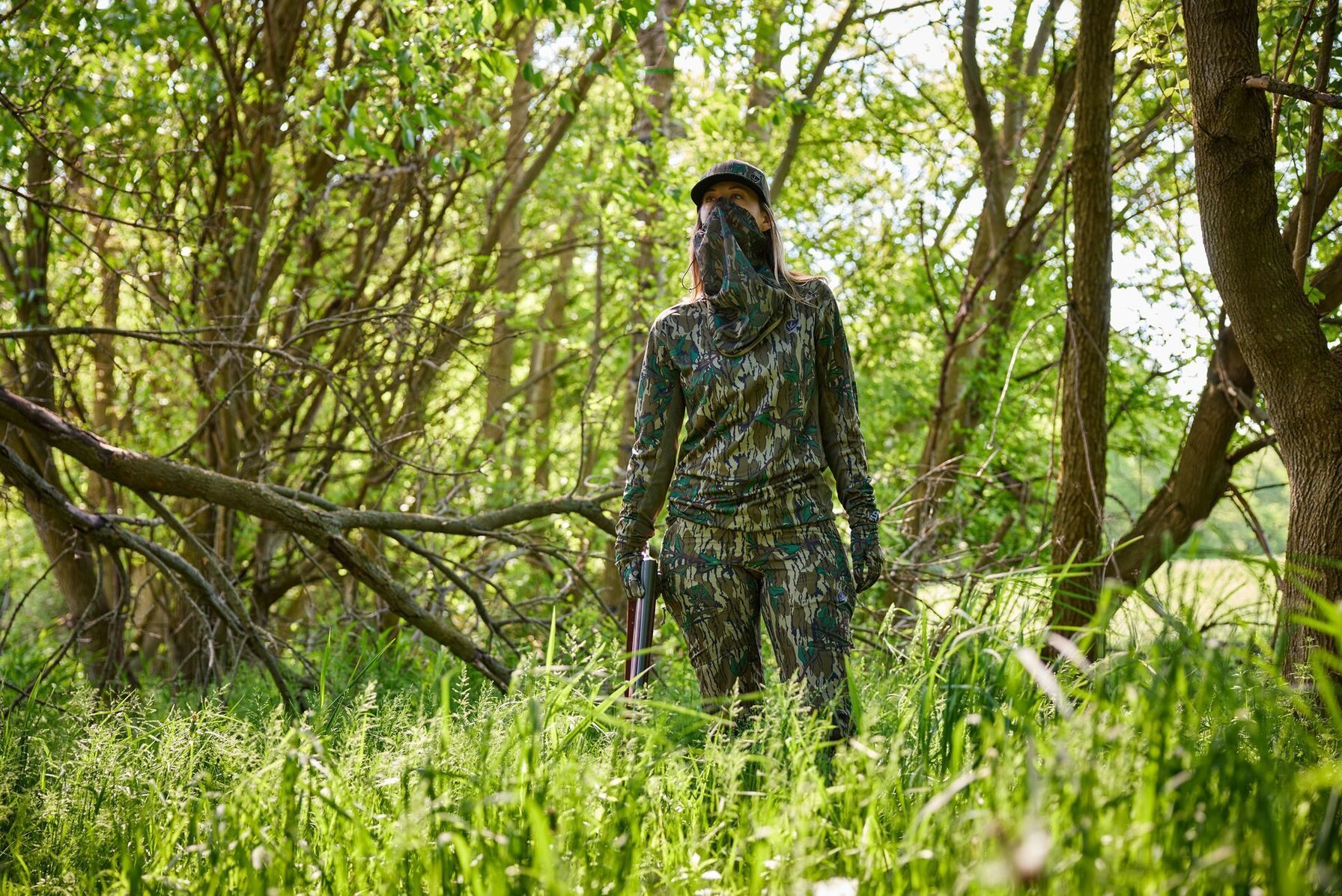
Georgia Bag Limits
How many turkeys, deer, or grouse can you bring home this season? To comply with Georgia hunting regulations, you must know the bag limits for everything you plan to hunt.
Georgia Hunting Season Bag Limits | |||
|---|---|---|---|
| Deer | 12 per season, statewide (no more than 10 antlerless and 2 antlered) | Rails | 15 per day, 45 in possession (King and Clapper) 25 per day, 75 in possession (Sora and Virginia) |
| Turkey | 2 gobblers per season (1 daily) | Snipe | 8 per day (24 in possession) |
| Bear | 2 per season (no more than 1 taken from central or southern zones) | Canada Goose (Early) | 5 per day (15 in possession) |
| Alligator | 1 per quota permit | Canada Goose and White-fronted Goose | 5 combined per day (15 in possession) |
| Fox and Bobcat | No limit | Coot | 15 per day (45 in possession) |
| Dove | 15 per day (45 in possession) | Duck | 6 per day (18 in possession) |
| Grouse | 3 per day | Gallinules | 15 per day (45 in possession) |
| Sea Duck | 4 per day (12 in possession) | Merganser | 5 per day (15 in possession) |
| Woodcock | 3 per day (9 in possession) | Teal | 6 per day (18 in possession) |
| Quail | 12 per day | Rabbit | 12 per day |
| Squirrel | 12 per day | ||
Before You Hunt Georgia: Your Checklist
Hunting in Georgia takes some paperwork before you ever step into the woods. The rules change with your age, your residency, and the land you hunt.
Use this checklist to get your education, licenses, and reporting requirements squared away before opening day.
- Complete your hunter education: Anyone born on or after Jan. 1, 1961 needs it to buy a season hunting license. However, apprentice and short-term licenses are exempt, as is hunting your own land or a parent’s land. Georgia residents can take the course online through Hunter-Ed. Nonresidents can take their own state’s course.
- Get your Georgia hunting license: Most hunters 16 and older need one. Buy it online through Georgia DNR’s Go Outdoors Georgia system, in the Go Outdoors GA app, by phone, or from an official agent. Residents under 16 are exempt. Seniors still need a license, but free and discounted options exist.
- Get your Big Game license: You need it, along with a base hunting license, to hunt deer, bear, or turkey.
- Harvest Record: It is free and required for alligator, bear, deer, and turkey hunters of all ages. Get a new one each season.
- Get a GA Waterfowl & Migratory Bird License: You need it to hunt doves, ducks, geese, and other migratory birds if you are 16 or older. Duck and goose hunters 16 and older also need a Federal Duck Stamp.
- Report your harvest: Report alligator, bear, deer, and turkey through Georgia Game Check within 24 hours. Bears must also be tagged in person by DNR.
- Check local rules: Some counties and areas have special weapon or season rules. Wildlife Management Areas set their own dates and require sign-in.
- Open HuntWise: Mark your parking, access, and stand waypoints before opening day.
Paperwork covers half the job. Log your deer, turkey, or bear on your Harvest Record before you move it, then report it within 24 hours.
On a Wildlife Management Area, sign in before you hunt. All of this goes smoother when you know where you parked, how you walked in, and where your stand sits.
Mark those spots in HuntWise before opening day so you can spend your morning watching the woods instead of searching for the trail.
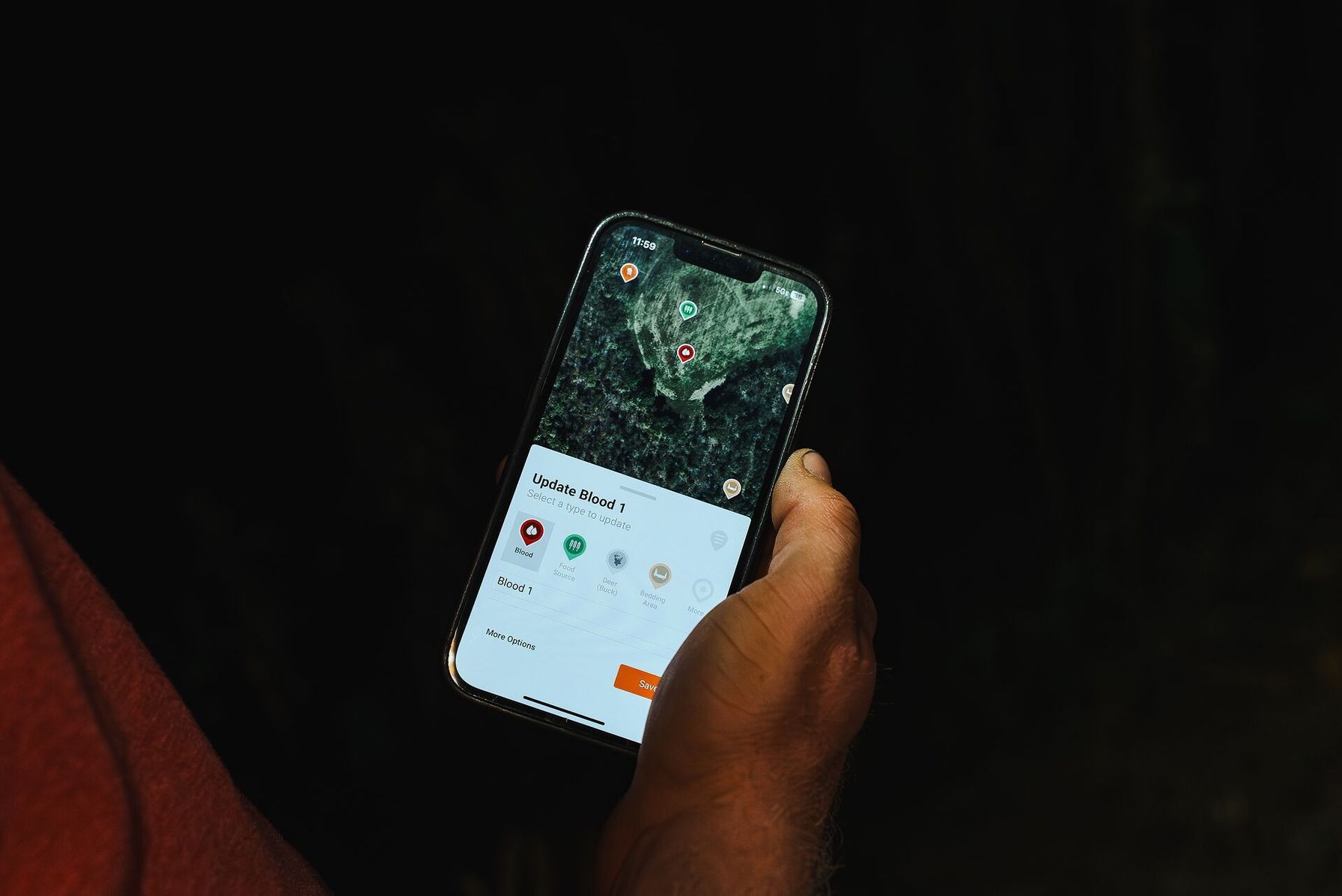
How to Set Up HuntWise for Georgia Hunting
Georgia hunters work with a mix of Wildlife Management Areas, National Forest land, and private timber tracts. Knowing where public ground ends keeps your hunt legal and your scouting efficient.
Set up HuntWise before you head out, and you’ll walk in with a plan. A few steps below need a Pro subscription, and we flag those as we go.
- Download HuntWise and create a free account. The free tier includes full US mapping, a limited HuntCast forecast, and one offline hunt area. Pro and Elite both start with a seven-day free trial.
- Open the map and zoom to Georgia, or to the county you hunt.
- Open the Layers menu and turn on Public Land to see Wildlife Management Areas and National Forest land.
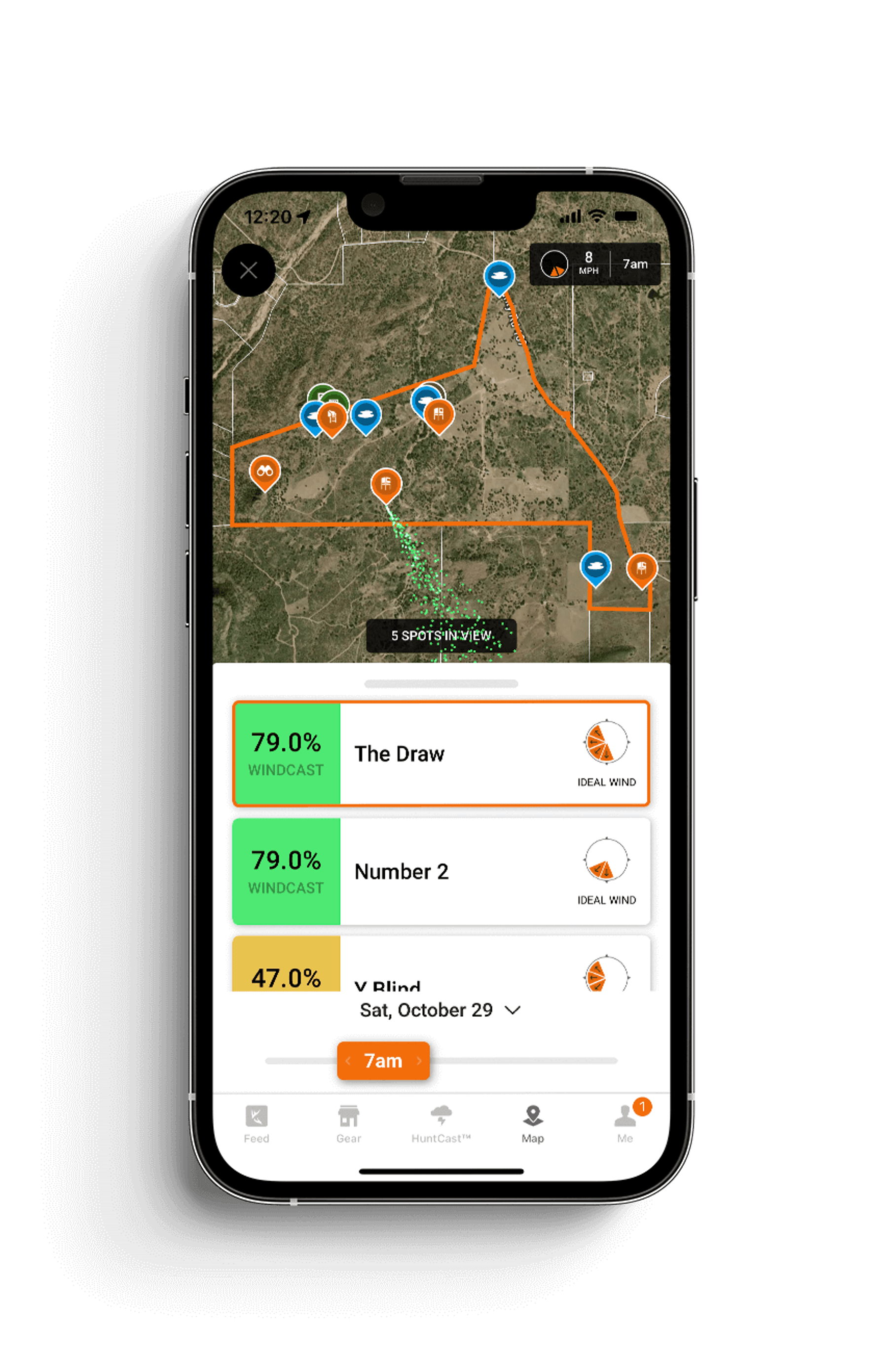
- Turn on Property Lines in satellite hybrid view to see parcel boundaries and where public ground ends. Nationwide property lines require a Pro subscription (which you can try for free during your free trial).
- Add the topo overlay and scout ridges, creek bottoms, field edges, water, and timber before you walk in.
- Drop waypoints for parking, access routes, and stand sites.
- Check HuntCast and WindCast for your hunt day, then plan your entry and exit around the wind. WindCast also requires a Pro subscription.
- Download offline maps at home before you lose cell service. The free tier saves one offline hunt area. Pro unlocks unlimited areas.
Once your map is set, spend an evening reviewing it before you hunt. Walk through your route on screen, use WindCast to check the wind for each stand, and pick a backup spot.
Treat the property lines as a scouting aid, not a legal boundary. Rural parcel data can drift, so confirm WMA boundaries and rules with Georgia DNR. Then head out with your map saved offline and your stands marked.
Where to Hunt in Georgia: Scout Public and Private Land in HuntWise
Georgia hunters hunt private land, Wildlife Management Areas (WMAs), and Chattahoochee-Oconee National Forest land, and the rules can change from one to the next. HuntWise puts them on one map, so you can see which land you’re on before you plan a hunt.
- Find public land. Turn on the Public Land layer to see WMAs and National Forest boundaries.
- Confirm the line. Turn on Property Lines so you know exactly where public ground stops and private ground begins. Nationwide property lines require HuntWise Pro.
- Identify the owner. Tap a parcel to see ownership details from public records, then ask permission in person. Landowner contact details require Pro.
- Read the terrain. Add topo over satellite hybrid, and look for ridges, creek bottoms, field edges, water, and cover.
- Mark it. Drop waypoints for parking, trails, and stand sites.
- Take it with you. Download your hunt area for offline use before you lose cell service. The free tier saves one offline area, and Pro unlocks unlimited areas.
Once you know which land you’re on, check the rules for that tract. Anyone 16 or older entering a WMA needs a Georgia license that covers hunting or fishing, or a Lands Pass. Some WMAs sit inside the National Forest, and Forest Service rules apply there.
Seasons and requirements can differ from National Forest land outside a WMA. Confirm the rules with Georgia DNR before you go, and treat the app’s boundaries as a scouting aid. Then mark your parking and stand sites, download your map, and head out with a plan.
Georgia offers deer, turkey, hog, quail, and bear hunting, so there's something to scout all year.
Georgia Land Types and What to Check in HuntWise | ||
|---|---|---|
| Land Type | What to Check Before You Hunt | HuntWise Layer |
| Private land | Landowner permission; parcel boundaries | Property Lines |
| Wildlife Management Area | Season and weapon rules for that specific WMA; access points | Public Land + waypoints |
| National Forest | Forest rules, which can differ from county rules; boundaries | Public Land + topo |
Plan Your Hunt: HuntCast, WindCast, and RutCast
Whatever you hunt in Georgia, choosing the right day and the right setup gives you an edge.
HuntWise has three planning tools that work together. HuntCast scores each day for your species, WindCast helps you pick a stand that fits the wind, and RutCast tracks the rut for deer hunters. Check them before every hunt, then plan your day around what they show.
HuntWise Planning Tools | ||
|---|---|---|
| Tool | What it Tells You | Use it When |
| HuntCast | A daily Huntability score from 1-10 built from barometric pressure, wind direction, moon phase, temperature, and historical animal movement | The night before and the morning of your hunt |
| WindCast (Pro) | Which of your stands fits the day’s wind direction | Choosing your setup and planning your entry and exit so game doesn’t smell you coming |
| RutCast (Elite) | County-level tracking of each phase of the whitetail rut | Planning deer hunts around the rut |
Planning by Species
Georgia offers deer, turkey, bear, waterfowl, doves, small game, and feral hogs, and each one calls for a different plan. The same HuntWise tools can apply to all of them. You use them differently depending on what you hunt.
Use this table to pick the right tools for your species.
Using HuntWise to Play Your Georgia Hunt by Species | |
|---|---|
| Species | How to Use HuntWise |
| Deer | Find travel routes and bedding cover on topo and satellite. Check HuntCast and WindCast before each sit; use RutCast to time the rut. |
| Turkey | Mark roost areas and strutting fields as waypoints while you scout. Use Property Lines to know which side of the line you’re on. |
| Bear | Plan your approach with WindCast, since bears have a strong sense of smell. Mark travel routes and access points |
| Waterfowl and dove | E-scout water and fields on satellite. Check WindCast when you choose a spot or set decoys. |
| Small game | Confirm boundaries with Property Lines. Drop a waypoint where you find sign. |
| Feral hog | Check WindCast for your approach. Use Property Lines to confirm permission and boundaries. |
Gear Up Before You Hunt
Depending on the area and game you hunt, you’ll also want to pack the right gear (like a good pair of binoculars). From decoys to optics, clothing, and more, HuntWise users save 10-40% on gear from our app partners. Use this discount to make sure you have everything you need in the field to tag out.
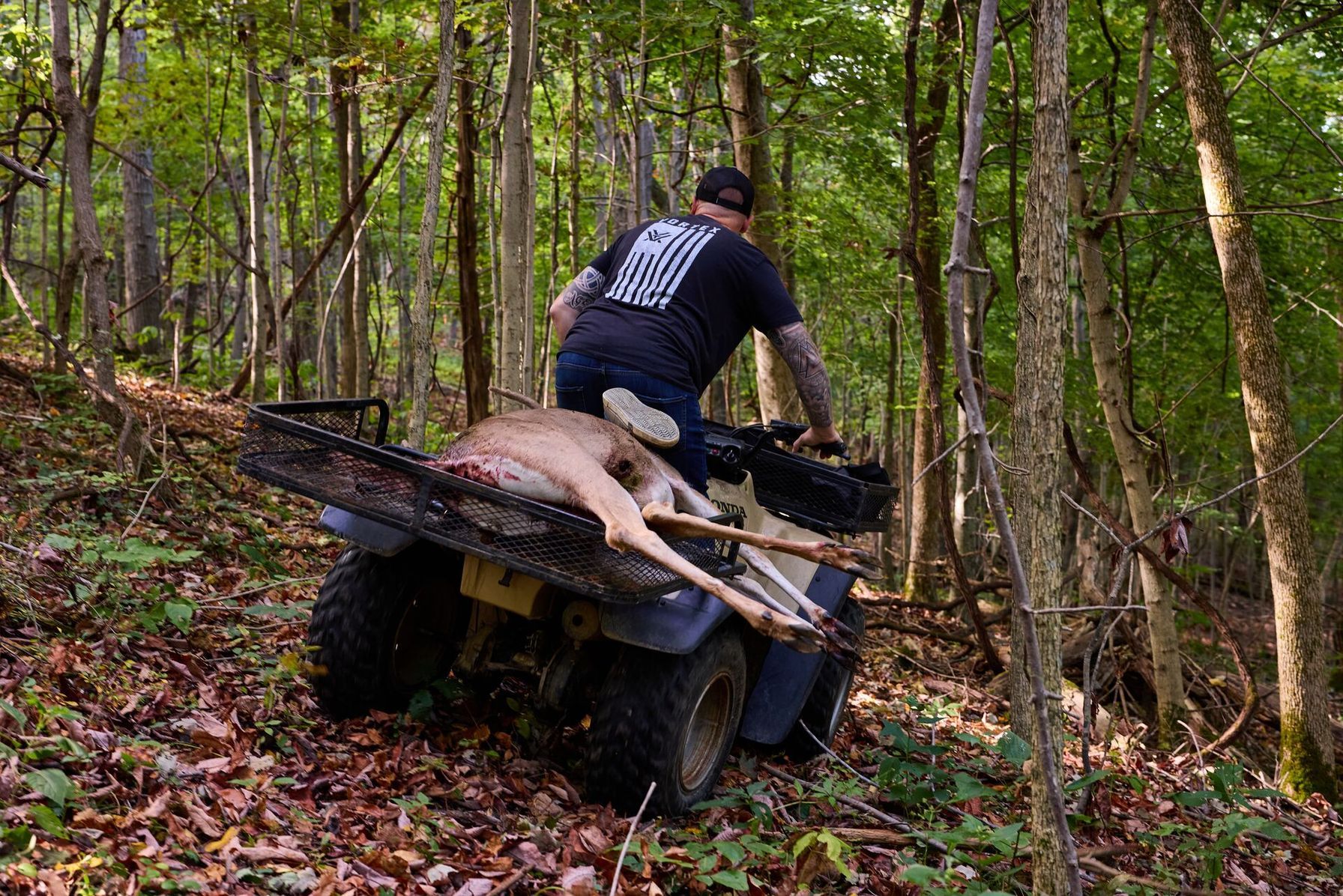
HuntWise Helps You Tag Out for Georgia Hunting This Season
If you’re anything like the HuntWise team, you’re counting down the days until you can get out in the field. We hope this information helps you plan a successful Georgia game hunt this season!
Before you plan your hunt, download the HuntWise app. You’ll be able to plan your hunt more strategically to gain an advantage over other hunters. Using our WindCast feature, you can choose a day to hunt during the open season and plan your entry and exit based on wind direction — so animals don’t smell you coming.
You’ll be ready to hunt when the season opens.
Content most recently reviewed and updated for the latest season dates and details November 3, 2026.
Frequently Asked Questions (FAQs)
We have answers to some of the top questions about Georgia hunting seasons!
Q: What do I need to hunt in Georgia?
A: To hunt in Georgia, most hunters 16 and older need a Georgia hunting license. To hunt deer, bear, or turkey, you also need a Big Game license and a free Harvest Record. Hunters born on or after Jan. 1, 1961 must complete hunter education to buy a season license. Migratory bird hunters 16 and older need a GA Waterfowl & Migratory Bird License, and duck and goose hunters also need a Federal Duck Stamp.
Q: What animals can you hunt in Georgia?
A: Georgia hunters pursue deer, turkey, bear, feral hogs, and coyotes. Small game includes squirrel, rabbit, quail, grouse, raccoon, opossum, fox, and bobcat. Migratory birds include doves, ducks, geese, woodcock, and snipe. Alligator hunting is limited by zone and quota. Seasons, bag limits, and legal methods vary by species and by area.
Q: Where can I hunt in Georgia?
A: You can hunt private land with the owner’s permission, Wildlife Management Areas (WMAs), and Chattahoochee-Oconee National Forest land. Anyone 16 or older entering a WMA needs a Georgia license that covers hunting or fishing, or a Lands Pass. Rules differ by tract, so check the regulations for the specific area before you go.
Q: How do I find public hunting land in Georgia with HuntWise?
A: Open the HuntWise map, zoom to your county, and turn on the Public Land layer. It shows WMAs and National Forest boundaries. Then add Property Lines to see where public ground ends and private ground begins. Drop waypoints for parking and access points so you can find them on hunt day.
Q: Does HuntWise show property lines in Georgia?
A: Yes. HuntWise Pro includes nationwide property lines, and tapping a parcel shows ownership details. Treat the lines as a scouting aid, not a legal boundary, because parcel data can drift in some rural areas. Always get permission from the landowner before you hunt private land.
Q: Do I have to report my harvest in Georgia?
A: Yes. You must report any alligator, bear, deer, or turkey through Georgia Game Check within 24 hours. You can report in the Go Outdoors GA app, online, or by phone. Bears must also be tagged in person by DNR. Log your harvest on your Harvest Record before you move the animal.
Q: Where do I find official Georgia hunting season dates and regulations?
A: Georgia DNR’s Wildlife Resources Division publishes the annual Georgia Hunting and Fishing Regulations guide. It lists statewide seasons, bag limits, and WMA rules. The guide is also available through eRegulations. Season dates change each year, so confirm them in the current guide before you hunt.


