

Hunting invasive species such as starlings helps the environment, sharpens hunting skills during the offseason, helps build connections with landowners and the community, and gives you a chance to get outdoors and share your passion with someone else. Whether hunting with your first .22 or getting a shotgun workout, you can support starling pest control and help offset some of the ecological impacts of this species.
Here's what to know about hunting starlings.
What Are Starlings?
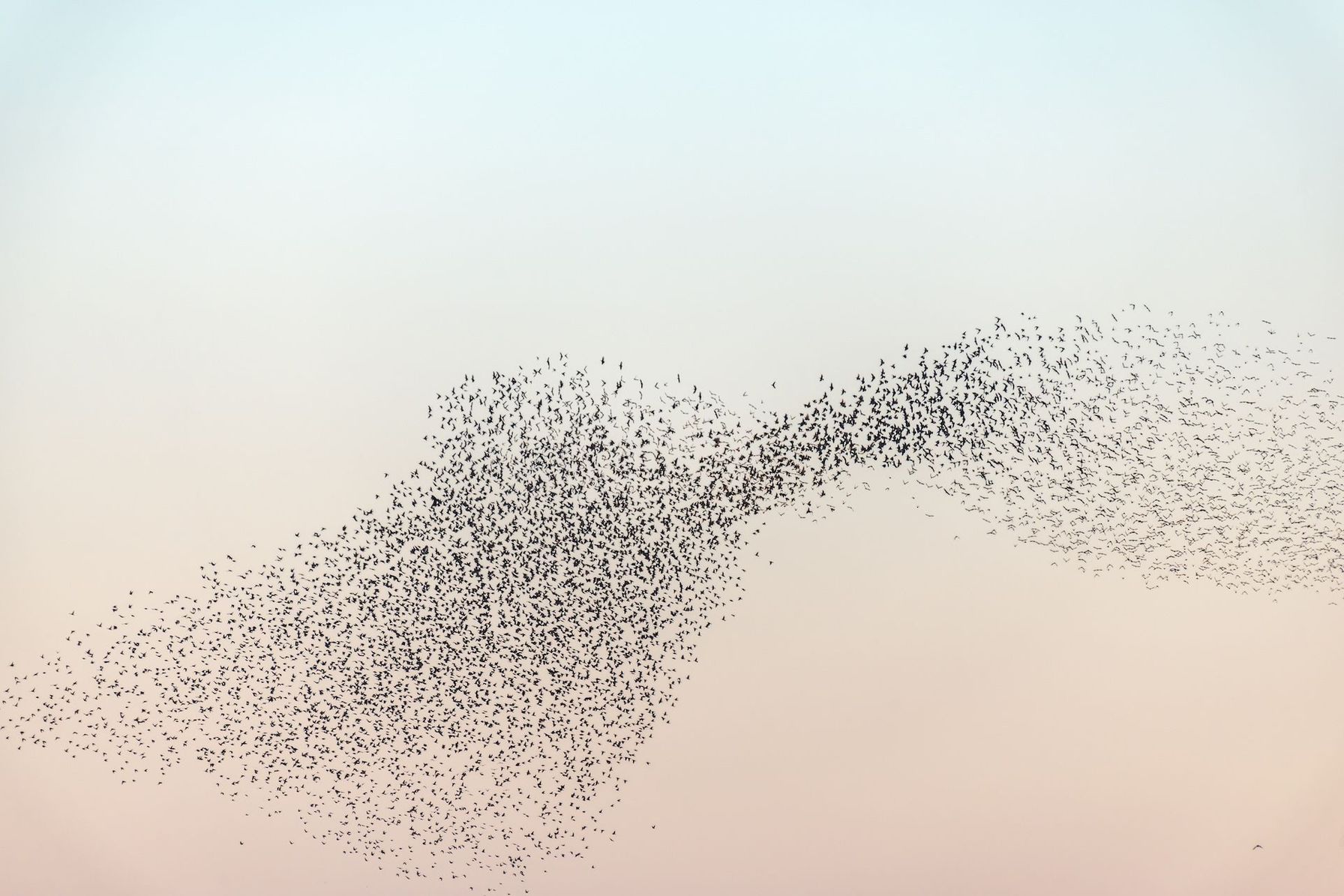
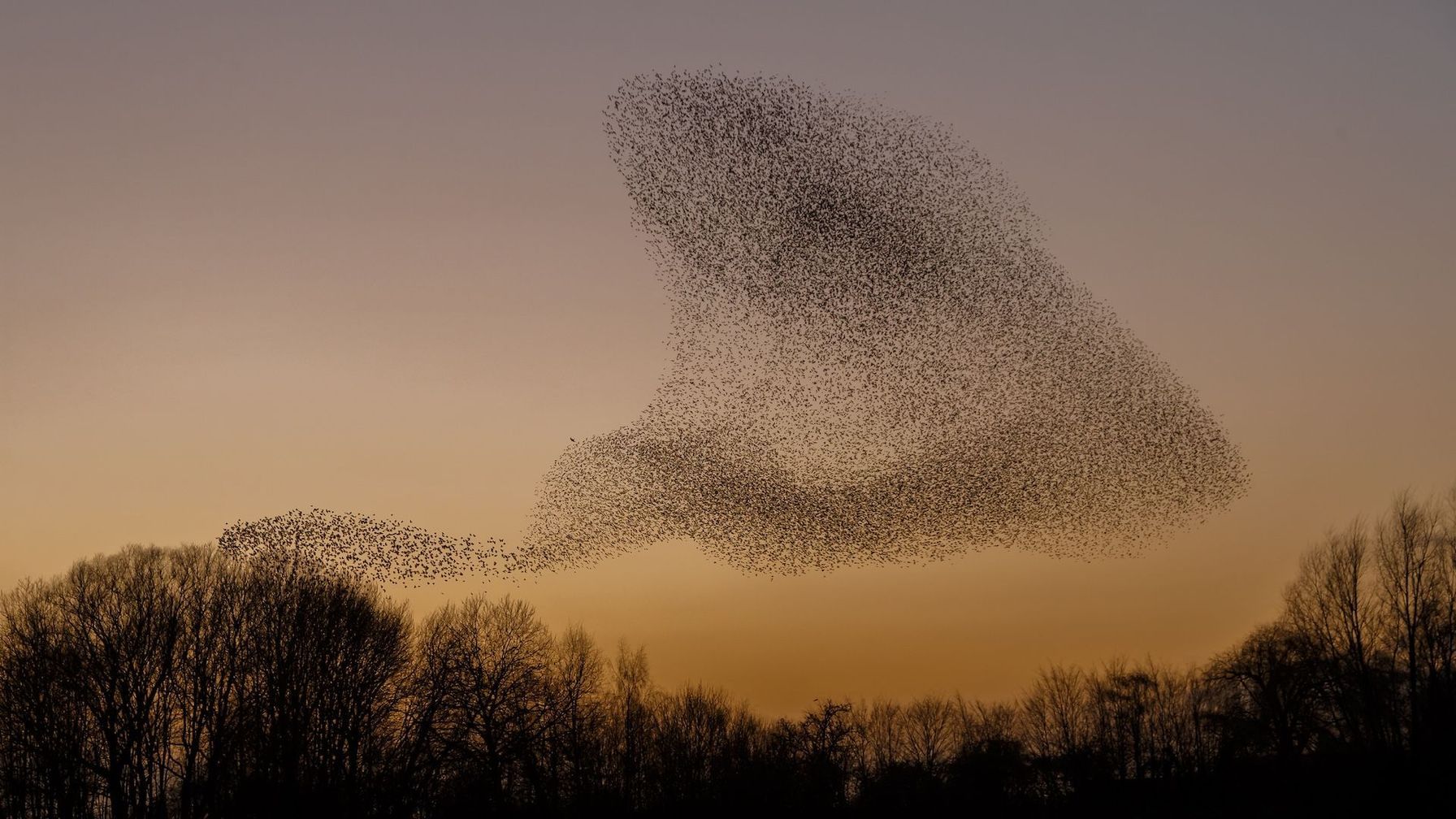
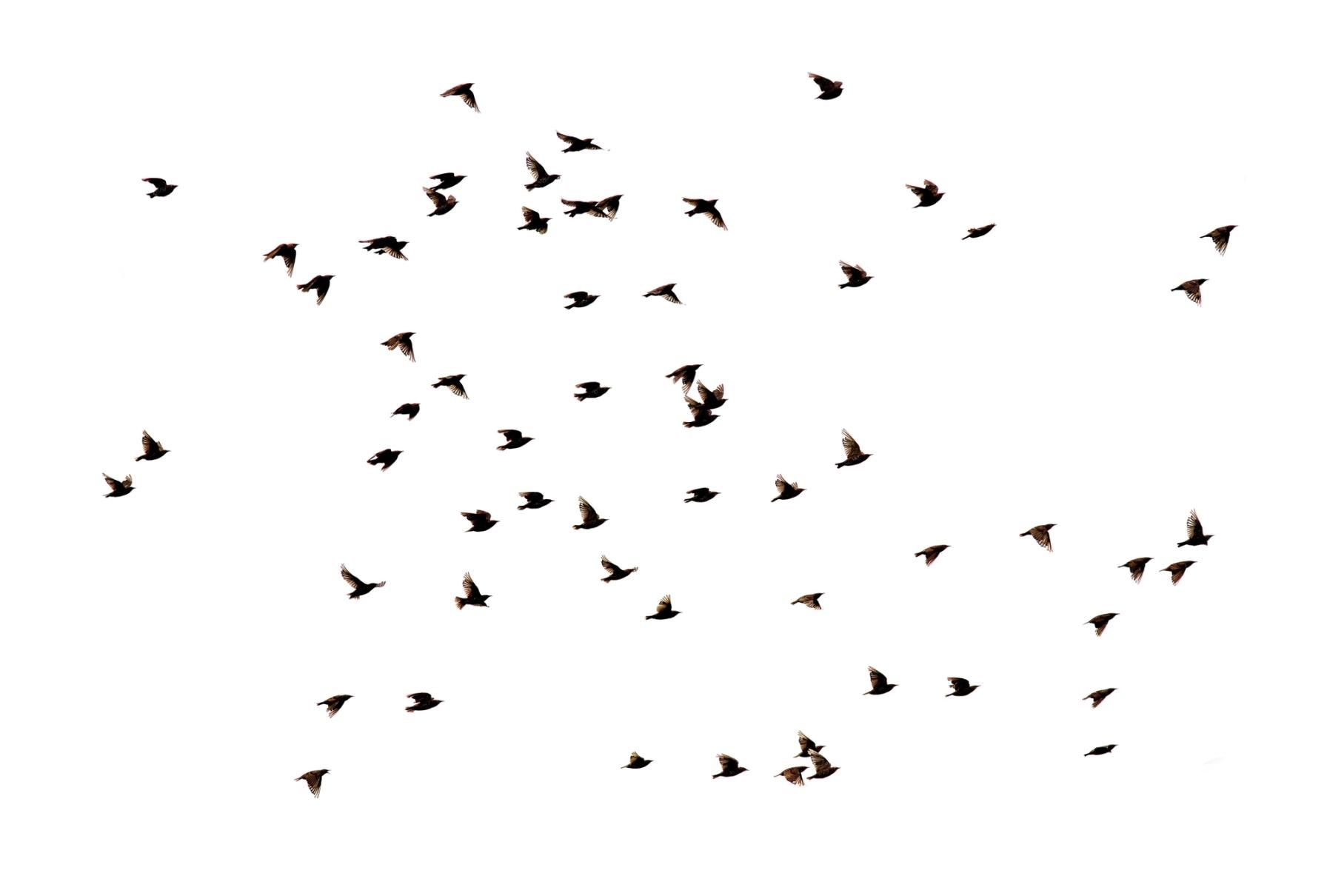
Starlings (Sturnus vulgaris) are songbirds native to Europe and Asia. They're recognizable by their dark, iridescent plumage, speckled spots, and ability to mimic sounds, and the males sport a distinct yellow bill. Starlings are known for forming large flocks called "murmurations," which can be devastating to agriculture.
Their story starts in North America in the late 19th century. According to a popular legend, 60–100 of the birds were first released in Central Park by a Shakespeare fan and bird enthusiast, Eugene Schieffelin, to populate the park with the birds mentioned in Shakespeare's works. Whether this story is true or not, the starling population skyrocketed, and some sources estimate there are more than 200 million of the birds in North America today.
Why Are They Considered Invasive?
Starlings are considered invasive primarily because of their introduction by humans, the ecological and economic damage they cause, and their extreme population growth.
These birds are aggressive nesters, and they seek out cavities that would otherwise house native species such as woodpeckers, swallows, and bluebirds. This competition directly affects breeding success and food availability.
What is an Invasive Species?
Invasive species are non-native to an ecosystem, and they cause (or are likely to cause) harm. Due to a lack of natural predators, invasive species often displace native species.
As a result, hunting invasive species is typically far less regulated than other hunting pursuits.
Can Hunting Invasive Species Help Control Their Population?
If you help a friend with starling pest control at farms, orchards, or livestock facilities, then hunting can help reduce damage. However, though recreational hunting removes individuals, it usually doesn't make a significant dent in the overall starling population.
To have an ecological impact, hunting invasive species needs to be coordinated, multimethod (including hazing, trapping, and exclusion), and well-timed, forming an integrated pest management approach.
Are Starlings Legal To Hunt In My State?
As an invasive species, starlings are not protected under typical migratory bird regulations, such as the Migratory Bird Treaty Act. You can hunt them without being subject to federal restrictions.
In most states, you can hunt or control starlings year-round with no daily bag or possession limits. Keep in mind that there may be specific local and state rules, such as regulations on hunting methods, especially in urban areas. Always seek permission before hunting on private land, even for pest control.
What Is The Best Time Of Year To Hunt Starlings?
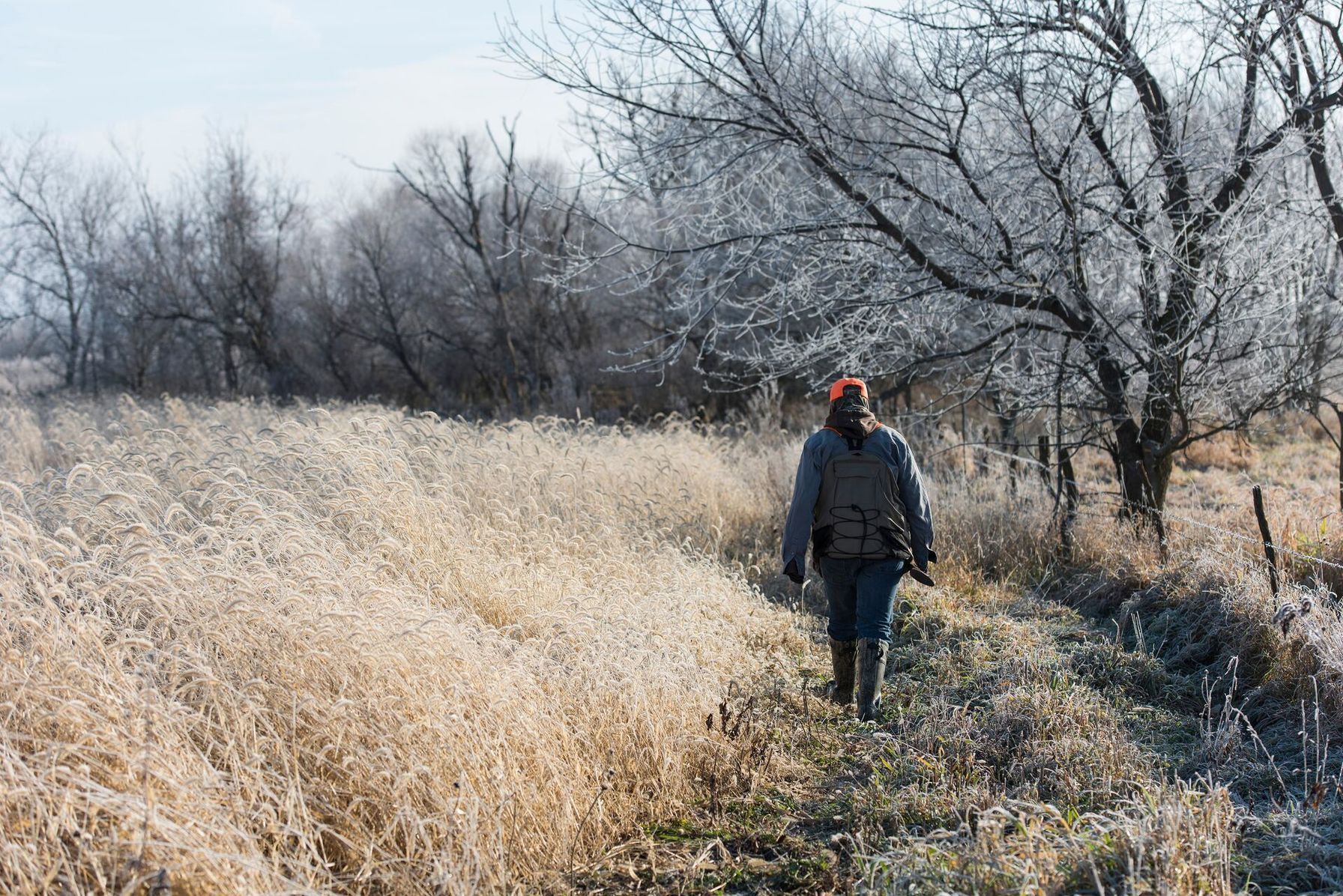
In most states, there is no defined starling hunting season. So, you can likely hunt them throughout the year, making starlings the perfect way to keep your firearm skills sharp and build relationships with private landowners at any time.
However, in terms of a "best time" to hunt them, starlings are dense in late summer and fall, when they gather in large flocks. In the winter, target starlings as they gather in roosts. Harvest season is a good time to approach landowners with offers to help control the starling population as the birds gather around crops and feedlots.
What Gear Is Best for Hunting Starlings?
Shotguns, such as a 20- or 12-gauge with lighter shot sizes #7.5 or #8, are popular options for legal starling hunting. Set up under a decent roost tree or near a transition zone where they make their way to feed.
Starlings are erratic flyers that move in huge flocks and can adjust direction and speed quickly. Hunting them will give you excellent practice before dove season.
Air rifles or .22-caliber rimfire rifles are standard options for precision pest control and a great way to introduce young or inexperienced hunters to the sport. Use calls and decoys to attract flocks to a particular zone. Short soft calls that mimic inter-flock chatter and whistles are also effective.
Do You Need a Hunting License to Hunt Starlings?
For legal starling hunting, you will likely need a relevant state general hunting license, which may include the completion of a hunter education course. Always confirm with state wildlife agencies before hunting, as specific restrictions on caliber or type of weapon may apply, as well as methods for hunting starlings.
Where To Find Starlings
Starlings can easily take over feed yards, and any kind of feedlot, livestock yard, or grain storage is likely to attract a large flock of these invasive creatures. Dawn and dusk are high-priority hunting windows, as birds flock in large communal roosts such as urban trees, wetlands, and barns.
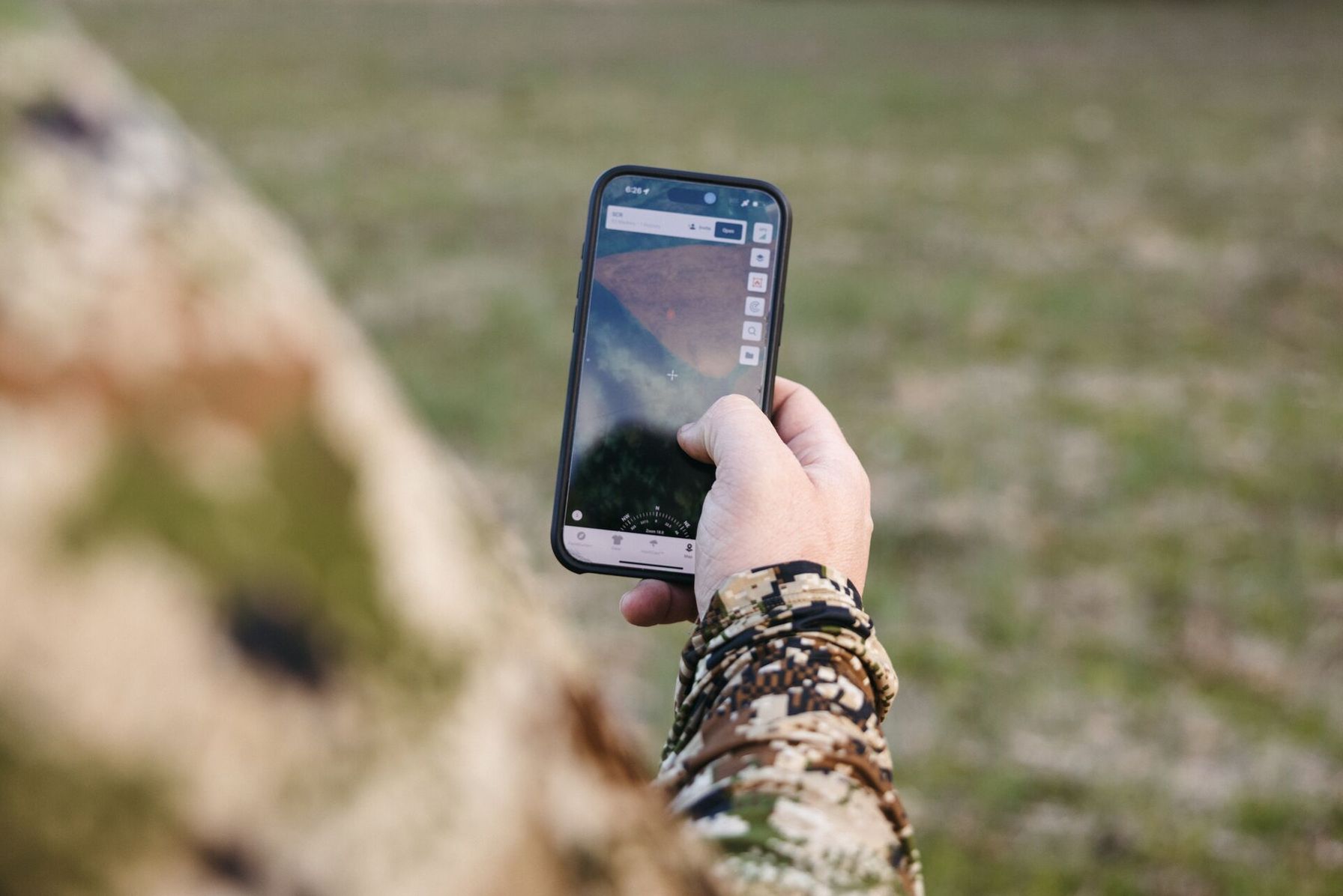
During the harvest season, starlings will gather around orchard vineyards and fruit crops (as well as fields and pastures post-cultivation) to feed on residual grain and seed. Jump on the HuntWise map and start marking transition zones between roosts and critical feeding areas with some in-person scouting to confirm predictable crossing paths.
Starlings flock up and shift from feeding to roosting in late summer, fall, and winter. Whenever you hunt them, always be aware of property boundaries, local hunting ordinances, and your proximity to urban areas.
How To Hunt Starlings
With a basic setup and a couple of starling hunting tips, you can learn how to hunt starlings over the quiet summer when so many seasons close.
To get started, confirm state or local rules and get landowner permission if you plan on hunting privately. Offering pest control is a great way to build relationships with private landowners during the off-season.
Hunt near roost exits, feed sources, or along flightlines, and use calls only where legal and ethical. If possible, target dawn- and dusk-hunting during late summer for the enormous flocks, and set up a blind or natural cover perpendicular to the flight lines to scout before burning some shells.
A shotgun, either 12- or 20-gauge, with small shot #7-1/2–#8, will work for flock shooting, and a .22 rimfire or air rifle will allow for more close-range single-bird shooting. Aim for quick, humane kills, and retrieve and dispatch wounded birds promptly.
If hunting for local control (such as on a friend's property), combine methods such as pair hunting, exclusion, netting, or trapping for maximum effectiveness.
Finally, follow all firearm safety rules, especially when hunting on private land or near urban areas. Always know what is downrange. When managing carcass disposal, follow all biosecurity practices, disinfect equipment, and change gear before interacting with livestock and farm animals.
Hunt Invasive Species With HuntWise
Starling hunting is the ultimate way to keep your shotgun fit during the long, quiet summer. It can be a great way to get out of the house, introduce young ones to hunting, and even start meeting local landowners and helping limit the damage these invasive birds can cause to agriculture.
For more hunting insights (including weather forecasting), as well as critical mapping tools that can help to target high-potential starling hunting zones, download the HuntWise app and explore the cutting-edge tools in your hands!
Download HuntWise and .
Frequently Asked Questions (FAQs)
We have answers to your questions about how to hunt starlings!
Q: Are starlings legal to hunt in my state?
A: In most U.S. states, yes, starlings are legal to hunt. European starlings are an invasive species and are not protected under federal law. However, some states or cities may still restrict methods, locations, or seasons.
Q: What is the best time of year to hunt starlings?
A: Late fall through winter is usually best for hunting starlings. This is when flocks are larger, and birds are more active during daylight hours. Since they’re often unprotected, there may be no closed season.
Q: What gear or ammo is best for hunting starlings?
A: To hunt starlings, hunters commonly use small-caliber air rifles, .22 rifles, or light shotgun loads. Check local rules on firearm discharge and approved equipment before heading out.
Q: Can hunting starlings help control their population?
A: On a local scale, yes, hunting starlings helps control their population, especially around farms or urban roosts.
Q: Do you need a hunting license to hunt starlings?
A: Often yes, you'll need a hunting license to hunt startlings, even though the birds are unprotected. Many states still require a valid hunting license and compliance with general hunting regulations.


