

Food plots are one of the most effective tools you can use to supplement forage and make your property more attractive to deer—and you don't need a lot of land or an agriculture degree to pull it off. In this guide to food plots for deer, we'll show you how to build a deer magnet from the ground up.
| In This Guide: |
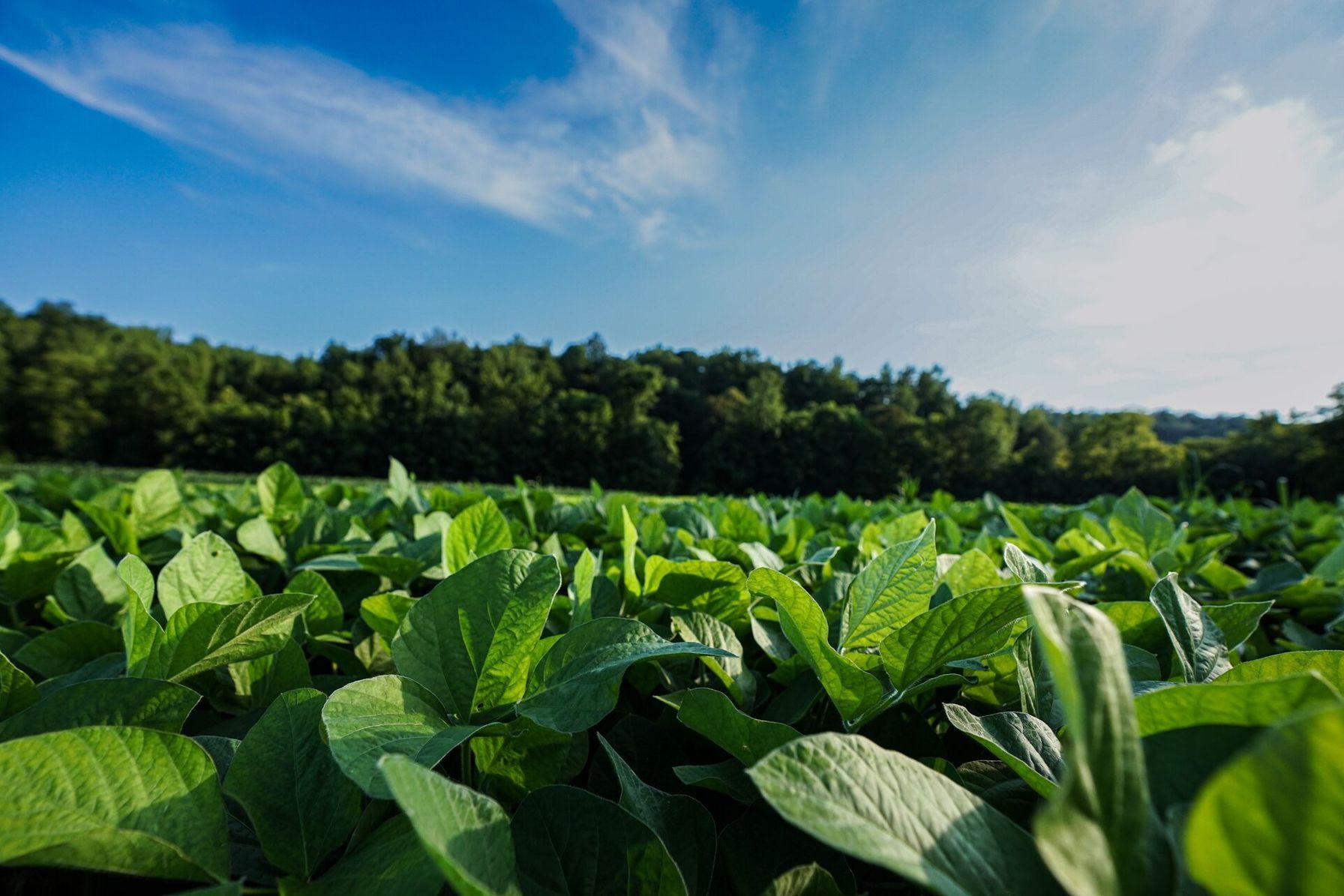
Understanding the Basics of Food Plots for Deer
A food plot is a cultivated area to attract and nourish wildlife, particularly deer. The purpose goes beyond just luring a buck into shooting range; done right, food plots can improve overall herd health, boost antler growth, support doe nutrition, and encourage predictable deer movement. They also benefit other wildlife, such as turkeys, by providing forage and open spaces for hunting protein-rich insects.
Whether you're working with 10 acres or 10,000, supplemental plantings can be the difference between a herd that's barely surviving and one that's genuinely thriving. Don't be afraid to start small if you need to. One well-managed quarter-acre plot can improve any property.
Choose the Right Location
| Where to Put a Food Plot for Deer: |
|
Choosing the right location can set your plot up for success before you ever break ground.
Size Matters
Plots of an acre or more function as primary feeding areas and are best suited for open fields or larger clearings.
Micro plots (sometimes called kill plots) are less than an acre and are ideal for tighter setups where deer, especially mature bucks, can feel comfortable and safe feeding during daylight. Big plots feed deer; small plots kill deer.
Smaller plots can become overgrazed under heavy feeding pressure. Until the plot can handle heavy browsing, I recommend that landowners use temporary fencing to prevent animal access.
Tools like HuntWise make planning a food plot easier. You can overlay terrain maps, pin potential plot locations, and identify natural funnels and bedding areas so your plot placement works with the land instead of against it. I add notes to food plot pins to keep all my planting information in one place.
| The Importance of Testing and Adjusting Soil pH: |
If you take only one thing away from this guide to food plots for deer, let it be this: Before you start looking at seed or other inputs, conduct a soil test.
Guessing on lime and fertilizer is one of the fastest ways to waste money and end up with an unproductive food plot. |
Know Your Soil Type
Not all dirt is the same, and it can even vary within a property. Seed and fertilizers will respond differently to chalky, clay, loamy, peat, sandy, or silty soils. Loamy soil is the gold standard for food plots, but most of us have less than optimal soil.
- Sandy soils drain quickly and work best with drought-tolerant species
- Heavy clay holds moisture but can compact and suffocate shallow-rooted systems.
The key to crop growth is matching your deer food plot seed selection to what you have, rather than what you wish you had.
Eliminate Competition from Weeds and Grass
Weeds and grasses compete directly with desirable plants for available sunlight, moisture, and nutrients.
Applying a non-selective herbicide, such as glyphosate, several weeks before planting will knock down existing vegetation. Let it die completely before you prepare your seedbed so you don't have to fight undesirable species the entire growing season.

How to Design an Effective Plot Layout
With a location picked out and the soil ready for planting, let's talk about how to design your food plot to attract plenty of deer!
Step 1: Consider the Shape
Plot shape can significantly affect how deer enter and use your food plot.
Irregular shapes like J, L, T, or hourglass configurations create natural pinch points that funnel deer through predictable pathways. A straight rectangular plot gives a deer too many entry and exit options, but corners and curves force them to move through specific zones (consider setting up your stands and shooting lanes in those areas).
Step 2: Select the Right Seed Mix
Quality seed with high germination rates is worth the extra cost for a better chance of success. Match your seeds to your soil type, climate, and the time of year you want to supplement forage and attract game to your plot. In most cases, a blend of perennials and annuals will give you the best overall performance.
Clover and alfalfa return year after year with minimal replanting and provide high-protein forage for spring deer plots and in the fall. Soybeans and brassicas are annuals that require replanting but offer tremendous attraction during the late season when native food sources grow scarce.
Step 3: Planting the Food Plot
Ideal plot sizes range from a quarter acre to two acres for most hunting situations. Spring and late summer are your primary planting windows, depending on the plant species and rainfall patterns in your area.
Prepare your seedbed by discing or tilling to loosen soil compaction and create good seed-to-soil contact. Plant at the correct depth—which ranges from about one-eighth inch for tiny clover seed to one inch for larger beans or brassicas—and pack the soil lightly after seeding, just before a good rain.
Step 3: Add Extra Attractants
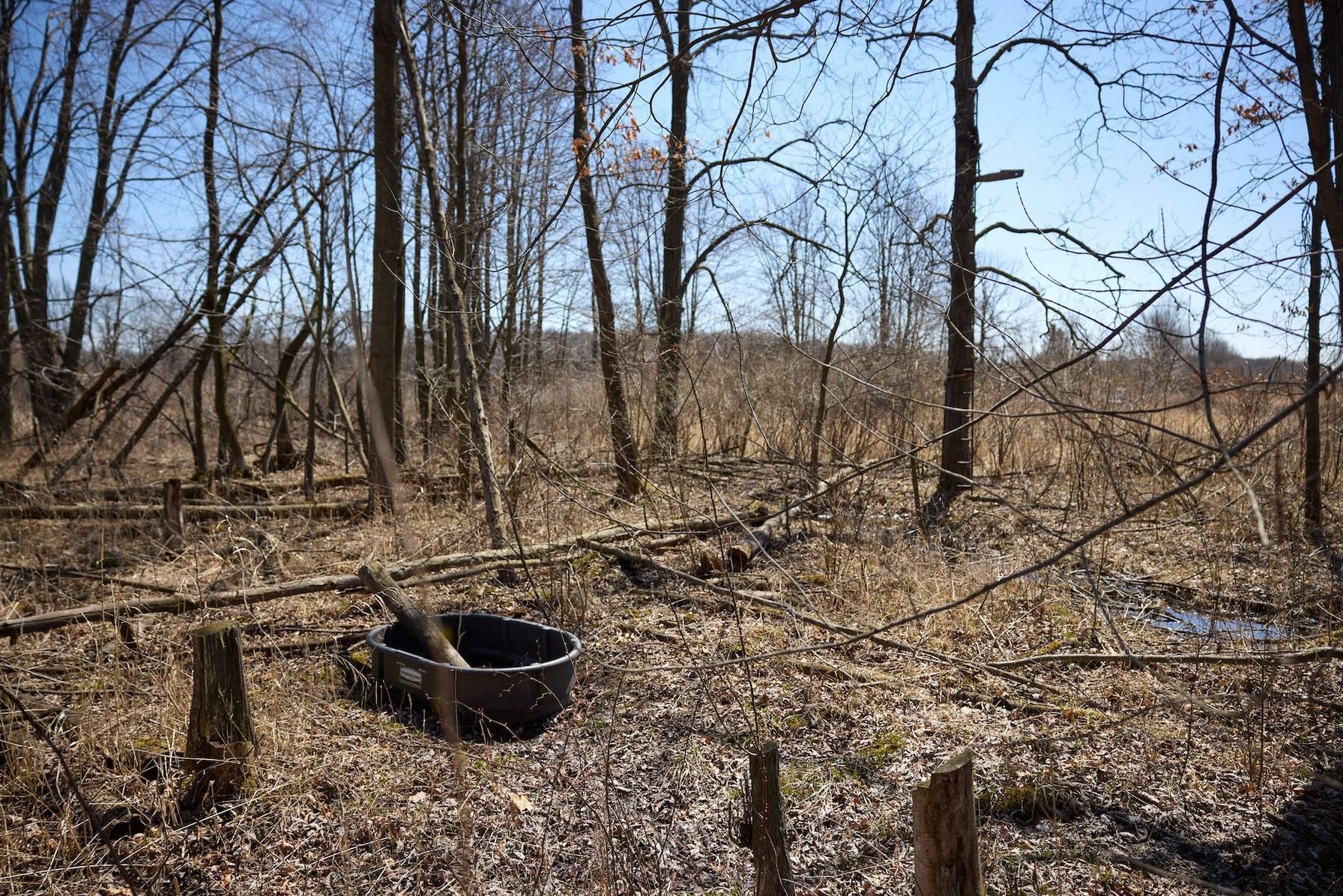
A food plot doesn't have to work alone: Adding water sources, mineral licks, and mock scrapes increases the appeal of a plot. Screening cover along plot edges gives deer a sense of security and encourages earlier entry during daylight hours while you are in your stand.
Plant switchgrass or Egyptian wheat, or hinge-cut trees on the edge of the plot to create screening cover and help funnel deer through entry points. Plan and manage your access routes carefully by designing pathways to your stands that align with the wind direction. This helps deer feel more secure by lowering the pressure of intrusive human activity.
Maintain Your Plot and Avoid Common Mistakes
Annual maintenance is what separates productive plots that attract game from glorified weed patches. Replanting annuals each season and mowing perennials, such as clover, two or three times a year, encourages fresh growth and suppresses weeds.
Soil sampling isn't just a one-time activity either. Pulling soil samples every few years helps you diagnose shortcomings and adjust your inputs as needed. The most common food plot mistakes are skipping soil tests, planting the wrong species for your area, planting too deep, and not planting with enough rain in the forecast.

Use HuntWise and This Guide to Food Plots for Deer to Attract Big Bucks
This guide to food plots for deer emphasizes core truths of plot planning: Start small, stay consistent, and actively improve your plots each year. The hunters who kill big deer consistently aren't always the ones with the most land; they're the ones who put in the sweat equity and pay attention to the details.
Use HuntWise to map your property, mark your food plots, and track deer movement relative to your plots over time. The data you collect season after season will help you make educated decisions to attract deer and improve the land that you steward.
Frequently Asked Questions About Food Plots for Deer (FAQs)
Q: What is the best layout for a deer food plot?
A: An L-shaped or long, narrow strip plot works best because it gives deer a sense of security with cover on multiple sides while allowing hunters good sight lines. Plots between 1–3 acres are ideal, positioned along natural travel corridors like field edges, creek bottoms, or ridge lines. Orient the plot so winds carry scent away from likely deer entry points, and always keep the plot near thick bedding cover to encourage daytime visits.
Q: What food plot attracts the most deer?
A: Brassicas (such as turnips, radishes, and rape) are widely considered the top attractant, especially from fall through winter, as deer are drawn heavily to them after the first frost sweetens the leaves. Clover is another top performer, offering year-round attraction and high protein content that keeps deer returning consistently. Combining both in a single plot (a warm-season and cool-season blend) creates a destination plot that holds deer year-round.
Q: What is the best poor man's food plot for deer?
A: Cereal rye, winter wheat, or oats are the best budget-friendly deer food plot options, as seed is inexpensive, widely available, and easy to establish with minimal equipment. Simply mowing or disking an existing field edge and broadcasting seed before a rain can produce a productive plot for under $20–$30 per acre. Clover is another economical choice because it reseeds itself and returns year after year, giving you long-term value from a single low-cost planting.
Q: What is the number one food source for deer?
A: Acorns, particularly white oak acorns, are widely regarded as the number one natural food source for deer due to their high carbohydrate content and palatability. When acorns are available in the fall, deer will abandon nearly every other food source to feed on them, making white oak trees some of the most valuable hunting locations. Outside of mast crops, agricultural crops like soybeans and corn are the top food sources in farming country, providing high protein and energy heading into winter.


