

In the winter doldrums, hunters may be able to achieve the success that was unattainable earlier in the year. Let's review the late season deer hunting tips that could help in finding bucks after the rut.
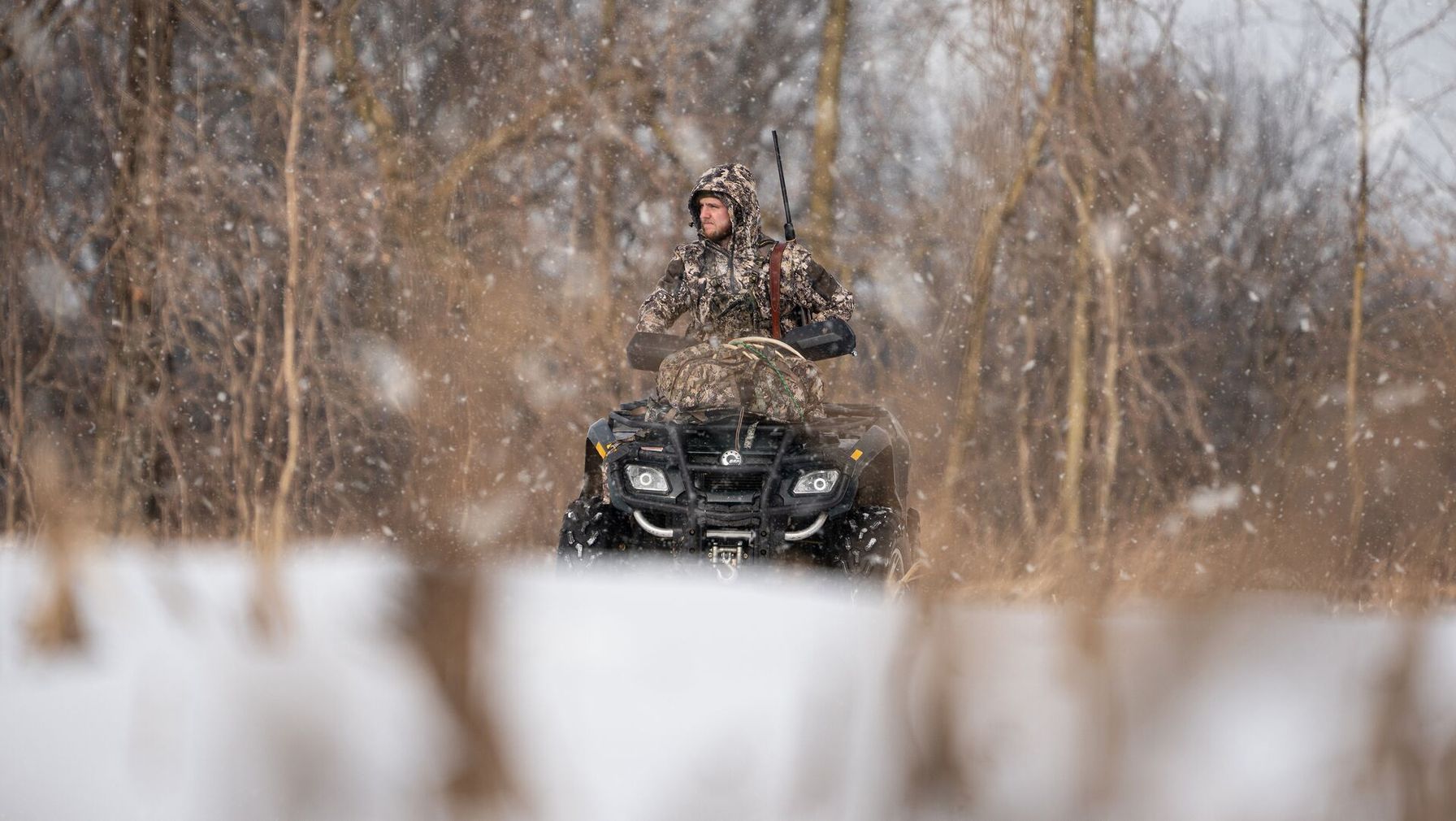
Grizz Media
What Is a Winter Doldrum in Hunting?
The period after the rut is often called the "winter doldrums." During this time, deer activity generally slows down compared to previous weeks. In a winter doldrum, late-season or winter feeding patterns have yet to stabilize.
The rut strains the health of bucks and does alike. Imagine waking up to run five miles, going to work, running another five miles, and eating only a pack of crackers all day. Repeat this process for two weeks, and you'll have a better sense of what it's like to expend the energy of a buck during the rut.
What Do Bucks Do After the Rut?
After the rut, bucks will begin to prioritize rest and food to replenish any of their lost fat and muscle mass. As winter approaches, these deer know they must recover, or they may not make it through the winter months.
Many bucks will also have to recover from injuries sustained due to other bucks or hunters. A lodged bullet or nonfatal broadhead can take a while to heal and have lasting effects on animals as well.
Where Do Bucks Go After the Rut?
When you're focusing on finding bucks after the rut, remember they tend to reduce their movement and travel at this time. The stress of the rut and hunting pressure (especially on public lands) usually forces them to shift their movement to nighttime hours.
Darkness is a buck's security blanket: he knows hunters aren't pursuing him during this time, and he can snooze his alarms momentarily. Don't get me wrong: deer still have to worry about other predators, especially at night when most predators are out hunting.
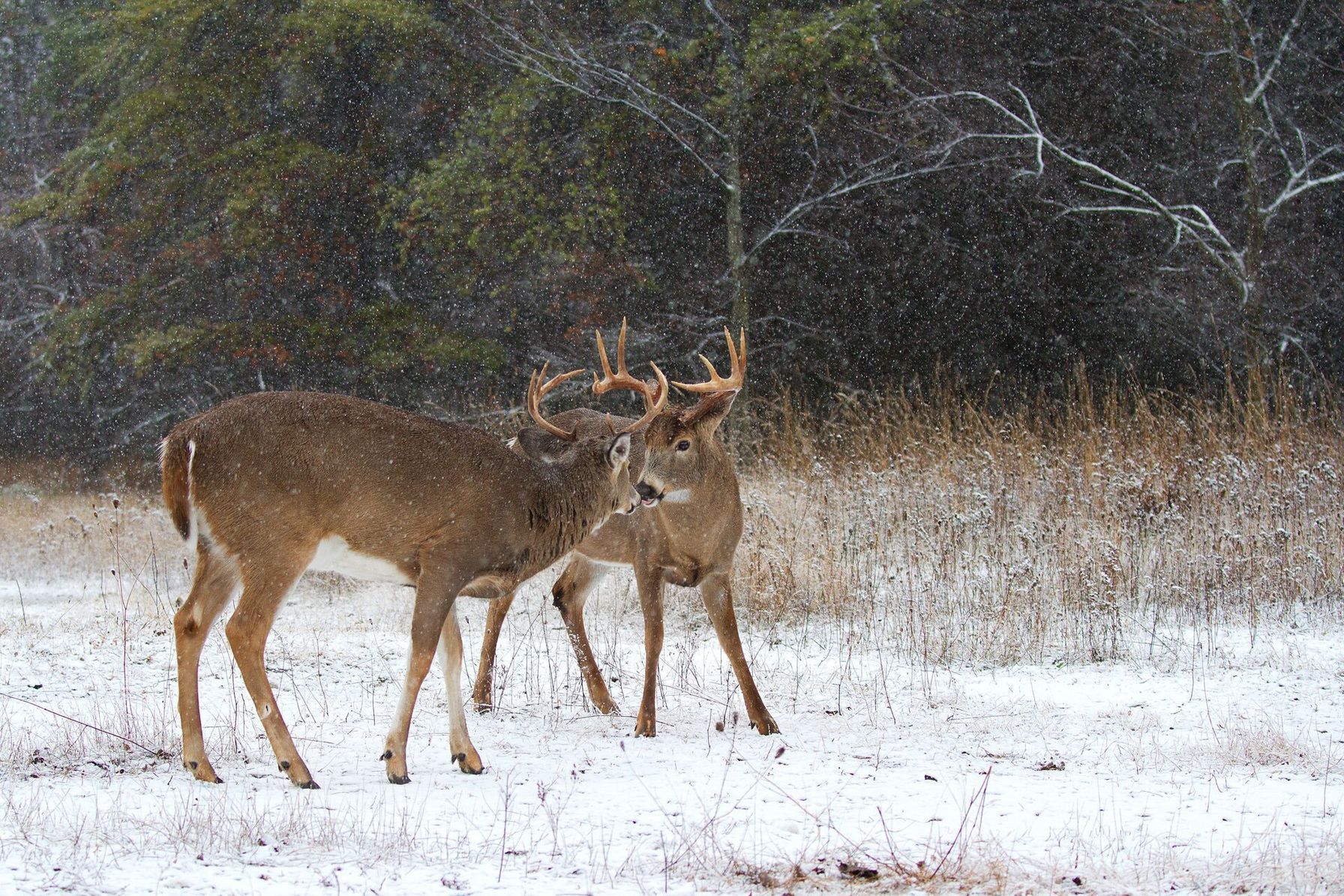
How Do You Hunt Late Season Bucks?
After the rut, avoiding pressure from hunters is a top priority for most deer. Your best bet is to hunt transitions between their bedding areas and good food sources for late season deer.
One of my late season deer hunting tips is to focus on water sources on public lands: food is sparse and scattered throughout the public timber, making it challenging to locate where a target buck might be. It's just as easy to suffer from dehydration in the winter as in the summer, and any living being will need water before food.
While hunting or scouting, keep an eye out for dry creek beds, where you may be able to stumble upon a watering hole. If the creek bed is full of different animal tracks, odds are it's the only nearby water source. I also use HuntWise to search for old farm ponds.
What Do You Do When a Deer Hunt Is Slow?
Hunting bedding areas can be a beneficial strategy for deer hunting after the rut. If you know where a buck lays his head during the day, and you slip into that spot before daylight, you might just beat him home.
Deer often congregate where you least expect them, so step out of your routine of sitting in the same few stand locations while post-rut buck hunting. In heavily pressured spots, deer will even bed close to public land access points, homes, and roadways.
Deer notice patterns and can tell when hunters frequent an area. I have better luck not hunting the same location more than a few times, and I've begun jumping around, even on the same properties. Leave no stone unturned when deer hunting after the rut.
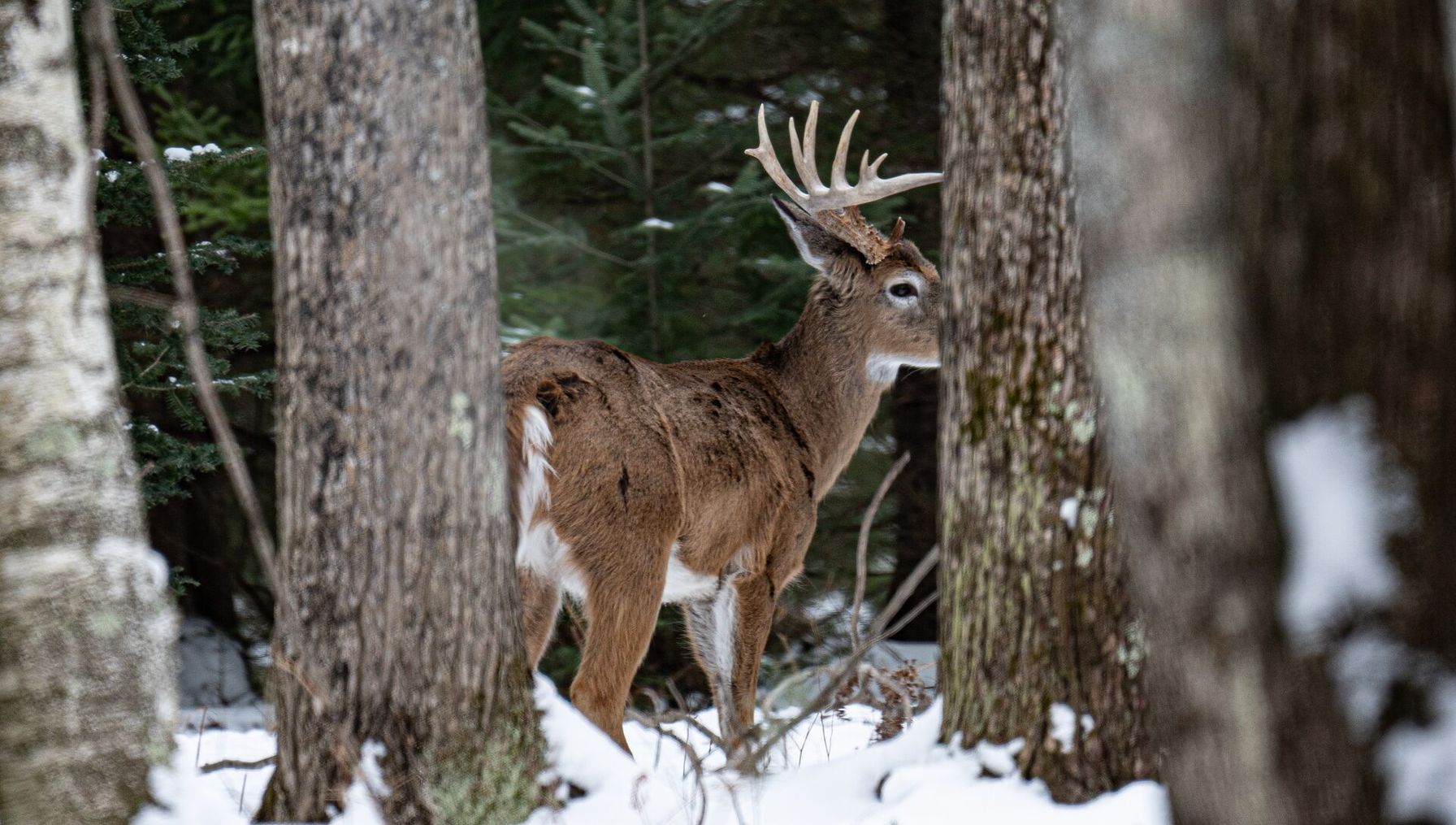
LiDAR mapping in the HuntWise app has been a game-changer for me. It shows the lay of the land much better than conventional topographical mapping, and it's helped me locate perfect benches, transitions, and pinch points that bucks tend to bed on and travel through.
Weather and Finding Bucks After the Rut
Change in weather patterns will also dictate a deer's movement. Deer tend to feed earlier in preparation for the possibility of having to hunker down and ride the storm out. If the cold is going to settle in for some time, that should have them moving more often.
Deer burn calories while moving around, but produce more body heat; if they stay bedded, they burn substantial calories trying to regulate their body temperature. While moving, they can actively feed and replenish spent calories, which they cannot do while bedded.
I enjoy the cold weather and being out in it. If the cold shakes you to your core and discourages you from hunting, I suggest investing in a hunting blind as part of your winter deer hunting strategies. Box blinds are also great, but they tend to be a bit pricier than standard ground blinds.
I've seen hunters construct small log-cabin-style hunting blinds. Gathering brush to build a blind is another great option. Nearby evergreens can do wonders by helping to keep out the cold winds. Remember to pack plenty of hand warmers, invest in a small propane heater, and fill up a thermos with some coffee.
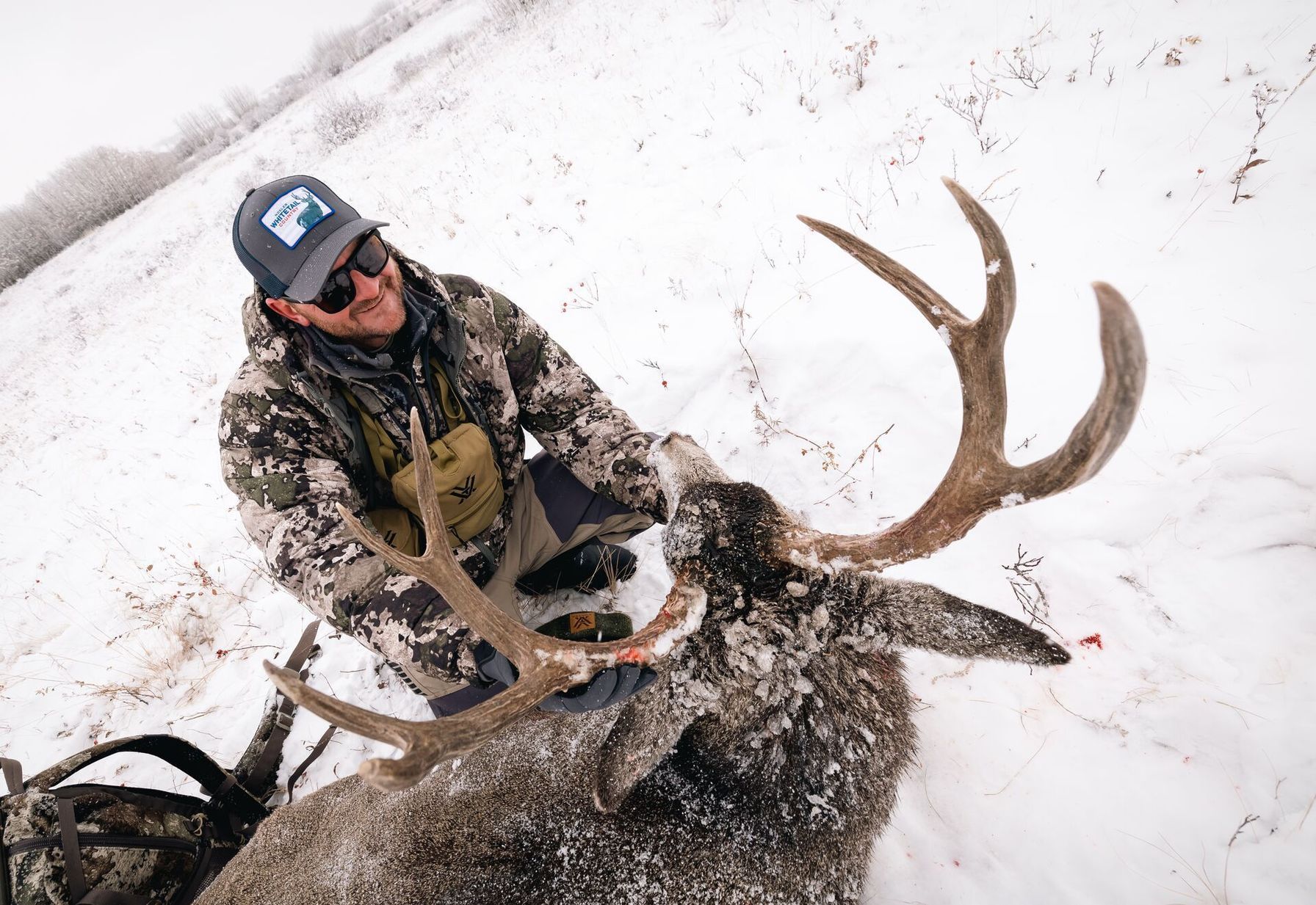
HuntWise Improves Your Winter Deer Hunting Strategies
HuntWise helps you find the best places to hunt in the winter, track deer movement, and log buck activity for better hunting strategies.
Use your HuntWise app to mark any deer sign or activity with pins. Note food sources, watering holes, bedding areas, fresh rubs, revisited scrapes, and trails. It helps to have those extra puzzle pieces in your app to better understand how those deer are using your hunting area during post-rut buck hunting.
If you have not downloaded HuntWise, start your free trial today! Since I added it to my hunting arsenal, it has become a necessity. I wish you the best of luck this late season, and I hope you find success!
Frequently Asked Questions (FAQs)
We have answers to common questions about finding bucks after the rut!
Q: What do bucks do after the rut?
A: After the rut, bucks rest, feed heavily to regain lost body weight, and reduce movement except during prime feeding times.
Q: Where do bucks go after the rut?
A: After the rut, bucks shift to secure bedding areas close to reliable food sources, often seeking thicker cover for safety and energy conservation.
Q: How do you hunt late-season bucks?
A: To hunt late-season bucks, focus on food sources, hunt cold fronts, target bedding-to-feed travel routes, and minimize pressure by keeping entry and exit quiet and scent-free.
Q: What is a winter doldrum in hunting?
A: In hunting, the "winter doldrums" is a slow period in mid-winter when deer movement drops due to cold weather, limited food, and hunting pressure.
Q: What do you do when a deer hunt is slow?
A: When the deer hunt is slow, adjust your strategy. Move stands, still-hunt carefully, focus on fresh sign, hunt near food, or simply remain patient during peak activity windows.


