

Knowing where to shoot a deer is a crucial skill every hunter must master. A shot in the wrong place can wound (instead of kill) a deer, ruin your meat harvest, and lead to a lengthy chase while an animal suffers before eventually dying.
So, where's the best place to shoot a deer? Let's talk about shot placement, how different shot locations impact the animal, and why it's important to know this information when deciding to shoot (or not shoot) in the field. I'll start with a story.
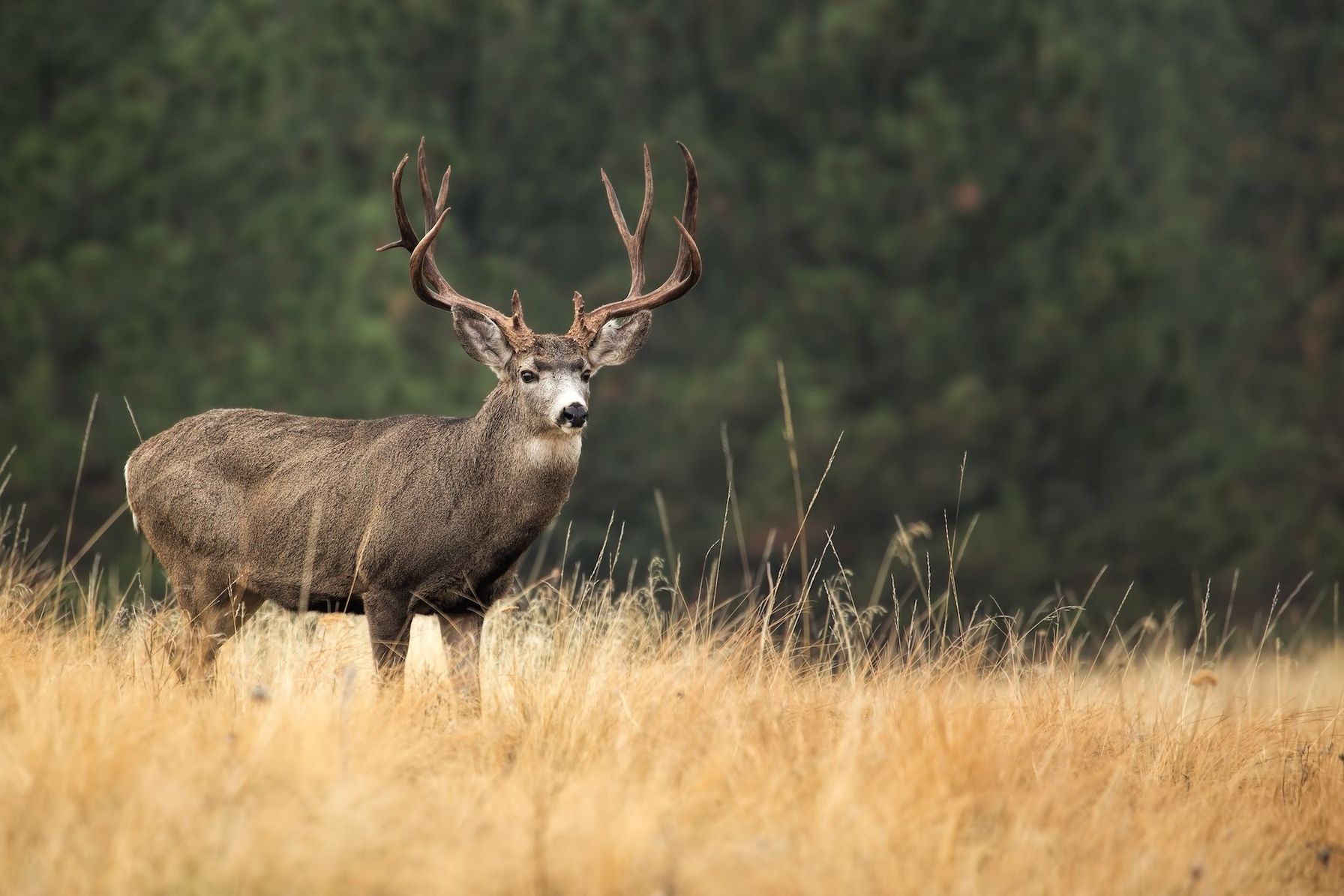
Shoot vs. Don't Shoot: A Mule Deer Adventure
A few years back, some friends and I rode mules into the high desert mountains chasing mule deer. After several days of glassing, I spotted a wide buck moving between beds in the middle of the afternoon.
We put on the stalk, slipping through a shallow arroyo and eventually belly crawling for a few hundred yards until we finally eased into range. I used my bino harness for a shooting rest and stretched out on the rocky ground, watching as the buck bedded in the shade of a big juniper with his back to us.
I studied him through my scope, watching him for hours before he suddenly spooked and bolted. The shot angle provided was the smallest window of his vitals; an inch off, and the bullet would have been in his hindquarters or shoulder.
Even now, I still think about that deer and the scenarios that could have resulted in a different outcome to get a better shot opportunity. But I don't regret the choice of not taking the shot presented.
He would have been the largest muley I had ever taken, and it ended as a very tough hunt. A clean, quick kill is always the goal, and that comes down to knowing where to aim and when not to take the shot.
Knowing Where to Shoot a Buck: Why Does it Matter?
An ethical kill is a quick kill.
Ethical hunting means minimizing pain and suffering as much as possible for the animals we hunt. Proper shot placement ensures a quick, humane kill, while poor shots can lead to wounded deer that may escape and die a slow and unnecessarily painful death.
Good shot placement also reduces the amount of time spent tracking with less meat loss and better quality table fare.
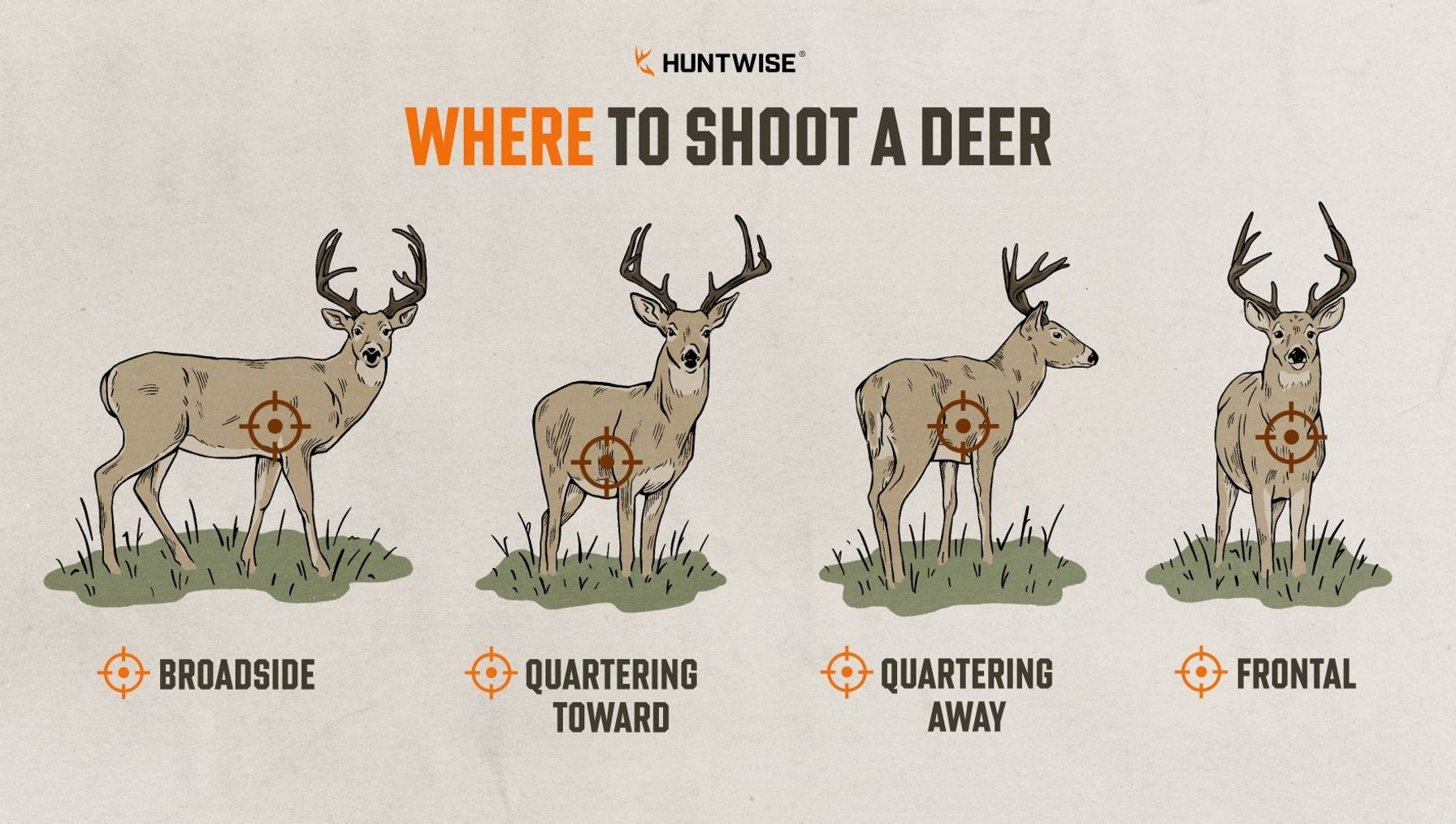
Where Do You Shoot a Deer for a Quick Kill?
As hunters, we should always prioritize a quick and humane kill.
A shot to the vital organs will cause the fastest blood loss and collapse, minimizing an animal's suffering. So, a double-lung or heart shot is almost always the most effective.
Aiming just behind the front shoulder, using the leg on the opposite side as a guide, will put your shot in the boiler room.
What Is the Best Shot Placement for a Deer?
The broadside shot is the gold standard for where to aim and offers the highest probability of a quick and clean kill. Aiming slightly behind the front shoulder, just under halfway up the body, puts this shot through both lungs and possibly the heart.
What Is the Best Angle to Shoot a Deer?
Again, broadside or slightly quartering-away are ideal.
The broadside shot provides the best exposure of the lungs and heart, but slightly quartering away allows the shot to pass through vital organs and exit behind the opposite shoulder, while giving a more forgiving angle for hitting the lungs.
Avoid quartering-toward, frontal, or directly from behind, as these are a higher risk than reward opportunity and an unnecessarily increased chance of wounding the animal.
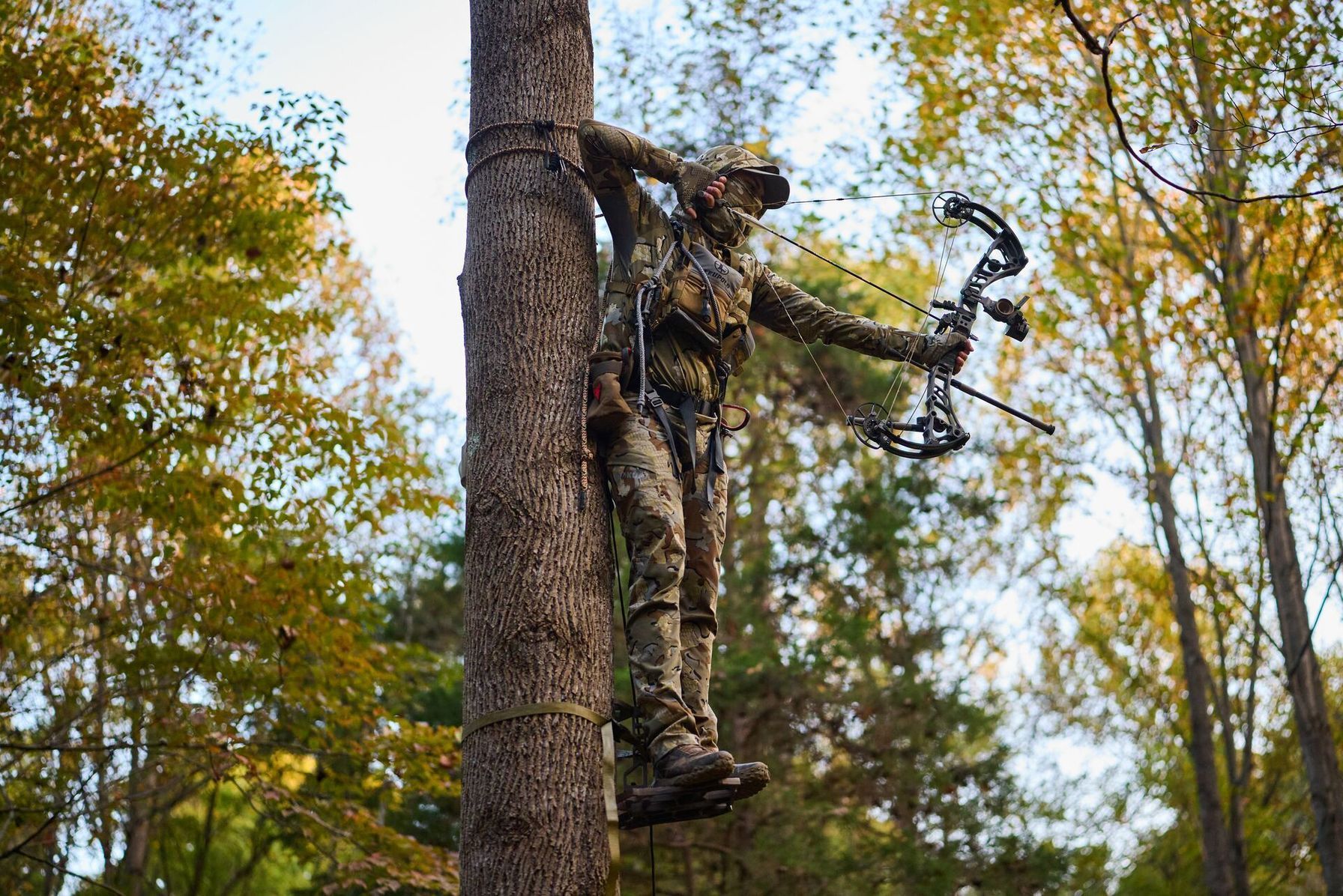
What's the Best Place to Shoot a Deer with a Bow?
Archery shots should be close range. I personally don't take shots at whitetail beyond 35 to 40 yards, though I do practice farther.
Quartering-away is my preferred angle for archery because it provides a larger target of the vitals and a better penetration path. This angle also has the deer looking away, reducing the chance they will spot me coming to full draw with my bow.
Where to Shoot a Deer with a Rifle
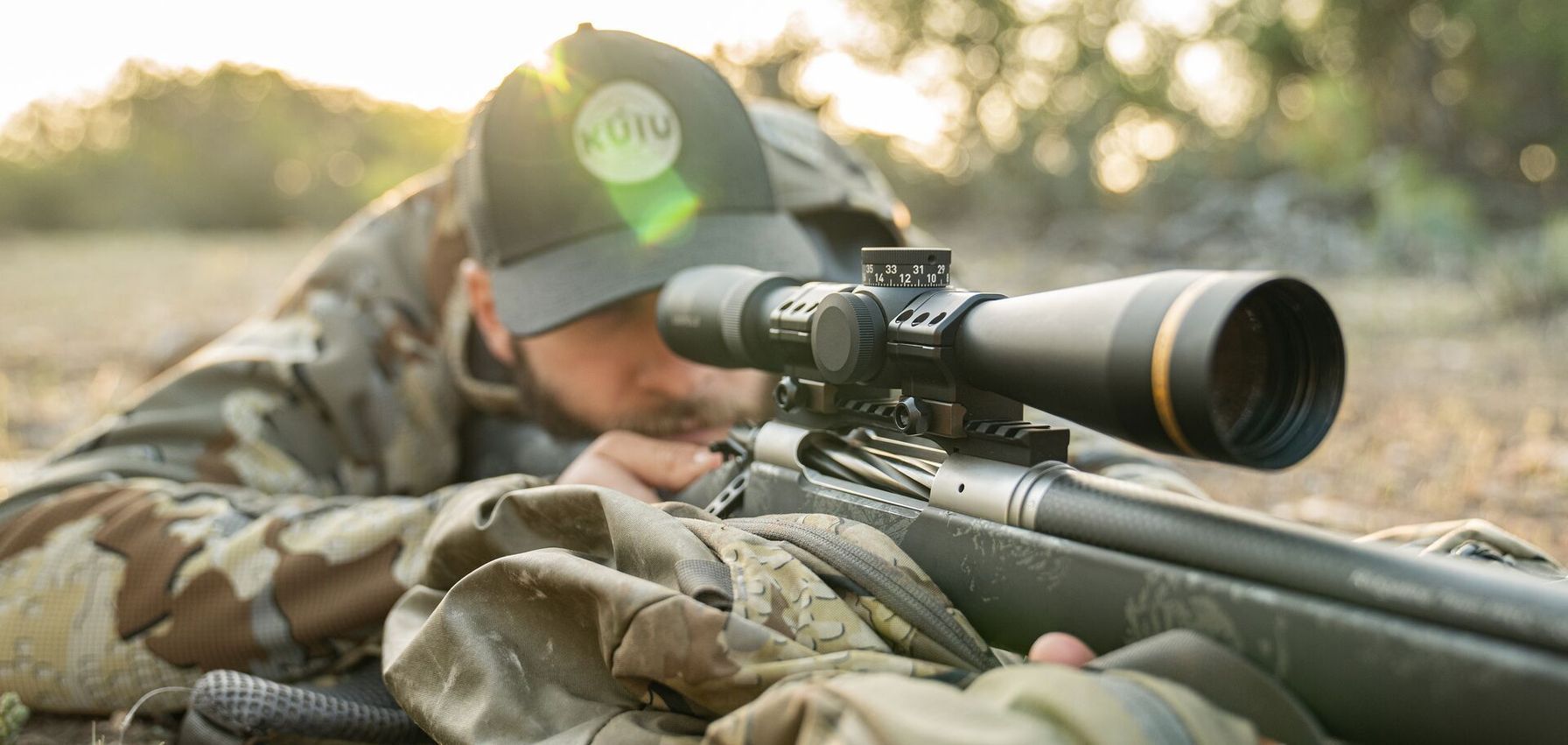
Rifles offer slightly more room for error. However, broadside, just behind the front shoulder, still offers the most unobstructed shot of the lungs and heart.
A rifle has more penetration power, so shots closer to the shoulder can also be effective, breaking bones and dropping the deer quickly. Avoid shots at the head or neck unless you are extremely close and skilled. These shots offer small targets with a high risk of wounding deer.
What Shot Should I Consider if I Can't Get a Broadside Shot?
A quartering-away shot is usually the most ethical and best alternative choice when broadside isn't available. Aiming behind the near shoulder, angled toward the opposite shoulder, offers excellent access to the heart and lungs while allowing the arrow or bullet to travel through the vitals and exit the opposite side with minimal, if any, meat damage.
Frontal shots will often occur when rattling bucks from the ground. This shot should only be taken at close range and by a highly skilled person.
In this scenario, the target is small, located between the shoulders, and extending into the chest cavity. The penetration with a bow is typically poor and should only be made with fixed-blade broadheads. This shot is a bit more forgiving with a rifle, but is still not ideal as the bullet will likely pass through the stomach or hams on the way out.
Avoid the Quartering-To Shot
Quartering-to shots should generally be avoided as the steep angle often forces a shot into the shoulder bone. This shot risks poor penetration, especially with archery equipment, and a high chance of wounding the deer without hitting the vitals.
Also, shots taken directly from behind, unfortunately known as the Texas Heart Shot, should always be avoided. This shot is unethical and unreliable, with very low odds of a clean kill, and can cause unnecessary suffering to the animal.
How to Know When It’s Time to Take the Shot
Knowing where to shoot a deer is only half the job. You also need to know when. Run through this quick checklist every time a deer steps in. If any answer is no, hold off.
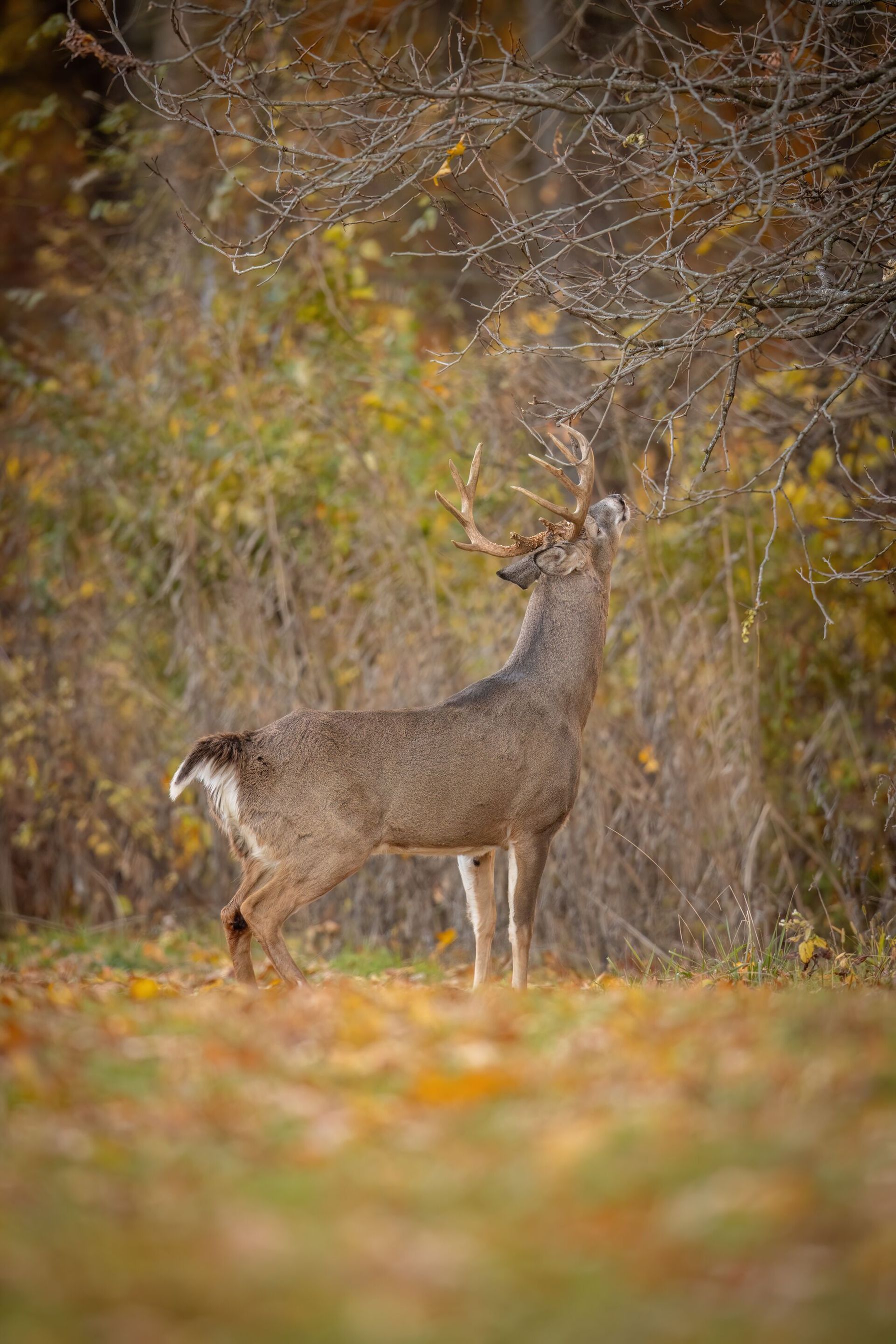
- Confirm your target and what’s beyond it. Make sure it’s a legal deer for your tag. Never shoot at a deer on a skyline or with another deer, a road, or a person behind it.
- Stay inside your effective range. Your “effective range” is the farthest distance at which you can keep every shot within a six-inch circle from a hunting position. Bows, crossbows, shotguns, and muzzleloaders usually call for much closer shots than rifles.
- Get into a steady position. Use a solid rest, like shooting sticks, a log, or your pack. Pad a gun’s fore-end on hard surfaces. If your aim won’t settle, you aren’t ready.
- Wait for a broadside or quartering-away angle. With a bow or crossbow, pass on quartering-to, head-on, and straight-away deer. With a rifle, shotgun, or muzzleloader, never shoot a straight-away deer, and wait out most quartering-to or head-on angles.
- Make sure the deer is calm. A relaxed deer is less likely to move at the shot. If it’s staring your way, stomping its feet, or tensed to run, wait. Never release an arrow at a deer looking at you.
- Check for a clear shooting lane. Look along the whole path to the vitals. Even a small twig can deflect a bullet or arrow. If brush or tall grass is in the way, wait for a gap.
- Pick a spot in the vital zone. Aim for the heart and lungs, not the whole deer. Choose one small spot behind the front shoulder, like a patch of hair, and hold your focus there.
- Breathe and squeeze. With a rifle, shotgun, muzzleloader, or crossbow, take a breath, let out about half, and squeeze the trigger with slow, steady pressure. With a bow, relax, release smoothly, and keep aiming until the arrow hits.
- Pass when anything feels off. If the deer is walking or running, the light is fading, or any step above fails, let it go. An unharmed deer is a better outcome than a wounded one.
These checks take only seconds once they become habit. Practice them on the range so they feel natural in the field.
When every answer is yes, take the shot. When one is no, waiting is the ethical choice.
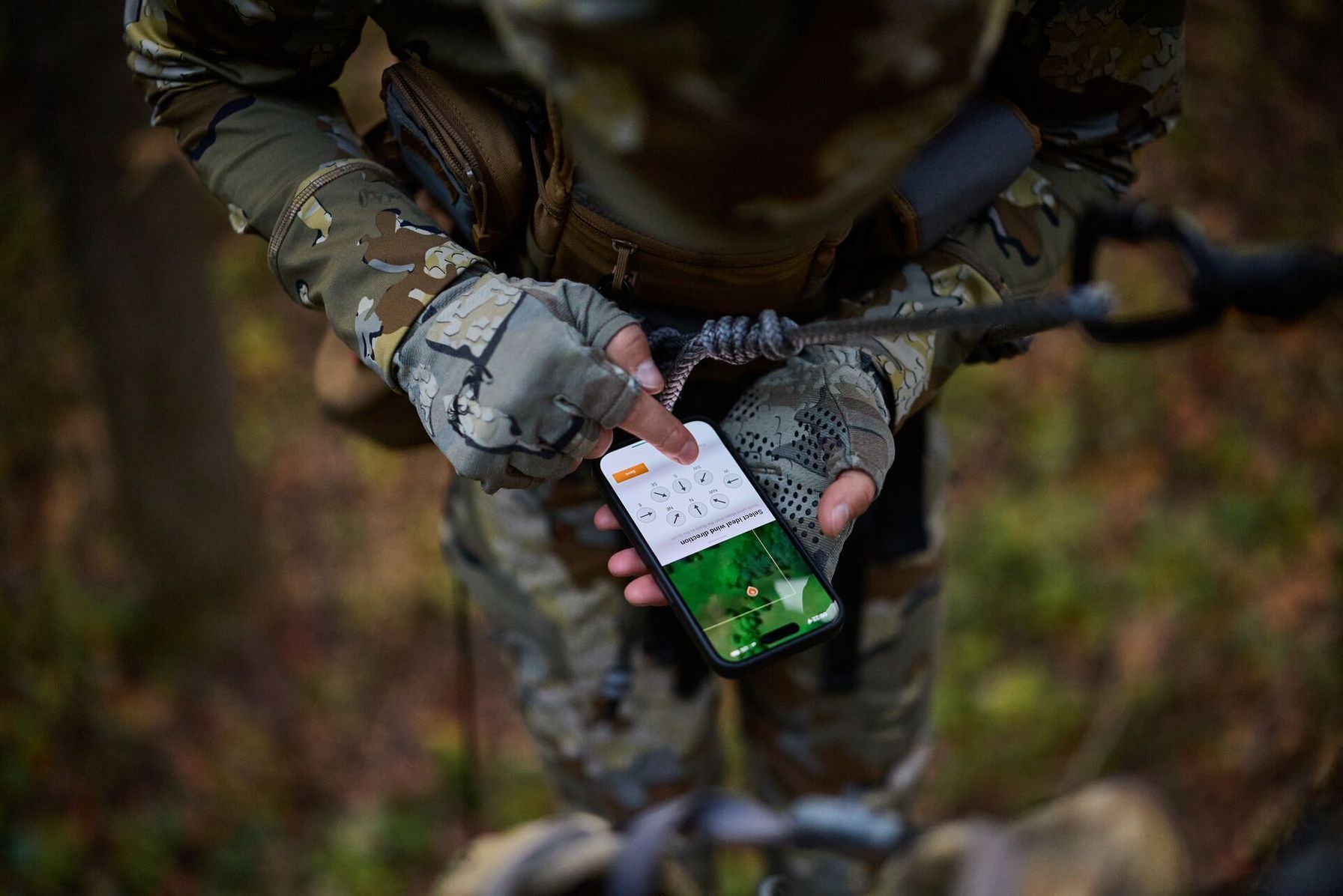
Wait on the Best Shot and Use HuntWise to Find More Bucks
Knowing where to shoot a buck must be part of your hunting plan every time you step into the field. If you don't have a clear, high-percentage shot to the vitals, it's always better to wait for a better opportunity or pass altogether. Ethical hunting prioritizes clean kills over taking chances, and true sportsmanship is what you choose to do when no one else is looking.
With tools like HuntCast and WindCast, HuntWise can help you be in the right place and the right time to take your shot. Using the app's mapping and other features, you'll find more bucks and more opportunities to take more good, clean shots.
We'll give you your first week free!
Frequently Asked Questions (FAQs)
We have answers to your questions about where to shoot a deer!
Q: Where do you shoot a deer for a quick kill?
A: Aim for the heart and lung area just behind the front shoulder, just under halfway up the body. A shot here causes rapid blood loss and usually leads to a quick, humane kill. Broadside and slightly quartering-away angles give you the clearest path to these organs.
Q: What is the best shot placement for a deer?
A: A broadside shot just behind the front shoulder is the standard for a clean kill. It sends the arrow or bullet through both lungs and possibly the heart. This placement also leaves room for small aiming errors and typically makes recovery easier.
Q: What is the best angle to shoot a deer?
A: Broadside and slightly quartering-away angles offer the clearest path to the vital organs. A quartering-away shot lets the arrow or bullet travel through the vitals and exit behind the opposite shoulder. Avoid quartering-to, head-on, and straight-away angles, which raise the risk of wounding the deer.
Q: Why do you wait 30 minutes after shooting a deer?
A: Waiting about 30 minutes gives a well-hit deer time to lie down and expire. It also keeps you from pushing the animal farther away, which can make recovery much harder. If you suspect a gut or liver hit, wait several hours before you start tracking.
Q: How far will a deer run after being shot?
A: Most deer run 0-150 yards after a good hit, depending on shot placement and how quickly the shot reaches the vital organs. Heart and lung hits usually end sooner, while gut or liver hits can carry a deer much farther. Mark where the deer stood and which way it went, then start tracking at the last sign of blood.
Q: How do you know when it’s time to take the shot on a deer?
A: Take the shot when the deer is legal, calm, and within your effective range, and it’s standing broadside or quartering away. You also need a steady position, a clear lane to the heart and lungs, and a safe backstop beyond the deer. If any of those pieces are missing, wait for a better opportunity or pass.
Q: What should you do if you think you made a poor shot on a deer?
A: Stay put, mark where the deer stood, and note the direction it went. Wait to track based on where you think you hit, then follow blood and other sign carefully. Check your state’s rules on tracking, including any limits on following a wounded deer onto private land or using a tracking dog.


