

Wisconsin has got to be up there for one of the best whitetail seasons in the country, consistently pumping out stunning bucks. The deer season sees locals and out-of-staters come from near and far, pack their gear, and try their luck at bagging a big trophy.
For a successful and legal hunting experience in Wisconsin, it's crucial to be well-versed in the state's seasons, limits, and regulations. This not only helps to preserve the ecosystem and the sport we cherish but also keeps you out of legal trouble.
So, when is the season for deer hunting, Wisconsin? This blog has those answers and looks at some preparation strategies to maximize your chances of success.
Updated August 4, 2026
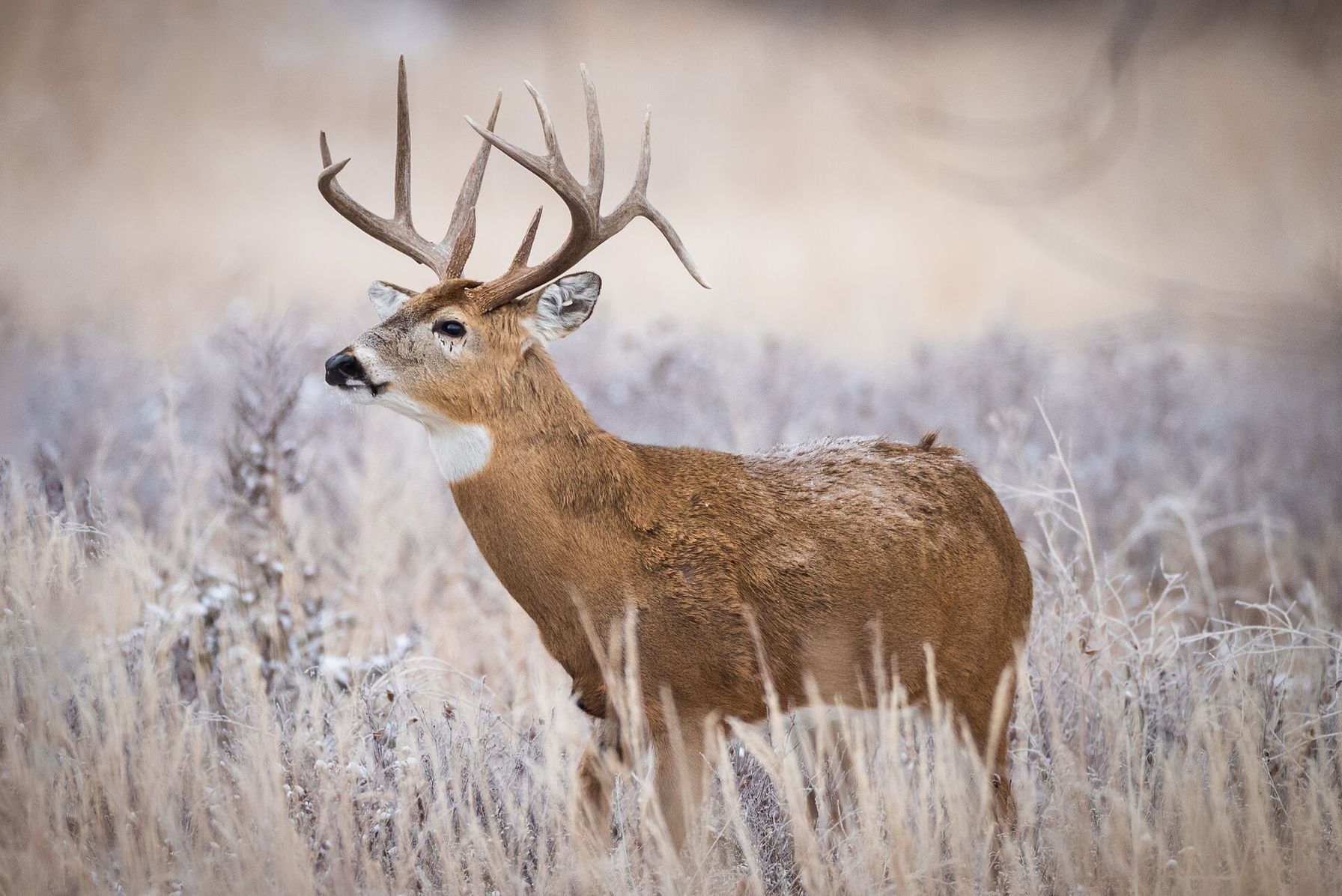
Wisconsin Deer Season Dates 2026
The Wisconsin Department of Natural Resources (WDNR) administers deer hunting seasons and applications. Its purpose is to preserve and maintain the great state's natural resources and animal numbers.
Wisconsin Deer Hunting Dates 2026 | |
|---|---|
| Archery and Crossbow | September 12, 2026 – January 3, 2027 |
| Metro Sub-units | September 12, 2026 – January 31, 2027 |
| Youth | October 10 – 11, 2026 |
| Gun |
|
| Muzzleloader | November 30 – December 9, 2026 |
| Statewide Antlerless-Only | December 10 – 13, 2026 |
| Antlerless-Only Holiday Hunt | December 24, 2026 – January 1, 2027 |
While we always work to provide the most up-to-date information for hunting season in this guide, this information can always change. We recommend checking the Wisconsin Department of Natural Resources (WDNR) web page for more information.
License and Permit Requirements
In the state of Wisconsin, hunters must have a specialized license depending on their hunting type. These requirements include the following items.
The Right License
Depending on how you hunt, you'll need a specific license. The options include:
- A gun deer license when using a firearm
- An archer license to take deer with bow and arrow
- A crossbow license when hunting with a crossbow
- A valid, unfilled harvest authorization to hunt legally
Make sure you don't hunt with a license that isn't specific to the firearm or bow you plan to use.
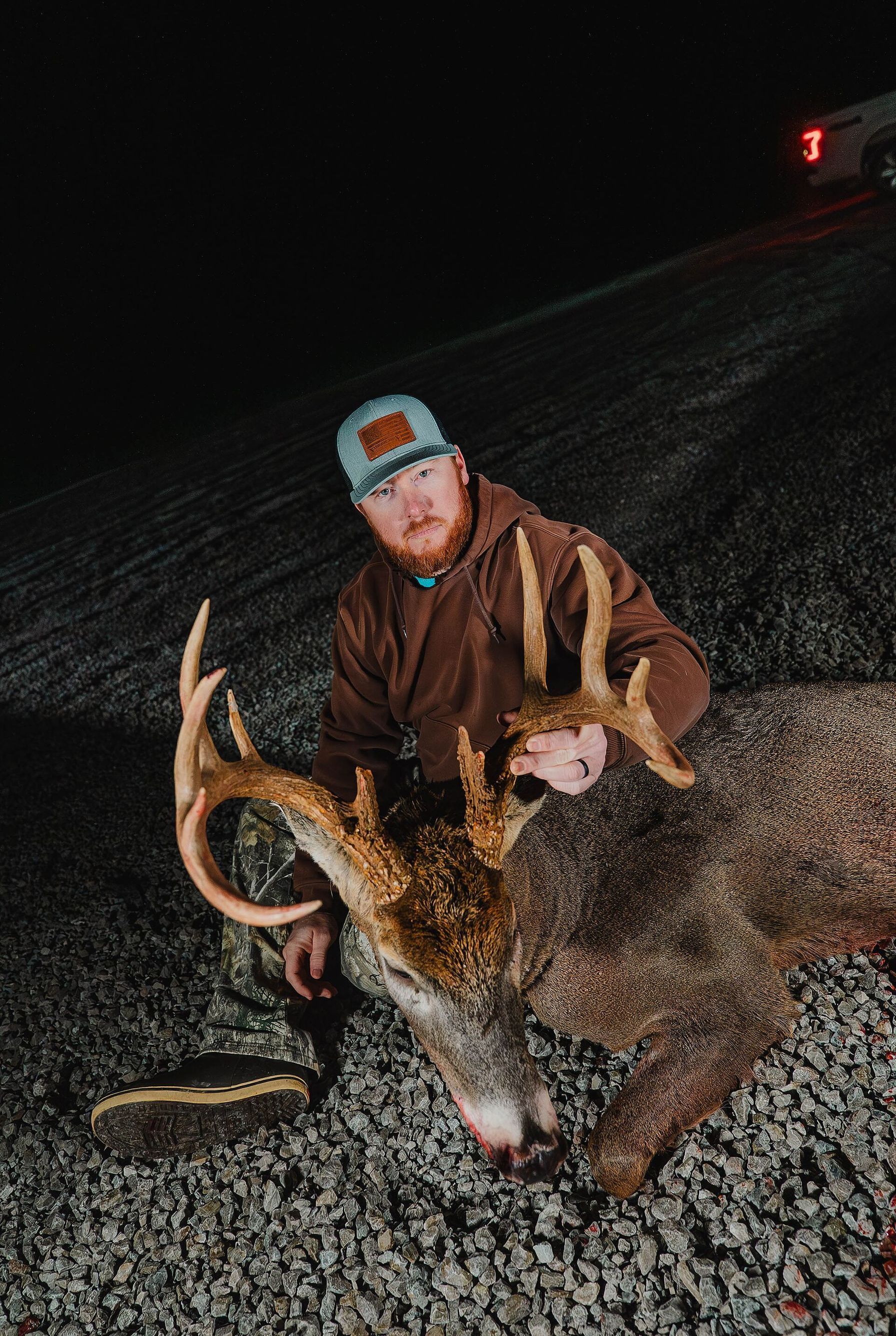
Hunter Education
Wisconsin requires all hunters born after Jan. 1, 1973, to complete a hunter education course to successfully apply for a license. You'll want to keep your hunter education card with you on your hunt.
Harvest Authorization
Each license will outline a harvest authorization, which shows the number of ant types issued with any deer license. This may vary depending on the zone where you are hunting and can change from year to year.
All licenses, stamps, and permits can be purchased through the GoWild Wisconsin website.
Hunting Zones and Units
The Wisconsin deer hunting areas are divided into hunting zones and metro-subunits, with official boundaries set by the WDNR. This is a crucial aspect of their responsibility for further administration and effective management of the deer population.
This process allows the WDNR to effectively manage the deer population and tailor specific management plans to differing geographic or natural regions. These distinctions further help hunters distinguish between private and public land.
The four standard zones are the Northern Forest, Central Forest, Central Farmland, and Southern Farmland. Understanding the specific regulations of each zone is essential to avoid breaching any restrictions or laws.
Bag Limits and Tagging Requirements
The bag limit for all seasons is one buck deer per harvest authorization and one antlerless deer per unused authorization. It is only valid in the specified zone, Deer Management Unit, and land type.
After harvesting a deer, you must register it. The easiest way to do this is online. However, there are some additional options:
- Register online at gamereg.wi.gov
- Register by phone 1-844-426-3734 (1-844-GAMEREG)
- You can register in person by finding a station that offers a phone or computer for online registration
Your deer harvest authorization number must be entered at the start of this process, so have it handy.
How to Hunt Deer in Wisconsin
Wisconsin's mix of northern forest, agricultural land, and river bottoms gives hunters several effective ways to fill a tag. Follow these steps to build a solid strategy for the season.
- Scout early. Look for deer trails, rub lines, and scrapes in late summer, and use trail cameras to pattern movement near food sources like corn, soybeans, and mast-producing oaks.
- Choose your setup. Pick a tree stand or ground blind based on wind direction and the terrain type, favoring funnels, field edges, and travel corridors between bedding and feeding areas.
- Check public land access. Use the DNR's public hunting lands maps for state and county forests, wildlife areas, and Managed Forest Law land open to hunting. You can also use HuntWise map layers to highlight public hunting land in Wisconsin.
- Match your weapon to the season. Confirm which method of take (archery, crossbow, firearm, or muzzleloader) is legal during your specific season and county.
- Wear the required blaze orange or blaze pink. Follow Wisconsin's blaze orange requirements during gun deer season to stay visible and legal.
- Hunt during the right time of day. Focus effort during the first and last two hours of daylight, when deer move most between bedding and feeding areas.
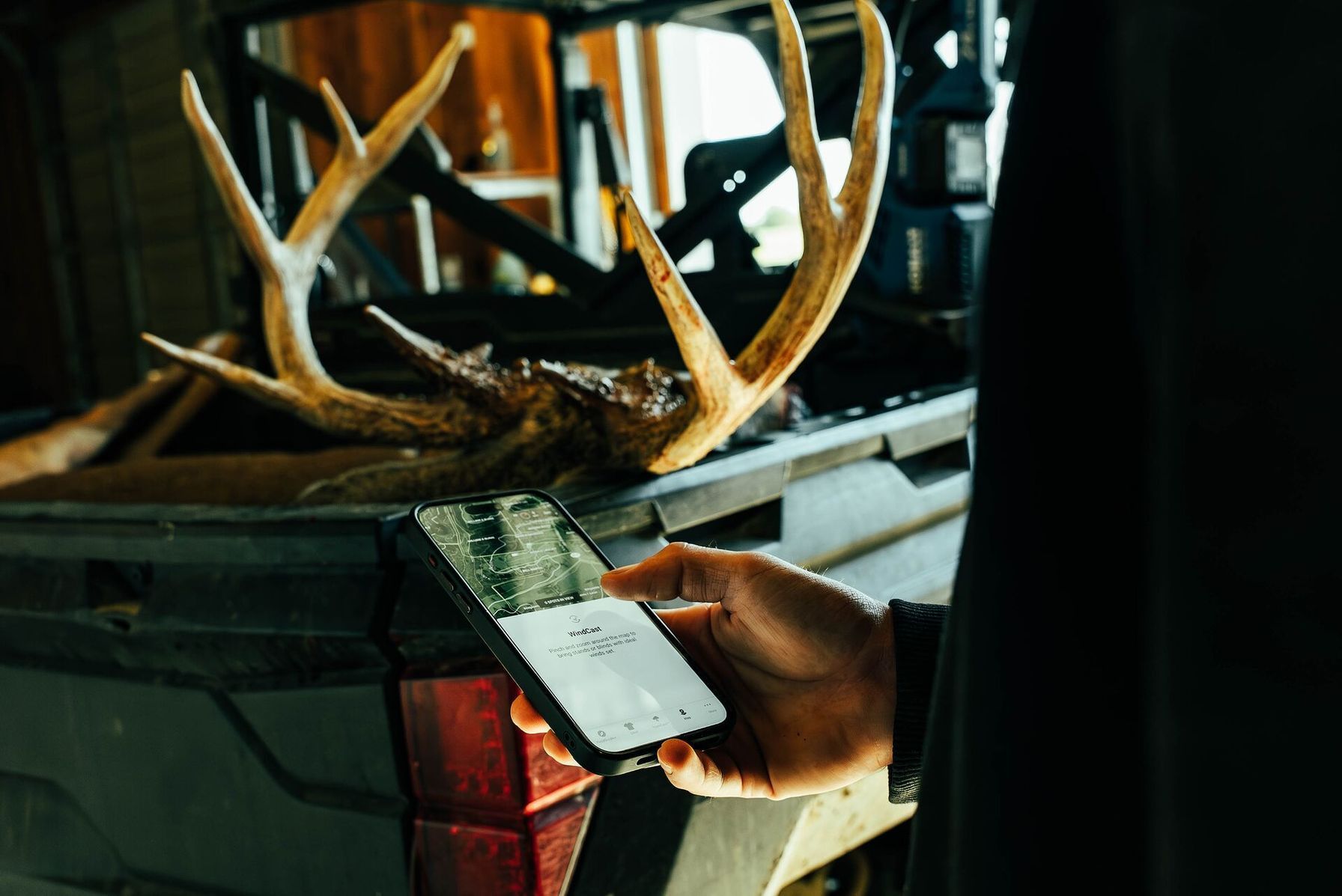
- Play the wind. Set up downwind of expected deer travel and use scent control to avoid alerting animals to your presence. Get ahead of the wind by using the HuntWise WindCast feature and applying the real-time wind direction and forecasting insights to your hunt.
- Know your CWD zone rules. Check whether your hunting area falls in a Chronic Wasting Disease zone, since some zones carry different baiting, feeding, or carcass transport restrictions.
- Be ready for the rut. Plan extra time afield in early to mid-November, when buck movement increases statewide. Track rut movement, so you're ready to tag a buck!
- Field dress and tag promptly. Follow Wisconsin's registration and tagging requirements as soon as you harvest a deer.
With the right setup, timing, and knowledge of local regulations, hunters can turn Wisconsin's varied terrain into a productive deer season!
Know How to Field Dress a Deer
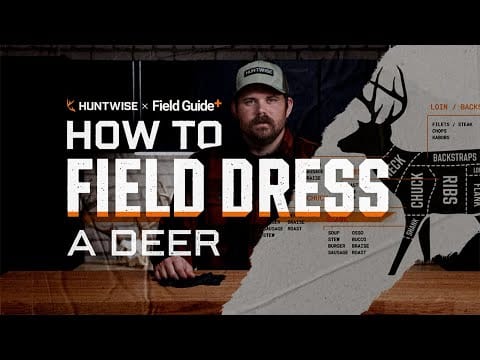
Do you know how to field dress a deer? Whether it's your first one or you want to brush up on your skills before the upcoming seasons, let Quinn Badder from our HuntWise team walk you through how to do it in the video below.
Preparing for Deer Hunting Wisconsin
With the season dates in mind, you're almost ready to hunt! Check out these tips to prepare for a successful season.
Pre-Scouting
When hunting in environmentally diverse states, we always recommend starting with thorough e-scouting to determine high-potential zones. The HuntWise app's digital mapping features allow you to begin exploring deer hotspots from anywhere.
Focus on water sources, natural passageways, and agricultural areas, learn the crop rotations, and set a marker as a potential scouting location. Then, check for signs of deer life, such as bedding, scratching, and tracks when you are out in the field.
Weather Preparation
Wisconsin's weather can be quite unpredictable, so make sure you pack appropriately with layering systems and waterproof gear that will keep you dry and comfortable during extreme weather changes.
Use the HuntWise app to stay on top of weather forecasting and how this may impact deer behavior, as changes in temperature and weather conditions can impact deer routine and regular patterns.
Physical Training
Wisconsin is a dense and challenging hunting environment. Before the season, we recommend incorporating some stamina and lower-body strength training into your workout routine, including hiking, running, and cycling.
The capacity to go an extra mile or two can often be the difference between a successful and unsuccessful hunt.
Get Wisconsin Deer-Season Ready With HuntWise
Most hunters know that Wisconsin is a popular spot for deer hunting, and getting there and hunting can be worth the effort. However, those who take home the big bucks must be resourceful, well-planned, and deeply researched.
Before any hunt, jump on the HuntWise app to start exploring the natural environment and build an understanding of the zones you intend to hunt in, weather forecasting, public and private land divisions, and more. HuntWise is the ultimate hunting app for hunting any species, anywhere.
Content most recently reviewed and updated August 4, 2026.
Frequently Asked Questions (FAQs)
Q: Can you shoot deer on your own property in Wisconsin?
A: Yes, but you still need a valid Wisconsin hunting license and the correct deer harvest authorization for your deer management unit and land type. Owning the land does not remove the licensing requirement, and all standard season, method, and registration rules still apply.
Q: Can I hunt with an AR-15 in Wisconsin?
A: Yes. Wisconsin allows centerfire rifles chambered in at least .22 caliber, so AR-platform rifles are legal for deer hunting as long as the cartridge meets that minimum and fires a single, expanding projectile. Rimfire cartridges and full metal jacket bullets are not legal for deer.
Q: Can you shoot a deer with a bow during gun season in Wisconsin?
A: Yes. Wisconsin's archery and crossbow season runs concurrently with the gun deer season, so bow hunters can be in the field at the same time as firearm hunters. Archery and crossbow hunters must follow the same blaze orange or blaze pink clothing requirements as gun hunters during that overlap.
Q: Which county in Wisconsin has the best deer hunting?
A: Buffalo County in western Wisconsin is widely regarded as the top county for trophy whitetail production, consistently producing some of the highest numbers of Boone and Crockett-class bucks in the state. Neighboring Trempealeau, Vernon, and Jackson counties also rank among the state's top producers.
Q: What part of Wisconsin has the biggest deer?
A: The Driftless Region in southwestern Wisconsin, including Buffalo, Trempealeau, Vernon, and Crawford counties, is known for producing the state's largest bucks due to its rich agricultural land and varied terrain that support strong antler growth.
Q: What caliber can you not hunt deer with?
A: Rimfire cartridges, such as .22 Long Rifle, are not legal for deer hunting in Wisconsin. Any centerfire cartridge below .22 caliber is also prohibited, along with full metal jacket ammunition and buckshot loads.


