

Minnesota is a treasure trove of regional diversity, offering a range of hunting opportunities for all styles and approaches. The abundance of options promises a deer season filled with adventure and success.
From the low-lying grasslands to tall parklands, deep coniferous forests, and the deciduous Minnesota environment, hunters can take their pick chasing stunning whitetails through the wilderness.
To ensure you don't miss out on the action and can prepare for a successful Minnesota deer season, this blog looks at everything you need to know for the Minnesota deer season 2026, including some preparation tips to keep you on top of your game.
Updated May 20, 2026

Dates for the Minnesota Deer Hunting Season 2026
The Minnesota Deer season is allocated and administered by the Minnesota Department of Natural Resources, which sets appropriate dates and regulations to maintain the deer population and ecosystem. Hunts and seasons are allocated based on firearm type and factors such as age allocations and deer type.
Minnesota Deer Season and Hunts By Types | |
|---|---|
| Archery | September 19 – December 31, 2026 |
| Youth (statewide) | October 15 – 18, 2026 |
| Early Anterless | October 15 – 18, 2026 |
| Firearm A (100 Series) | November 7 –22, 2026 |
| Firearm A (200 & 300 Series) | November 7 – 15, 2026 |
| Firearm B (300 Series) | November 21 – 29, 2026 |
| Muzzleloader | Muzzleloader |
| Special Hunts | Dates vary |
As always, while we work hard to provide accurate information for hunting season dates, we recommend double-checking with Minnesota state resources to confirm dates before your hunt. Dates can always change, and hunting legally during the open season is crucial.
Licensing and Regulations
What else do you need to know before heading out for a hunt? Make sure you understand the licensing requirements and regulations for deer season in Minnesota.
All hunters ten years and older must acquire a big game hunting license to hunt legally in Minnesota. This ensures legality and contributes to the state's funds supporting the conservation of the deer population and broader ecosystem.
As part of the safety allocations, all hunters born after December 31, 1979, must possess a firearm license and hunter education certificate.
Bag Limits and Reporting
Bag limits in Minnesota are determined based on zoning, deer population numbers, and special hunts. In some zones, there are opportunities to take both antlered and antlerless deer.
For differentiation, legal bucks have one antler at least three inches long, and antlerless deer are deer without an antler at least three inches long. Additionally, hunters must follow mandatory deer harvesting procedures upon successfully taking a deer.
The three methods for reporting are:
- Telephone: Dial 1-888-706-6367 to enter the system and follow the prompts, including entering your harvest registration number.
- Online: Go to mndnr.gov/gameregistration to register your deer.
- In-person: If online and mobile options are limited, you should report in person at a registered registration station.
With these options, Minnesota makes it convenient to report your deer harvest.
Zones and Hunting Areas
Hunters must also understand zones and hunting areas that apply to open season dates.
Deer Permit Areas
The Minnesota Department of Natural Resources allocates Deer Permit Areas (DPAs) to improve conservation and management. The MDNR can target areas with common geographical and natural characteristics by grouping these zones.
DPAs are often divided based on natural land demarcation lines such as bodies of water or natural features. You may have noticed the term "series" in the deer seasons. This is because these DPAs are marked as "series" on the official map.
Hunting in management zones will require additional permits, as will some special hunting allocations, such as surplus antlerless deer hunts. Firearm and muzzleloader antlerless permits are allocated based on a lottery system.
Public vs. Private Land
It can be easy to forget that there are opportunities for hunting private land and that sometimes reaching out and courteously asking for permission can unlock a whole new world of hunting opportunities for the savvy hunter.
The worst they can say is no. However, an upfront, honest inquiry can go a long way (not to mention the promise to the landowner of some prime venison upon success).

How to Plan Your Minnesota Deer Hunt
Minnesota offers some of the best whitetail hunting in the Midwest, but the state's zone-based system takes a little homework before you head into the field. Whether you're chasing a big northern buck through aspen country or hunting ag edges in the south, a solid plan starts well before opening day.
Here's how to get dialed in for a successful hunt.
| How to Plan a Deer Hunt in Minnesota: |
|
Additional Preparation Tips
We know you're excited to get out for the opening day of deer season. While you wait, consider the following tips to prepare for a successful hunt.
Complete a Gear Check
The Minnesotan environment can be challenging (and wet), so focus on durable, protective clothing and materials that will ensure good body heat regulation.
The weather can shift rapidly, so pack multiple layers that can be removed and focus on fabrics that wick moisture while also insulating. Sun protection, including a quality hat and sunscreen, is also essential to your gear bag.
Finally, dial in your bow or firearm on the range, pack appropriate ammunition, and always carry a quality knife and first aid kit.
Get In Shape
Conditioning, stamina, flexibility, and endurance are all necessary physical components of a prepared hunter. Being able to push that extra distance into a more isolated zone can reward the persistent hunter with some stunning deer.
Functional training involving hiking, bicycling, and walking are all great ways to build up stamina, and exercises such as deadlifts and weighted carry can help build core and back strength.
Understand Minnesota Weather and Wildlife Patterns
In addition to the preparation tips we mentioned above, understanding deer behavior and the Minnesota weather can help nail down the best times to hunt whitetail this season.
Weather Forecasting
Deer season in Minnesota is in the fall and early winter, and as all northern deer hunters know, this time of year can get cold. Extreme shifts in the weather patterning can occur, and you can expect rain, hail, and snow, often accompanied by a sharp, cutting wind.
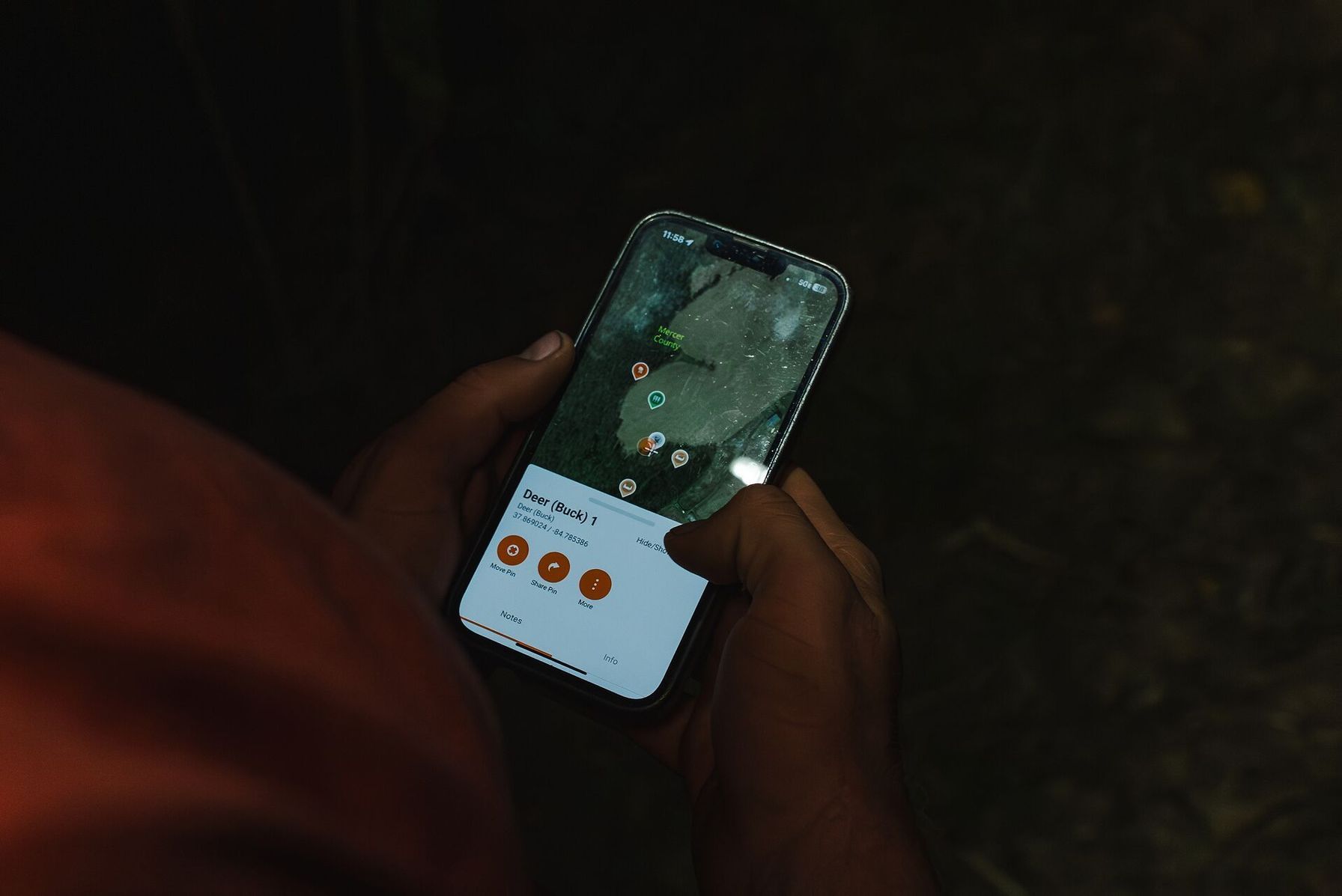
Deer have an almost instinctive internal barometer that can regulate their behavior and interactions depending on the weather. The HuntWise app allows you to leverage the HuntCast feature, which provides insights on optimal hunting conditions, including weather patterns.
Deer Behavior
Cooler temperatures during the deer season may impact deer behavior, meaning deer will be less active regarding feeding. The severity of the cool temperatures and conditions will similarly impact the availability of habitat and quality food sources.
This may mean shifting your focus away from food sources and onto a stalking-style hunting method, which also assists in regulating your body heat.
Find Deer Hunting Success in Minnesota With HuntWise
The Minnesota deer season can be challenging, but hunters will be rewarded if they show dedication and willingness to put in the pre-season effort.
While the weather can be difficult, staying on top of it has always been easier with the HuntWise app, which provides insights on everything from season dates to satellite imagery, wind and weather forecasting, and more.
As you think ahead to the open season dates for Minnesota deer season 2026, get prepared with the HuntWise app.
try Pro and Elite features — free — for your first week.
Content and season dates reviewed and updated May 20, 2026.
Frequently Asked Questions About Minnesota Deer Season (FAQs)
Q: When does Minnesota archery deer season open in 2026?
A: Minnesota's archery deer season opens September 19 and runs through December 31, 2026. Compound bows, recurve bows, longbows, and crossbows are all legal during the archery season. Always confirm dates with the Minnesota DNR before the season.
Q: What are the Minnesota firearm deer season dates?
A: The 100 Series firearm season (northern Minnesota) runs November 7-22, while the 200/300 A zones (central and southern areas) run November 7-15, with 300 B zones running November 21-29. Muzzleloader season runs statewide from November 28 through December 13. Verify exact dates with the Minnesota DNR, as the official 2026 regulations synopsis is typically published in late summer.
Q: How many deer tags can I buy in Minnesota?
A: A person may purchase no more than one firearm, muzzleloader, and archery deer license in a given season. The statewide bag limit is five deer, but hunters must also stay within the bag limit of their individual Deer Permit Area (DPA). Bonus antlerless tags are available in qualifying areas for $18 for residents and $91 for non-residents.
Q: What's the Minnesota doe (antlerless) bag limit?
A: The antlerless bag limit varies by Deer Permit Area (DPA) and is not a single statewide number. DPAs are designated as bucks-only, antlerless permit lottery, either-sex, two-deer limit, three-deer limit, or five-deer limit areas. Hunters must not exceed the bag limit of their specific DPA, even if they have not reached the statewide limit of five deer.
Q: Are there different deer seasons by zone in Minnesota?
A: Yes. Minnesota uses a 100/200/300 series zone system, where the 100 series covers northern Minnesota, while the 200 and 300 series cover central and southern areas, with slightly different season dates and lengths in each. The state also divides into Deer Permit Areas (DPAs), each with its own bag limit designations and season rules. Hunters should look up their specific DPA before the season, as regulations can differ significantly by location.
Q: Do I need a separate antlerless permit in Minnesota?
A: It depends on your DPA and weapon type. Firearm and muzzleloader hunters in antlerless permit lottery areas must apply for an either-sex permit through the lottery process if they want to take an antlerless deer, with the lottery deadline typically falling in early September. Archery hunters, residents of Minnesota State Veterans' Homes, and hunters 84 years or older can take a deer of either sex without applying for an either-sex permit. Check your specific DPA designation to know what applies to you.
Q: Where can I hunt deer on public land in Minnesota?
A: Minnesota offers millions of acres of public hunting land, including over 1,300 Wildlife Management Areas (WMAs) open to hunting during regular seasons, 56 state forests covering 3 million acres, and the Chippewa and Superior national forests in northern Minnesota. The Walk-In Access program also provides additional hunting opportunities on enrolled private lands.


