

The whitetail population estimate is around one million, and North Carolina's geographic diversity, extending from the Appalachian mountains in the West to the Atlantic coastal plains of the East, means there are opportunities for every type of hunter looking to challenge themselves or have a great time with a more relaxed approach.
So, when is NC deer season for 2026–2027? This guide looks at season dates, regulations, licensing requirements, and some North Carolina deer season hunting best practices to help you target these elusive deer (they don't call them the phantoms of the woods for nothing).

The 2026–2027 North Carolina Deer Seasons
The North Carolina Wildlife Resources Commission (NCWRC) is the state agency that sets and administers the deer (and other game species) seasons and regulations. These rules establish the foundation for ethical hunting, game management, and ecological balance.
North Carolina hunting dates are based on zones promoting a more targeted administration and management approach.
So, when is deer season in NC? Here are the 2026–2027 deer hunting dates:
NC Deer Season 2026–2027 | |
|---|---|
Northeastern and Southeastern Zones
| Central Zone
|
Northwestern Zone
| Western Zone
|
Urban Deer Season
| Youth Hunting Dates
|
CWD Management Areas
| |
Some counties have special rules. Forsyth, Stokes, Surry, Wilkes, and Yadkin counties make up the Northwestern CWD Management Area, which has earlier blackpowder and gun seasons than the rest of the Northwestern Zone. Cumberland and Sampson counties make up the Southeastern CWD Management Area. All seven counties offer a special early season for antlered deer on August 22 and 23, 2026, and you can use any lawful weapon.
While we always work to provide accurate information in our guides, be sure to double-check specific licensing, bag limits, season dates, and hunting hours for your intended hunting zone, as they can vary from region to region.
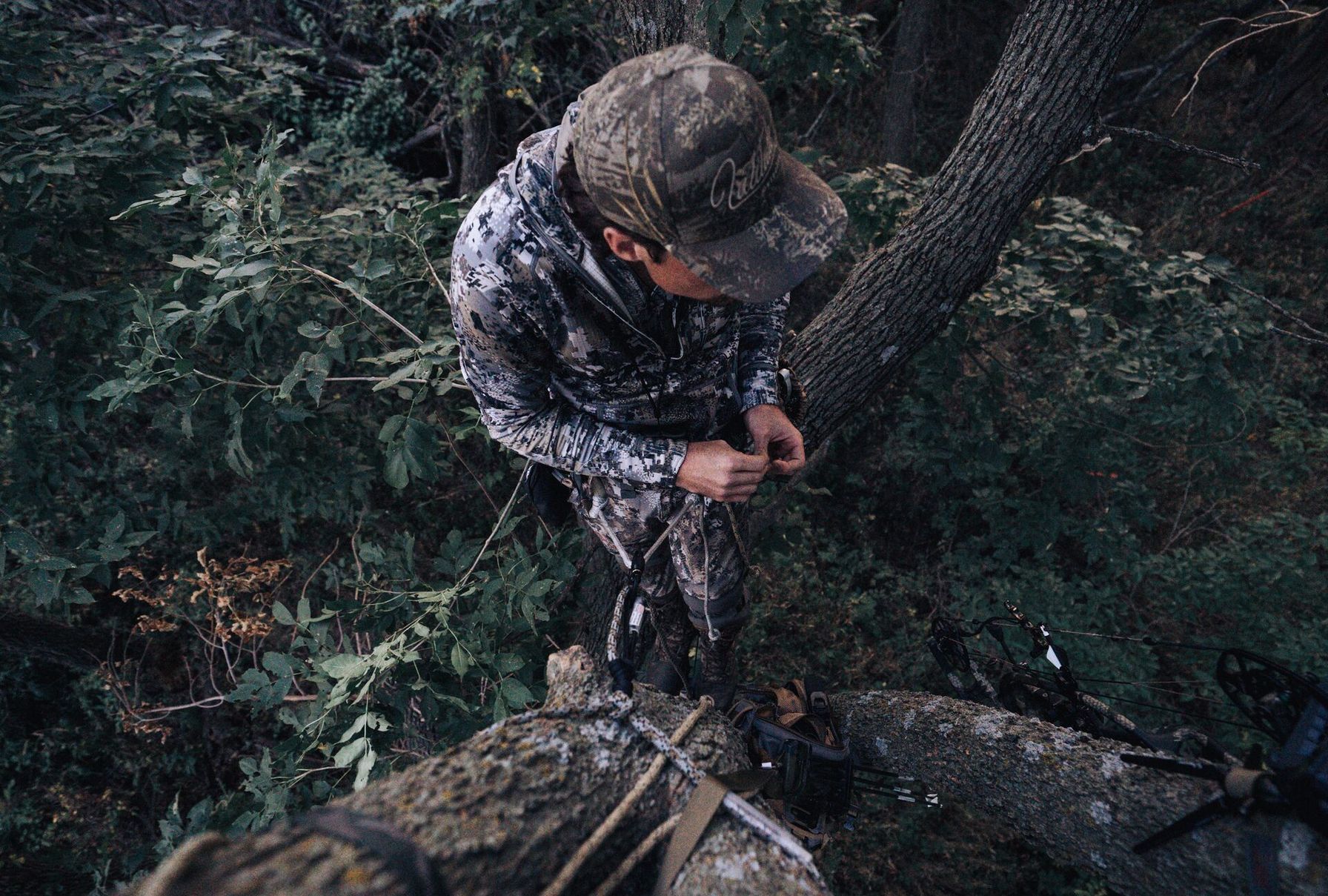
Licensing and Requirements to Hunt in North Carolina
All hunters operating in North Carolina must have a resident, non-resident, or a particular license category (veteran, disabled, youth, etc.). Hunters can purchase licenses through the Go Outdoors North Carolina Page or in person via a Wildlife Service Agent.
If you're a first-time hunter in North Carolina or under 16 years old and plan to hunt without a mentor, you will also need a hunter education certificate to fulfill the requirements before attaining a hunting license. Hunters under 16 who plan to hunt without an adult must also complete the course. New hunters can instead hunt under a Hunting Heritage Apprentice Permit.
Youth hunters under 16 do not need a hunting license. They must carry a free License-Exempt Big Game Harvest Report Card when they hunt deer, bear, or wild turkey.
North Carolina offers a full range of licenses, including combination, lifetime, and shorter-term options. Consider how frequently you intend to hunt and whether you'd like to chase some trout in the inland waters between hunting sessions or target other species.
Report It
North Carolina requires hunters to register every deer they harvest.
Follow these steps to register your deer:
- Validate your Big Game Harvest Report Card before you move the deer from the kill site.
- Register the harvest before you skin or dismember the deer, leave it unattended, give it to another person, or reach noon the day after the harvest, whichever comes first.
- Record the authorization number on your report card.
You can register online, through the Go Outdoors North Carolina app, by phone at 800-446-8663, or at a participating wildlife service agent. The app works without cell service. Attach your authorization number to the deer if you leave it with a processor, taxidermist, or another person.
Bag Limits
North Carolina bag limits are generous. You can harvest six deer per season, with no more than two antlered and four antlerless. There is no daily limit.
Hunters in municipalities enrolled in the Urban Archery Season can also buy a Bonus Antlerless Deer License. It allows two additional antlerless deer per report card, and it is not valid outside enrolled municipalities. The license goes on sale January 1 and expires June 30.
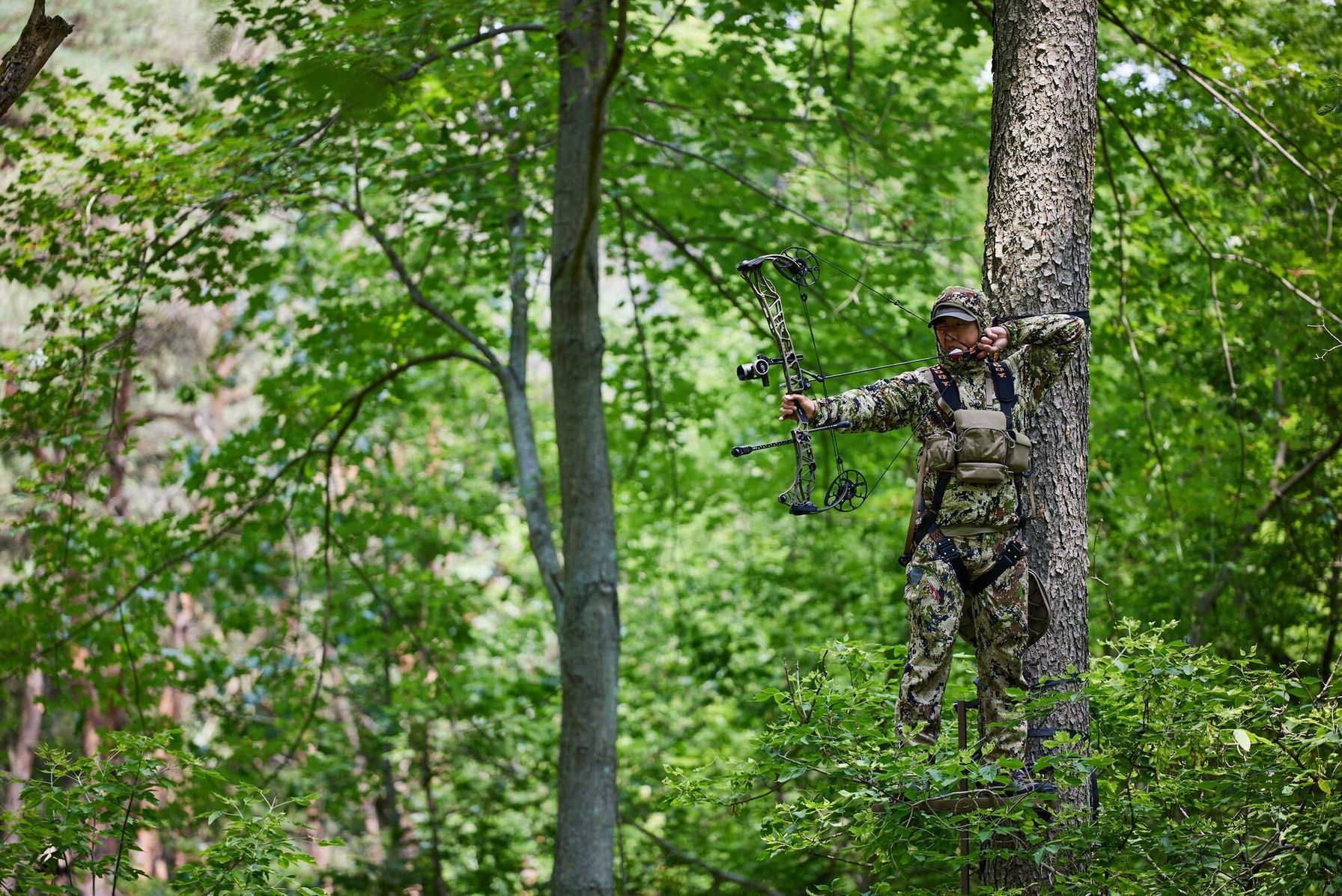
Hunting Methods and Equipment
With season dates and bag limits in mind, make sure you also understand the legal ways you can take deer in North Carolina.
Archery Equipment
Specific regulations surround using archery and archery equipment during the deer hunting seasons in NC to ensure a clean, ethical kill. Longbows, recurve bows, compound bows, and crossbows are all permitted bow types as long as they fit within the following specifications:
- Longbows and recurve bows must have 40 pounds of minimum pull weight
- Compound bows must have 35 pounds minimum pull
- Crossbows must have 100 pounds of minimum pull
Regarding arrowheads, a broadhead must be used with a width of seven-eighths of an inch, or a mechanical opening broadhead with seven-eighths of an inch when open is required.
Muzzleloader Gear
The muzzleloading (blackpowder) season allows hunters to extend their hunting season in a classification that historically experiences less hunting pressure than other open dates.
During this season, the only lawful firearms are blackpowder shotguns, rifles, and handguns. NCWRC defines a blackpowder firearm as any of these:
- A firearm made in or before 1898 that cannot use fixed ammunition, including matchlock, flintlock, and percussion cap firearms
- A replica of one of those firearms that cannot use rimfire or conventional centerfire ammunition
- A muzzleloading rifle, shotgun, or cylinder-loading handgun designed for black powder or a substitute propellant that cannot use fixed ammunition
Firearm Regulations
Fully automatic firearms are not permitted for hunting in North Carolina. Beyond that, the rules are straightforward:
- Rifles: All rifles are legal except fully automatic rifles. Some counties have local laws that restrict rifles, so check the local laws section of the digest.
- Shotguns: Shotguns must be no larger than 10-gauge.
- Handguns: You can take deer with a handgun during the gun season, with no restrictions on barrel length or caliber.
When dispatching deer, during archery season, you can use only a .22 rimfire pistol to dispatch a wounded deer.
CWD Special Early Season
North Carolina runs a special early season for antlered deer in its CWD Management Areas. It takes place on August 22 and 23, 2026, in Cumberland, Forsyth, Sampson, Stokes, Surry, Wilkes, and Yadkin counties. You can use any lawful weapon, including on game lands.
NCWRC states there is no mandatory CWD sampling for the 2026-27 season, but voluntary testing is available and recommended in CWD Management Areas.
How to Prepare for the North Carolina Deer Season
A successful North Carolina deer season starts well before opening day. Work through these six steps in order, and you will know the rules, hold the right paperwork, and have scouted spots ready to hunt.
- Read the current regulations digest. Download or pick up this year’s North Carolina hunting digest from the North Carolina Wildlife Resources Commission. It lists season dates, bag limits, and any rule changes for the current year.
- Find your zone or county on the regulations map. Season dates and antlerless rules vary by county, so confirm exactly where you plan to hunt. Match your county to the correct row before you plan any trips.
- Apply for draw and quota hunts before the deadline. Some hunts on public land use a draw or quota system, and missing the application window means missing the hunt. Check the deadline for each hunt you want and apply early.
- Buy your license and harvest authorizations. Purchase your hunting license and the big game privilege, which includes your Big Game Harvest Report Card. Add a Bonus Antlerless Deer License if you plan to hunt an enrolled urban archery municipality and want the extra antlerless deer.
- Pick 3 to 5 public properties in HuntWise. Open the app and browse public land in your zone. Use the map layers to choose three to five properties worth scouting, based on access, terrain, and cover.
- Visit your top two properties before the season. Walk each one to confirm what you saw during your digital scouting. Look for sign and travel routes, then pick your stand sites.
Finishing these steps before the season opens lets you spend your hunting days in the woods, not scrambling with paperwork. Start early, and you will head into opening day with a plan, the right permits, and a spot you already know.
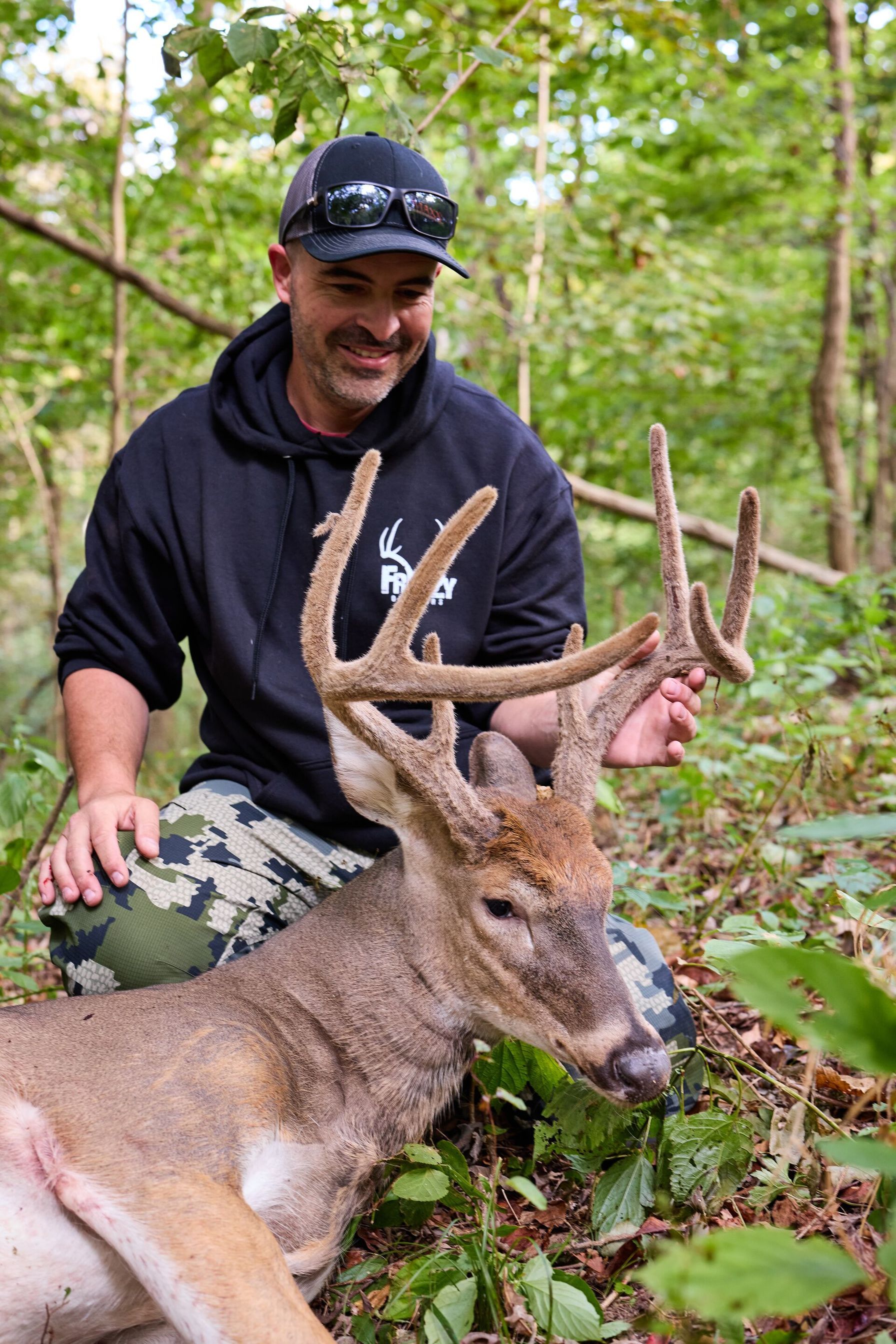
NC Deer Hunting Best Practices
I always consider scouting hunting locations as a question of "aperture."
You generally start wide by using an online mapping tool such as HuntWise to target desirable locations; these will be close to agricultural feeding plots, potential bedding areas, zones with water access, or areas that recorded a high deer cultivation number in the season prior.
Additionally, the topographical and 3D features of the HuntWise hunting app can be leveraged to look for ridges, bottom flats, and creeks.
After finding and marking high-potential areas, dial in the aperture with in-person scouting methods.
Set trail cameras in your intended zones to note deer movement patterns. Depending on your hunting style, this will provide insights into potential tree stands or blind locations.
Finally, burn some boot leather and spend some time in your zone looking for droppings, rubs, scrapes, and other indications of deer activity in the area.
Scent control is essential during this time. Always hunt with the wind in your face. Consider odor-neutralizing fabrics and scent products you can spray over hunting gear to help mask any scent issues.
Shot Placement is Crucial
You can shoot a deer in several spots, and shot placement will depend on the deer's positioning and your line of fire.
However, a heart shot directly in line with the center of its front leg, with the upper portion of the heart positioned halfway between the animal's back and belly, is always a solid shot, as it will provide rapid bleeding and an instant kill.
Start Your NC Deer Season Prep With HuntWise
The variety of landscapes and the generosity of the NC deer season mean hunters can target impressive bucks and bag out with a freezer full of sustainable, wild, and tasty venison.
To maximize this opportunity, start your hunt early with some HuntWise pre-season scouting, rutting insights, and preparation tips.
With multiple map layers specific to North Carolina (including the latest LiDAR or "Hillshade" layer), you can tailor your maps to the views you need to find potential bedding and feeding areas and target the best spot for your hunting blind or tree stand.
Content most recently reviewed and updated October 22, 2026.
Frequently Asked Questions (FAQs)
Q: When is deer season in North Carolina in 2026-27?
A: In North Carolina, deer archery season opens September 12, 2026, in every zone. Gun season opens October 17 in the Northeastern and Southeastern Zones, November 14 in the Central Zone, November 21 in the Northwestern Zone, and November 28 in the Western Zone. Gun season closes January 1, 2027, in all zones. Antlerless dates vary by county, so check your county before you hunt.
Q: How many deer can I harvest in North Carolina?
A: You can harvest six deer per season in North Carolina, with no more than two antlered and four antlerless. There is no daily limit. You can take antlerless deer only during antlerless seasons. In municipalities enrolled in the Urban Archery Season, Bonus Antlerless Harvest Report Cards allow two extra antlerless deer per card, and those deer do not count toward your limit.
Q: Do I need hunter education to hunt deer in North Carolina?
A: Yes, you need hunter education in NC if you are buying a hunting license for the first time. You must show a hunter education certificate, a Hunting Heritage Apprentice Permit, or a license issued before July 1, 2013. Apprentice permit holders must hunt with a licensed adult at least 18 years old. Youth under 16 do not need a license, but those without a Certificate of Competency must hunt with a licensed adult.
Q: How do I report a deer in North Carolina?
A: Validate your Big Game Harvest Report Card before you move the deer from the kill site. Then register the harvest before you skin or dismember it, leave it unattended, give it to someone else, or reach noon the next day. You can register online, through the Go Outdoors North Carolina app, by phone at 800-446-8663, or at a wildlife service agent. Write the authorization number on your card.
Q: What weapons are legal for deer hunting in North Carolina?
A: Longbows and recurve bows need a 40-pound minimum pull, compound bows need 35 pounds, and crossbows need 100 pounds. Broadheads must be at least 7/8 inch wide. During gun season, all rifles are legal except fully automatic rifles, shotguns must be no larger than 10-gauge, and handguns have no caliber or barrel length limits. During blackpowder season, only blackpowder firearms are legal.
Q: When are the youth deer hunting days in North Carolina?
A: The NC statewide youth days are September 26 and 27, 2026. The Western Deer Season has a second set on November 26 and 27. Hunters under 16 can use any legal weapon, and hunters 16 and older must use the weapon legal for the season open in their county. Everyone must wear hunter orange, even with archery equipment.
Q: What is the CWD special early season in North Carolina?
A: It is a special antlered-deer season on August 22 and 23, 2026, in Cumberland, Forsyth, Sampson, Stokes, Surry, Wilkes, and Yadkin counties. You can use any lawful weapon. NCWRC requires no CWD sampling this season, but voluntary testing is available at drop-off freezers, and NCWRC recommends it in CWD Management Areas before you eat venison. Baiting is prohibited in these counties before September 1.


