

With mountains to the north and coastal plains to the east containing vast forests and agricultural zones, all wrapped up in 104 wildlife management areas, knowing where to hunt deer in Georgia can be a tough decision.
In this guide, we're making it easier to find the spots to tag out by helping you locate the best hunting area for a successful Georgia deer season 2025, sharing some tools and strategies to help you narrow your search and bag out on one of the biggest bag limits in the country.
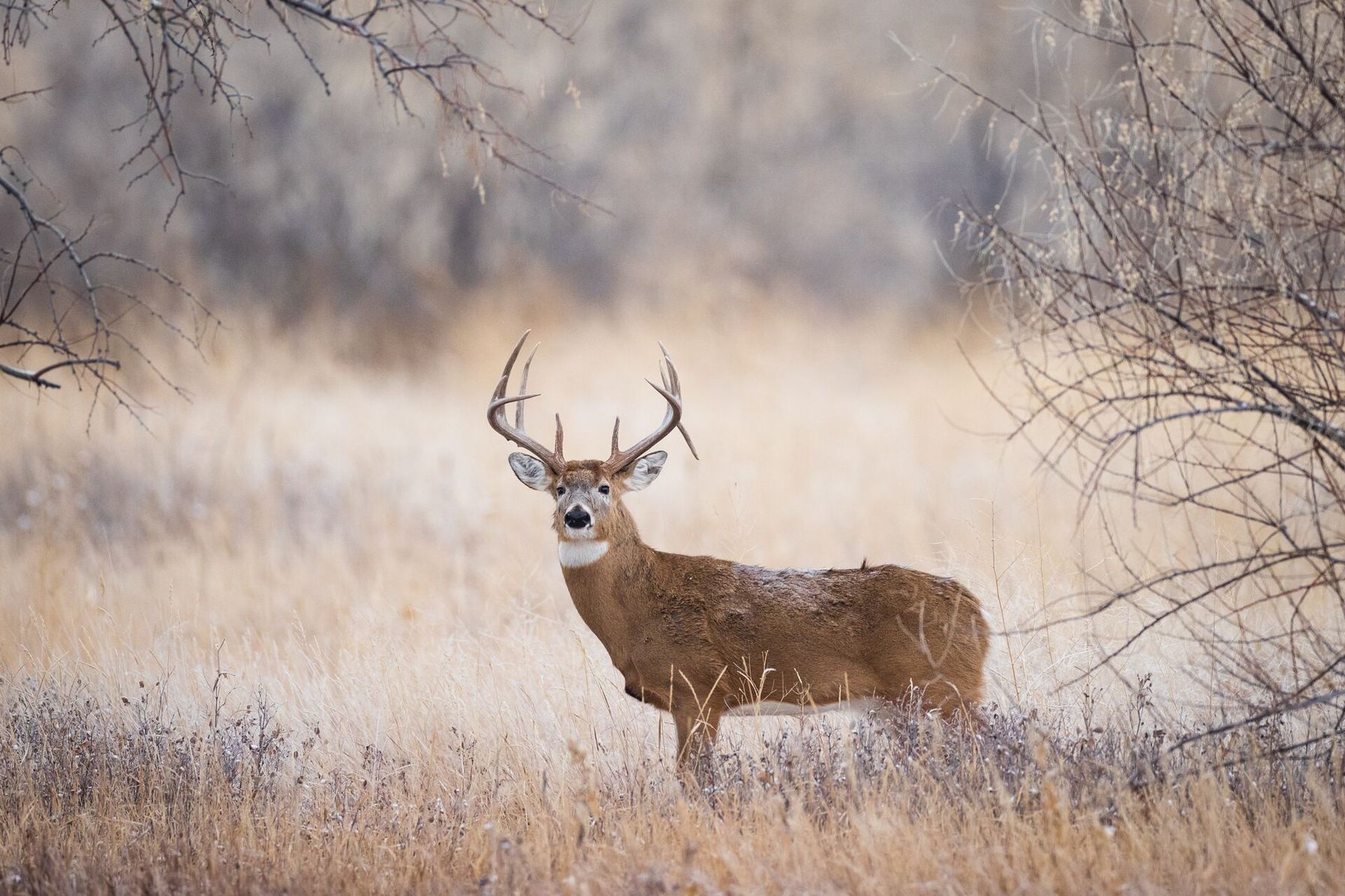
Public vs. Private Land Hunting
Georgia offers diverse hunting opportunities across both public and private land hunting options.
Determining which option is best for bringing home the deer you're after this season will require an analysis of your budgeting, hunting experience, capabilities, and any withstanding or ability to build a relationship with a private landowner.
Let's look at the two options below.
Public Land Hunting
Public hunting refers to hunting any federal, state, or local land managed by a wildlife authority and designated as a park, forest, grassland, or management area that offers hunting opportunities within these designated areas.
These lands include Wildlife Management Areas (WMAs), zones managed by the Georgia Department of Natural Resources, and National Forests. Although these areas may receive higher hunting pressure than private options, the draw of a DIY hunt and the feeling of accomplishment you get after a successful hunt make public hunting a popular option in Georgia.
Private Land Hunting
Private land hunting allows more privacy, selectivity, and, often, the opportunity to hunt bigger bucks.
Hunting privately requires permission from a private landowner, often as a legal, binding agreement with specific regulations and a clearly outlined timeframe for using the property.
Some private landowners will offer hunting leases. Leases are a great option if you're looking for trophy potential and higher numbers to avoid the hunting pressure of the popular WMAs. You can find lease opportunities on online forums, hunting websites, and the Georgia Wildlife webpage, which has tons of great information on the different hunting opportunities.
How to Find Land to Hunt Deer in Georgia
Finding a good place to hunt takes research before the season opens. Follow these steps to narrow your options and put yourself in front of deer.
- Decide between public and private land. Public land costs less and offers more freedom to explore, but it usually means more hunting pressure. Private land offers more privacy and better trophy potential, but it takes more effort and often costs more.
- Search Georgia’s Wildlife Management Areas. Use the Georgia Department of Natural Resources (DNR) website and the Go Outdoors Georgia app to browse WMAs by region. Compare acreage, terrain, and hunt dates, and note any quota hunts that require an application.
- Look at national forest land. The Chattahoochee-Oconee National Forest covers much of north and central Georgia and offers plenty of room to spread out. Confirm which WMA rules apply to the section you plan to hunt, because regulations can change when you cross a boundary.
- E-scout with a hunting app. Open HuntWise to view public land boundaries, property lines, and landowner details. Use LiDAR and topographic layers to find ridgelines, funnels, and bedding areas away from roads and parking areas.
- Ask landowners for permission the right way. Introduce yourself in person or by letter before you ask to hunt, and share your hunting and conservation values. Offer something in return, such as a share of the meat or help with chores, and always carry written permission on the property.
- Explore leases and hunting clubs. Check online forums, social media groups, and local hunting clubs for lease openings. Ask the club about its rules, membership costs, and land management before you commit.
- Scout in person before the season. Walk your chosen property to look for tracks, rubs, scrapes, and trails. Hang trail cameras and pick stand locations that give you a clear approach and a good wind.
Once you have a few options lined up, check the current Georgia regulations for each property and finalize your plan. Early research pays off, so start your search well before opening day.
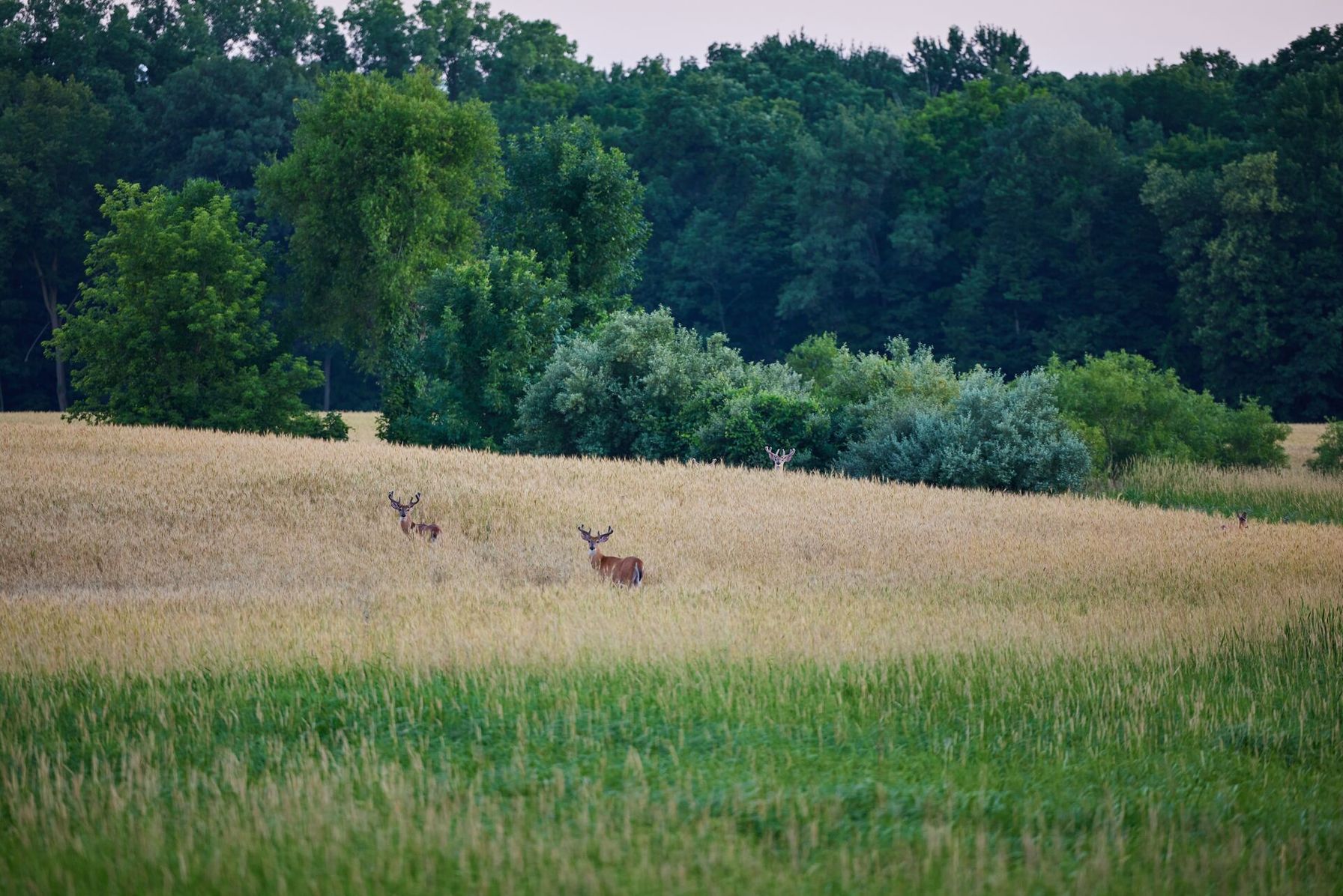
All About Georgia Wildlife Management Areas
WMAs (Wildlife Management Areas) offer hunters the opportunity to explore the incredibly biodiverse Georgian landscapes, chasing deer doing what they do best.
While some of the best hunting happens in the upper coastal plains and Piedmont areas, there are great opportunities all over these carefully managed zones, from the coastal marshes and swamps to the mountains of the north.
- Dawson Forest. When selecting a WMA, look for diverse zones with mixed environments, such as the Dawson Forest, which comprises 25,000 acres of foothills, valleys, mountains, and gorges. In recent years, some impressive bucks with stunning conditioning have been taken in this WMA.
- Piedmont National Wildlife Refuge. This upland forest consists of 35,000 acres of rolling terrain of mixed pine and hardwood. This terrain makes it prime deer country and one of the strongest public deer hunting opportunities the state has to offer.
- Cooper Creek WMA. At the base of the Appalachians, you'll uncover 30,000 acres of beautiful mountain scenery within the Chattahoochee National Forest to hunt. Nice river runs and hiking trails help you push deeper and chase those harder-to-reach deer.
- Blanton Creek WMA. For one of the more scenic hunts Georgia offers, the Blanton Creek WMA extends over 4,800 acres following the Chattahoochee River. Acorn trees in this area provide prime deer habitat.
While the requirements for each WMA may vary, a WMA permit, some refuge-specific permits, and lottery drawings in selected areas such as Piedmont will generally be required.
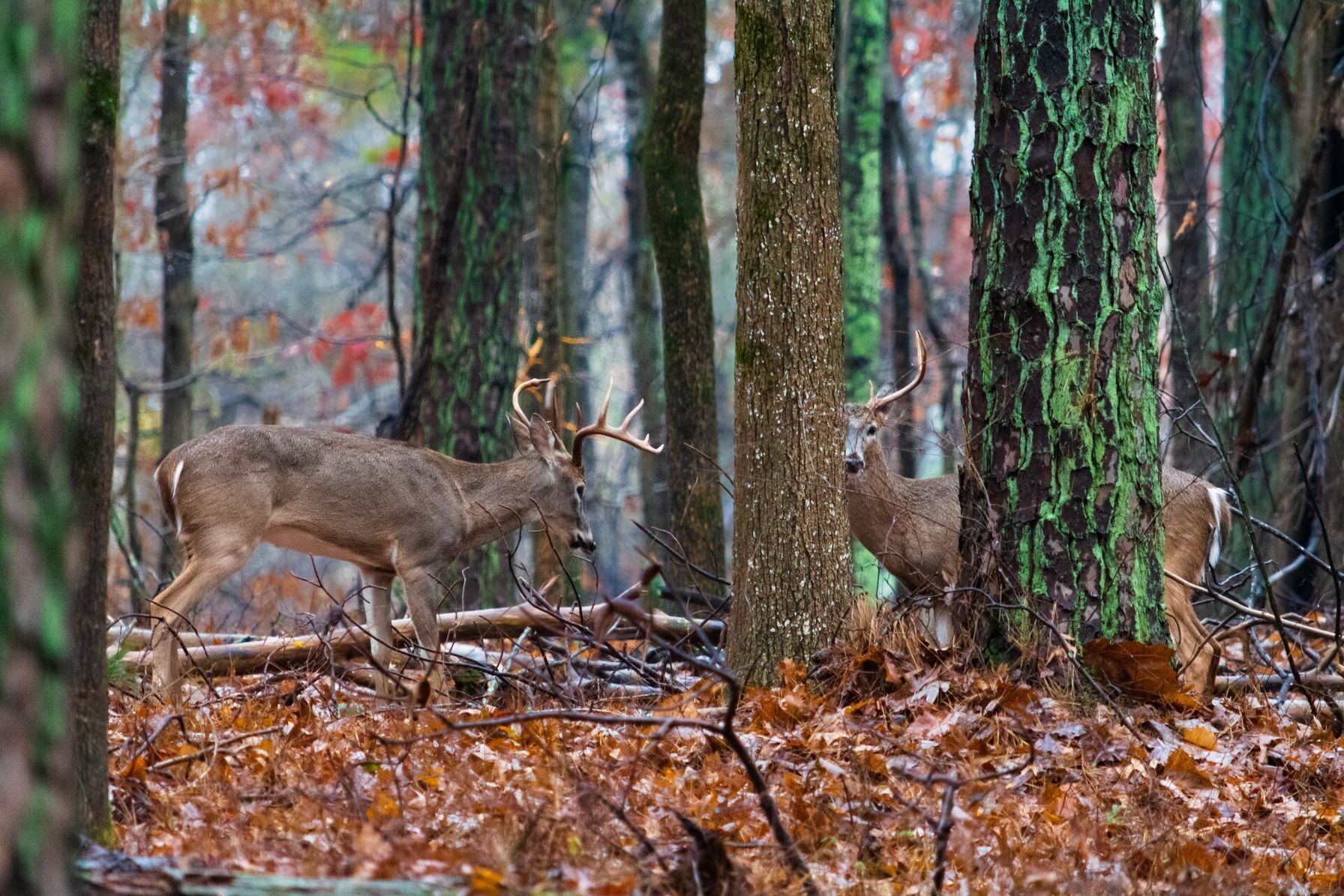
What About National Forests?
Spanning 26 counties and covering 867,000 acres, the Chattahoochee-Oconee National Forest offers some of the strongest forest hunting opportunities in the north of Georgia and the entire state. The forest's mix of hardwoods, pine stands, and food plots provides excellent habitat for deer, and the mix of mountains, hills, and water-based hunting means opportunities for a diverse range of hunters and hunting strategies.
Entry for a hunt will depend on the WMA within the forest. However, numerous access points exist. Just ensure you're hunting within the specified WMA, as rules may change once you've left these zones.
Go Where Other Hunters Aren't
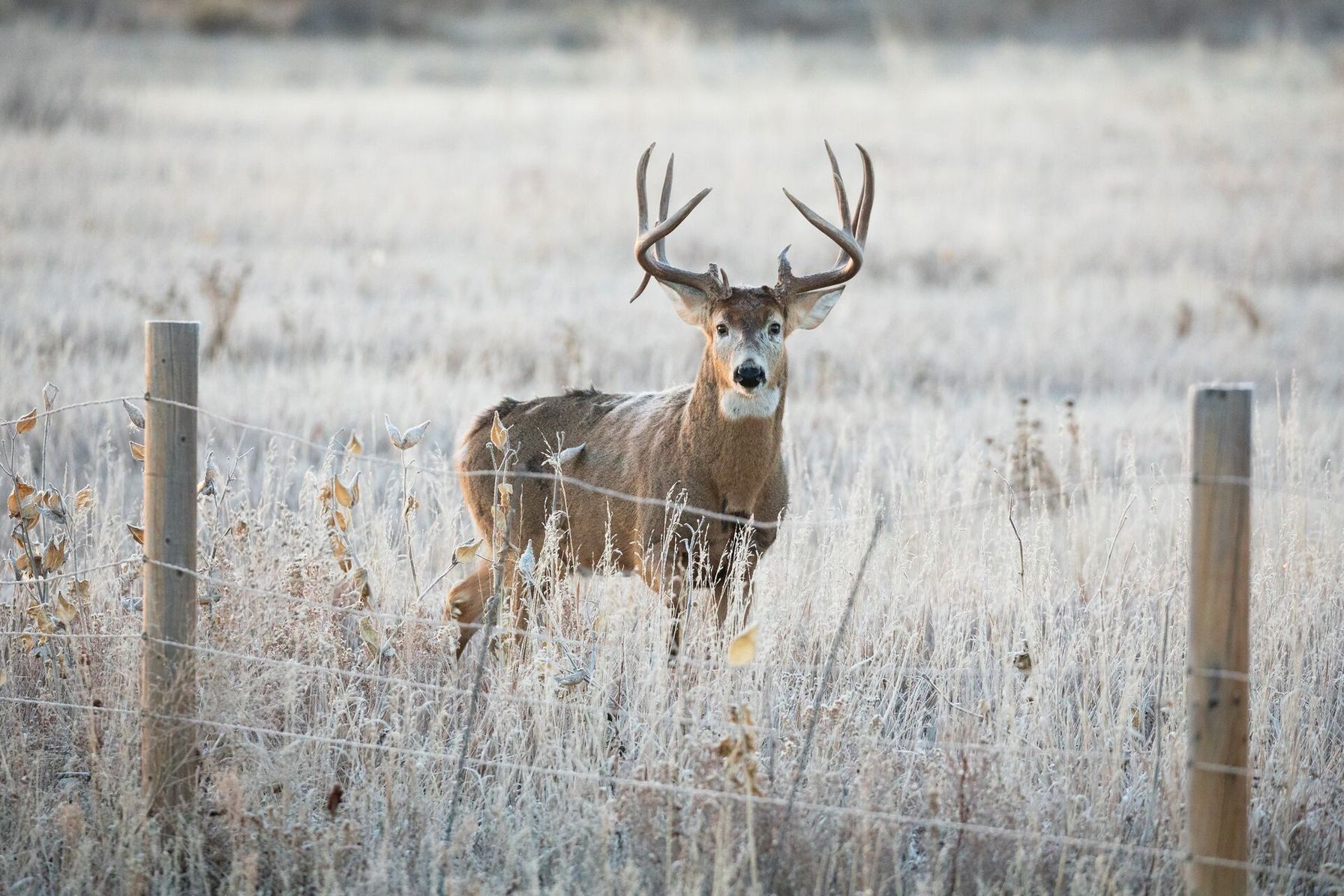
My number one tip for public land hunting is finding locations where other hunters will not be (easier said than done). This process begins with e-scouting and looking for habitats that provide cover and terrain features that may serve as deer passageways or access points.
If you're starting in prominent locations near food sources incredibly close to entry points, such as main roads or parks, there's a much higher chance you'll encounter fellow hunters.
Wherever possible, spend time in your chosen location to scout, look for deer signs, establish trail cams, and consider potential stand locations.
Finding Private Land and Clubs
If public hunting land is proving to be a challenge for tagging out, you may want to consider private land hunting to overcome issues arising from high hunting pressure.
This generally takes the form of two strategies.
- The first is hunting through an all-inclusive camp-style hunt that will put you onto deer.
- The second is to explore land available for hunting by speaking directly with private landowners and organizing a hunt.
That's why we recommend using the HuntWise private landowner feature to access details of private landowners in Georgia.
Accessing private land is often a numbers game, and resilience and persistence pay off in the long run. A lot can be said for an honest, respectful, and open solicitation to use private land, or starting a relationship with someone in your area (first) and then growing that into a request to hunt their land.
Avoid a Cold Call
Even though the HuntWise app provides publicly available contact information (including phone numbers) for landowners, a cold call can be intrusive and shut down your request before you make it.
Try a different approach and prioritize people vs. a hasty ask to hunt someone's land.
Send a letter or simply knock on the landowner's door and share your hunting philosophy and view on conservation and hunting. Starting with a conversation gives you the opportunity to look for commonalities (it can help to know hunters who have previously hunted the land) that you may share with the landowner.
Always offer something in return, whether this is game meat, the offer to do some chores around the property, or something else.
Look for Local Clubs
Hunting clubs are an invaluable source of insights, experience, and community support. These clubs typically pool resources from all members, which helps spread the cost of leases, land management, and maintenance, providing members access to well-managed land with less pressure.
Search online, dive into forums, and search social media pages to find the right club. Don't be afraid to reach out to the Georgia DNR to ask about the reputation of various hunting clubs, and head to the club in person to speak to active members.
Pre-Season Preparation for Any Land You Plan to Hunt
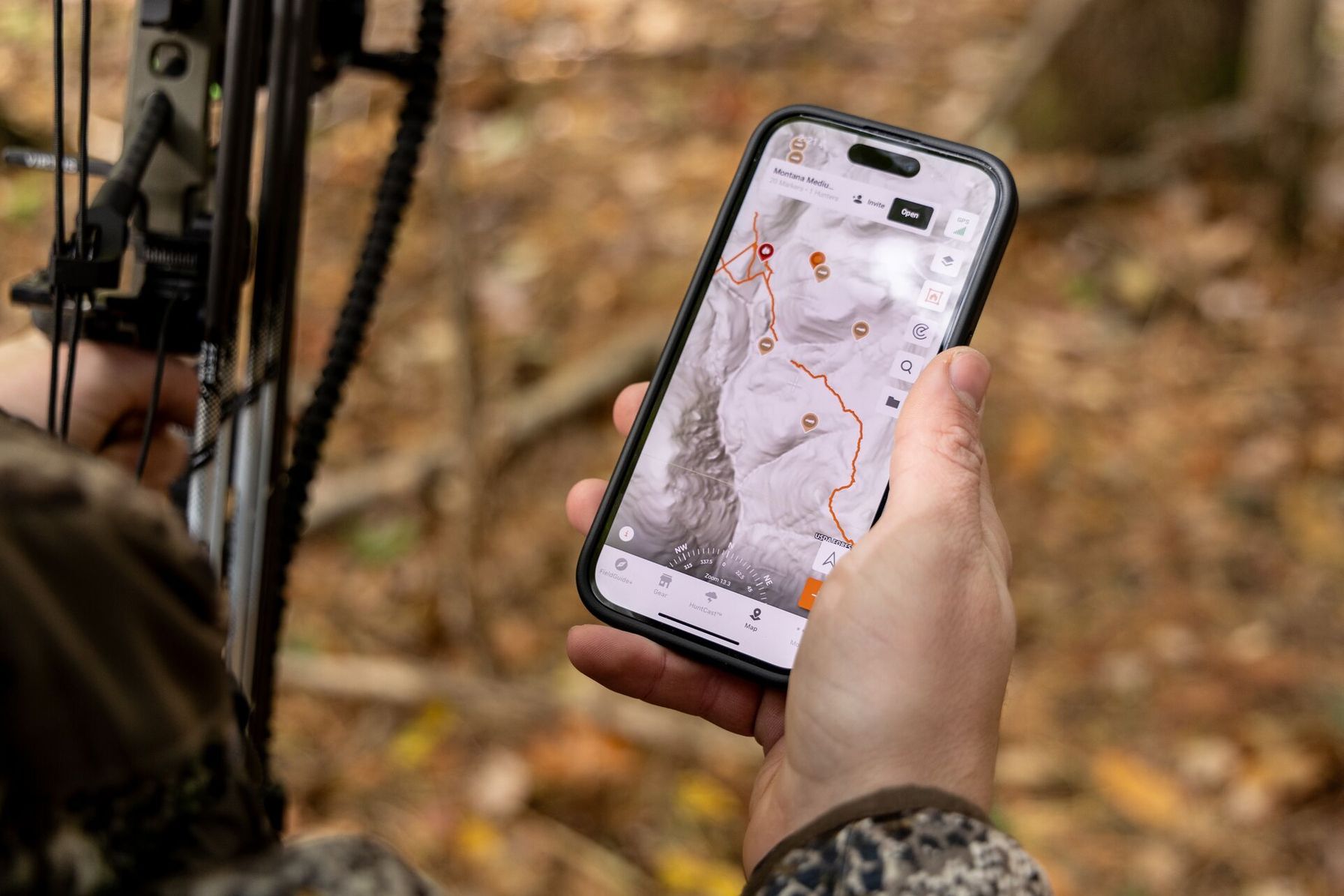
No matter where you plan to hunt, start by leveraging mapping tools, specifically unique features such as HuntWise's LiDAR capabilities, to uncover elevation changes and locate prime ridgelines and valleys that other mapping features may overlook.
The topographic overlays will also help paint a picture of deer movements and provide insights into how they may use the land to shift between feeding, drinking, and bedding stages.
These minor points of difference will allow you to open up more hunting opportunities away from high-pressure zones. Once established, set markers and head out on foot to observe deer trails, scrapes, and markings that will confirm deer presence.
Check the Regulations
Always check the latest season regulations and location-specific rules before heading out, as these are subject to change.
Trespassing is a serious crime, so leverage the HuntWise app to stay on top of all public hunting zones and property boundaries. Remember always to have written permission if hunting on private land and have it on you.
Georgia Deer Season Dates 2026–2027
Georgia’s deer season starts in September and runs into the new year. The dates below apply to private land, and WMA hunt dates can differ, so check your area’s regulations before you go.
Georgia Deer Season Date: 2026–2027 | |
|---|---|
| Archery | September 12, 2026, through October 9, 2026 |
| Extended Archery (Select Counties) | September 12, 2026, through January 31, 2027 |
| Antlerless-Only Firearms (Most Counties) | October 3, 2026, through October 4, 2026 |
| Primitive Weapons and Youth-Only Firearms | October 10, 2026, through October 16, 2026 |
| Firearms (Statewide) | October 17, 2026, through January 10, 2027 |
| Extended Firearms (Select Southwest Georgia Counties) | October 17, 2026, through January 15, 2027 |
The statewide bag limit is 12 deer per license year. That includes no more than 10 antlerless deer and no more than 2 antlered bucks.
Uncover Prime Hunting Land for Georgia Deer Season 2026 With HuntWise
The rugged beauty of Georgia's mountains and forests, substantial deer population, and hunting tradition make Georgia deer season 2025 a go-to location for locals and out-of-staters.
To make sure you tag out, download the HuntWise app to discover prime hunting locations overlooked by other hunters or access private landowner details to organize a hunt on your own private slice of paradise.
Content most recently reviewed and updated for accuracy October 23, 2026.
Frequently Asked Questions (FAQs)
We have answers to your questions about finding public landing hunting areas for deer season in Georgia!
Q: What types of land can you hunt deer on in Georgia?
A: You can hunt deer on both public and private land in Georgia. Public options include national forests, Wildlife Management Areas (WMAs), and some state parks where hunting is permitted, while private land requires permission from the landowner.
Q: How do I find public hunting land in Georgia?
A: Start with the Georgia Department of Natural Resources (DNR) tools, such as the Go Outdoors Georgia app and the WMA maps on the DNR website. You can also use a free 7-day trial of HuntWise to view public land boundaries, map layers, and landowner contact information.
Q: Can you lease land for deer hunting in Georgia?
A: Yes. Many Georgia hunters lease private land for deer hunting, either directly from landowners and timber companies or through a hunting club. Leases often give you less hunting pressure than popular WMAs, so they are worth a look if you want better trophy potential.
Q: Do I need a permit to hunt on public land in Georgia?
A: In most cases, yes. Along with your hunting license, Big Game license, and free Harvest Record, you generally need WMA access, and some popular WMA hunts also require you to apply for a quota hunt in advance.
Q: When is deer season in Georgia?
A: Archery season runs September 12 through October 9, 2026, and primitive weapons season runs October 10 through October 16, 2026. Firearms season opens October 17, 2026, and runs through January 10, 2027, with extended dates in some counties.
Q: What is the deer bag limit in Georgia?
A: Georgia allows 12 deer per license year. No more than 10 can be antlerless, and no more than 2 can be antlered bucks.
Q: Do you have to wear hunter orange when deer hunting in Georgia?
A: Yes, during primitive weapons and firearms deer seasons. Hunters must wear at least 500 square inches of fluorescent orange or fluorescent pink above the waist.
Q: Do you have to report a deer harvest in Georgia?
A: Yes. Record the deer on your Harvest Record before you move it, then report it through Georgia Game Check within 24 hours. If you use a processor, give them your confirmation number.


