

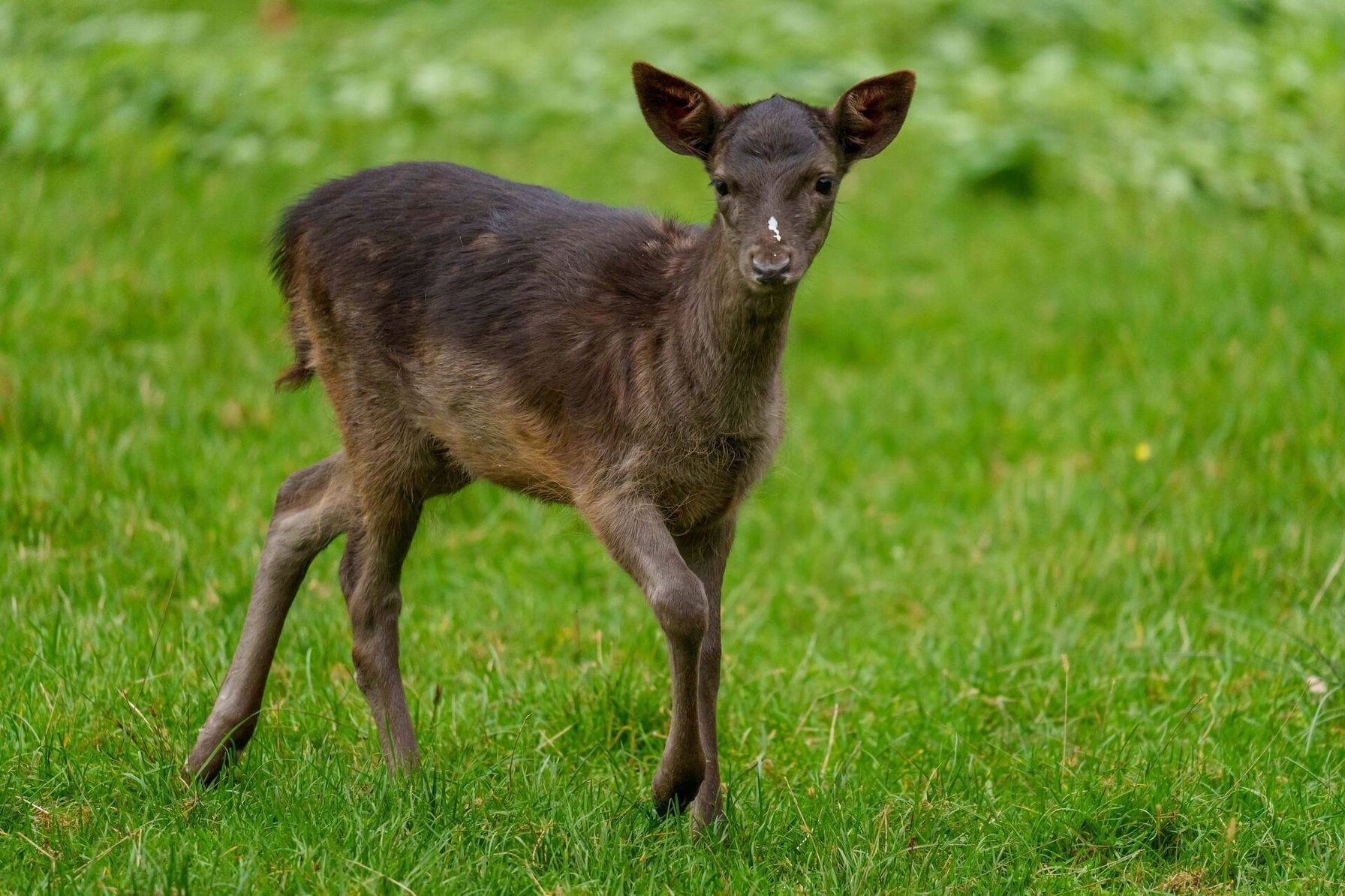
Although they are rare, these deer can be spotted in various parts of the US, adding a touch of mystery and intrigue to the natural world. These whitetail deer, known as melanistic deer, are a marvel to both deer hunters and naturalists, sparking a sense of awe and curiosity across the nation.
To better understand their rarity, we're exploring the science behind their coloration and offering some strategies for spotting one of these stunning creatures. Keep reading to learn all about black deer.
| In This Guide: |
Updated May 15, 2026
| Black Deer: Quick Facts |
| How Rare: 1 in 500,000 whitetails |
| Found in: TX (Texas's Edwards Plateau region), MI, MI, VA, PA, SC |
| Legal to Hunt: When & Where whitetail are legal in states where black deer are found |
How Rare Are Black Deer?
Black deer, characterized by their dark fur, are scarce, with some estimates suggesting they make up less than 1% of the deer population.
While Melanistic whitetails have been spotted in various states, central Texas, specifically Edwards Plateau and Hill Country, boasts the highest number of black deer. This intriguing fact has sparked speculation about whether an adaptability component to this trait is crucial for survival, a mystery researchers have yet to unravel.
Why Are Black Deer So Rare?
Several factors contribute to the overall rarity of black deer, including:
- Genetic factors: As the mutation is recessive, parents must carry the gene for it to be passed onto offspring. This reduces the likelihood of a melanistic deer being born – so if you see one, you should feel extremely lucky.
- Survival: The deer's coloration can make them stand out more in other environments, making them more vulnerable to potential predators.
- Adaptation: Conversely, in darker, thick environments with high levels of coverage or near deep drainage, they benefit from stronger camouflage, making them even harder to spot.
If you spot one of these deer, take a moment to soak in the moment and realize you're seeing something many hunters will never see.
What Is Melanism?
Melanism refers to the dark coloration of several animal species due to an inherited recessive genetic trait. This coloration can occur in the skin, fur, or feathers and is believed to be due to a mutation in the melanocortin 1 receptor gene.
This coloration can be relatively uniform and will give the deer a dark brown or black appearance across its entire body.
Similarly, genetic differences, such as albinism and leucism, which result in a lack of pigmentation, can cause white deer. Unlike melanism, albinism and leucism can contribute to other visible health defects, such as shorter legs.
How To Spot Black Deer (Or At Least Enhance Your Chances)
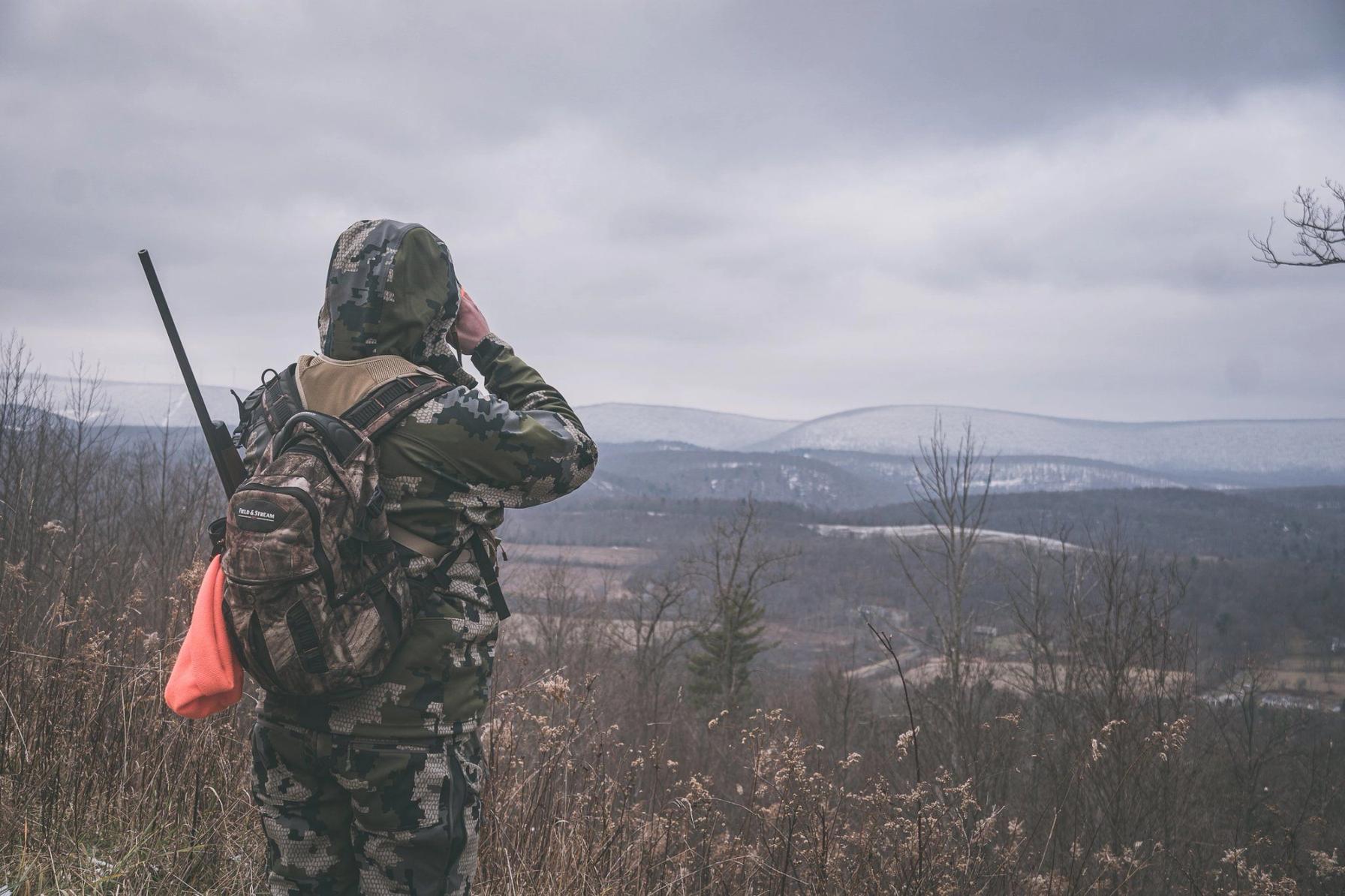
Besides the excess dark pigmentation, black deer exhibit the same behaviors and grouping as regular deer. Strategies like e-scouting high-potential zones, glassing, and investing in a solid pair of binoculars are all great ways to get started.
Here are some additional tips to help you on your hunt for the stunning black deer.
Step 1: Location Matters
Statistically, you're much more likely to spot a black deer in the central regions of Texas, which are Blanco, Burnet, Caldwell, Comal, Guadalupe, Hays, Travis, and Williamson.
These counties are home to the highest known rate of melanistic deer in the Country. So, if seeing a black deer is on your list of things to do, plan a trip to these places in Texas and hope for the best.
Before you get there, use HuntWise and RutCast to target the best whitetail movement times and areas within the ideal black deer locations.
Step 2: Account for Time and Patience
Just like hunting any deer, the more time spent in the field and burning boot leather, the higher the likelihood of spotting a melanistic deer. Make sure you're out during high activity periods at dawn and dusk to boost your chances of a sighting even further.
Step 3: Leverage Trail Cameras and Technology
Strategically placed trail cameras can showcase deer movement and monitor activity in your area. This can help you identify melanistic deer patterns and establish a plan to spot one in its natural habitat.
Step 4: Reach Out to Private Landowners
Private ranchers and landowners may have melanistic deer on their property, and it can be worthwhile to reach out or gain local knowledge about the presence of black deer.
With the HuntWise mapping feature, you can explore public and private land boundaries and even access contact information for private landowners to request hunting permission. You never know; they may have a black deer in the back garden!
How to Hunt Black Deer
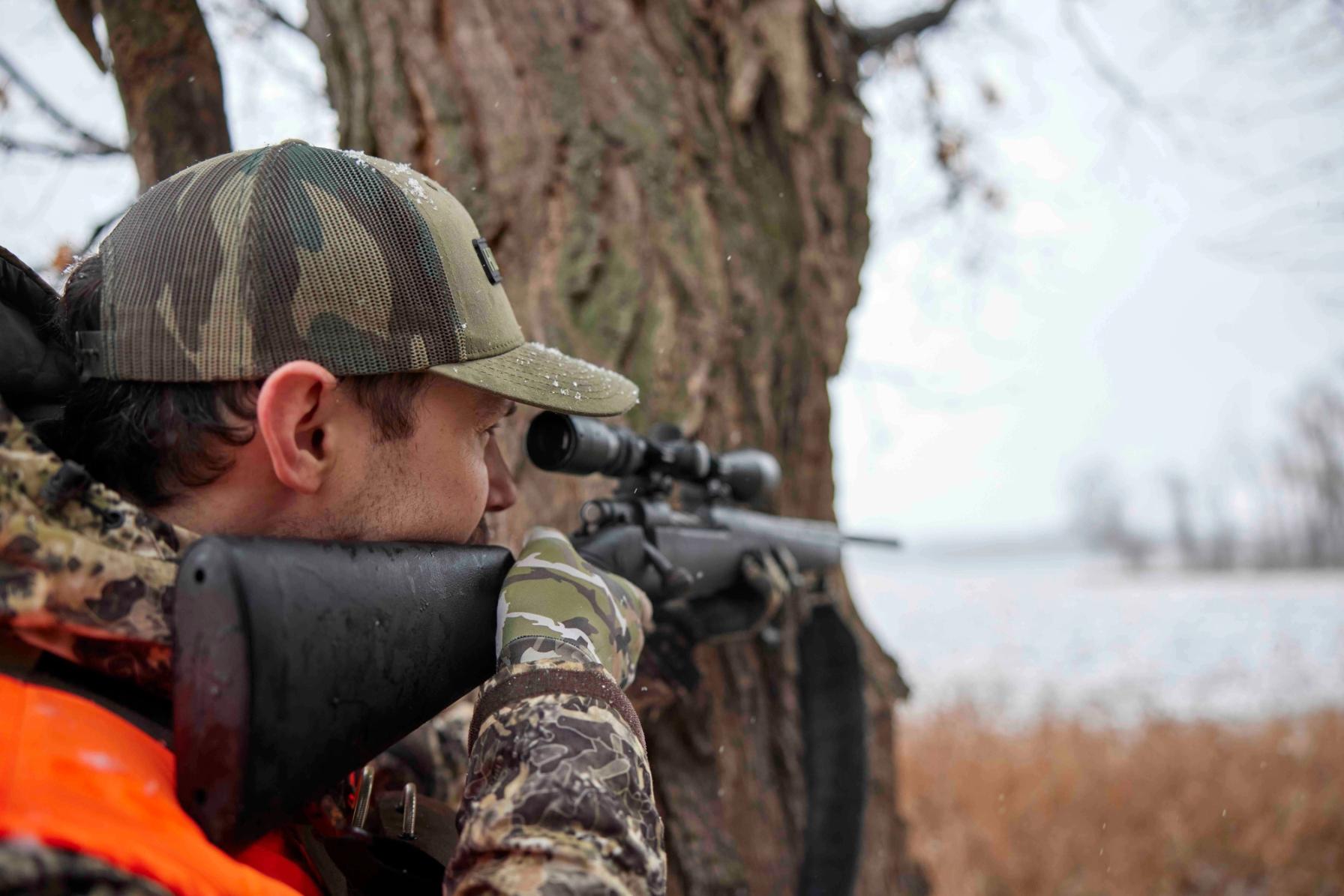
Hunting black deer is typically legal anywhere you can legally hunt whitetail deer. Most states do not place restrictions on hunting black deer since they are technically whitetail deer. Here are a few steps to follow to hunt black deer.
- If you spot a black or unusual-colored deer, do not shoot until confirming state legality. A melanistic deer's extraordinary rarity means your first instinct should be restraint, not reflex. Take a breath, hold your shot, and treat the sighting as the once-in-a-lifetime moment it likely is. Rushing a decision on an animal this uncommon is never worth the legal or ethical risk. However, if you are hunting during legal whitetail season, chances are it's legal to shoot a black deer (if you see one).
- Check state regulations. For example, TX, IA, IL, MT, MS, OK, TN, and WI restrict piebald/albino harvest. Laws vary widely and can be nuanced, sometimes protecting any deer with unusual coloration, which may include melanistic animals, depending on how the statute is written. Look up your state wildlife agency's current regulations before the season begins, and when in doubt, call your regional game warden for clarification. Ignorance of the law is not a legal defense. Make sure can also tell if the deer is a buck vs doe and legal based on the season (antlered vs. anterless).
- Document with photos and GPS coordinates. Whether or not you intend to harvest the deer, photograph it from as many angles as possible to capture the full extent of its coloration. Record precise GPS coordinates of the sighting, the date, time, and habitat type. This information has real scientific value and may be requested by wildlife biologists.
- Note the deer's behavior. Observe how the melanistic deer interacts with others in the group. Researchers have documented that normally colored deer sometimes behave aggressively toward melanistic individuals. Record how the animal moves, its apparent age and sex, and whether it appears with other deer. Behavioral notes add context that photos alone cannot provide.
- If harvested where legal, contact a taxidermist immediately. A melanistic deer is an exceptional trophy and deserves expert handling from the moment it hits the ground. Keep the animal as cool as possible, avoid unnecessary field cuts, and reach a professional taxidermist as quickly as you can. Many taxidermists have limited experience with this color phase, so be upfront about what you have so they can prepare accordingly.
- Report sightings to the state DNR for biological tracking. Wildlife agencies actively want to know about melanistic deer, and your sighting (harvested or not) contributes to population research that is still very much ongoing. Submit your photos, GPS data, and behavioral notes to your state's department of natural resources. Some states have formal reporting systems. Others simply ask that you contact a local wildlife biologist directly.
To Hunt or Not to Hunt Black Deer
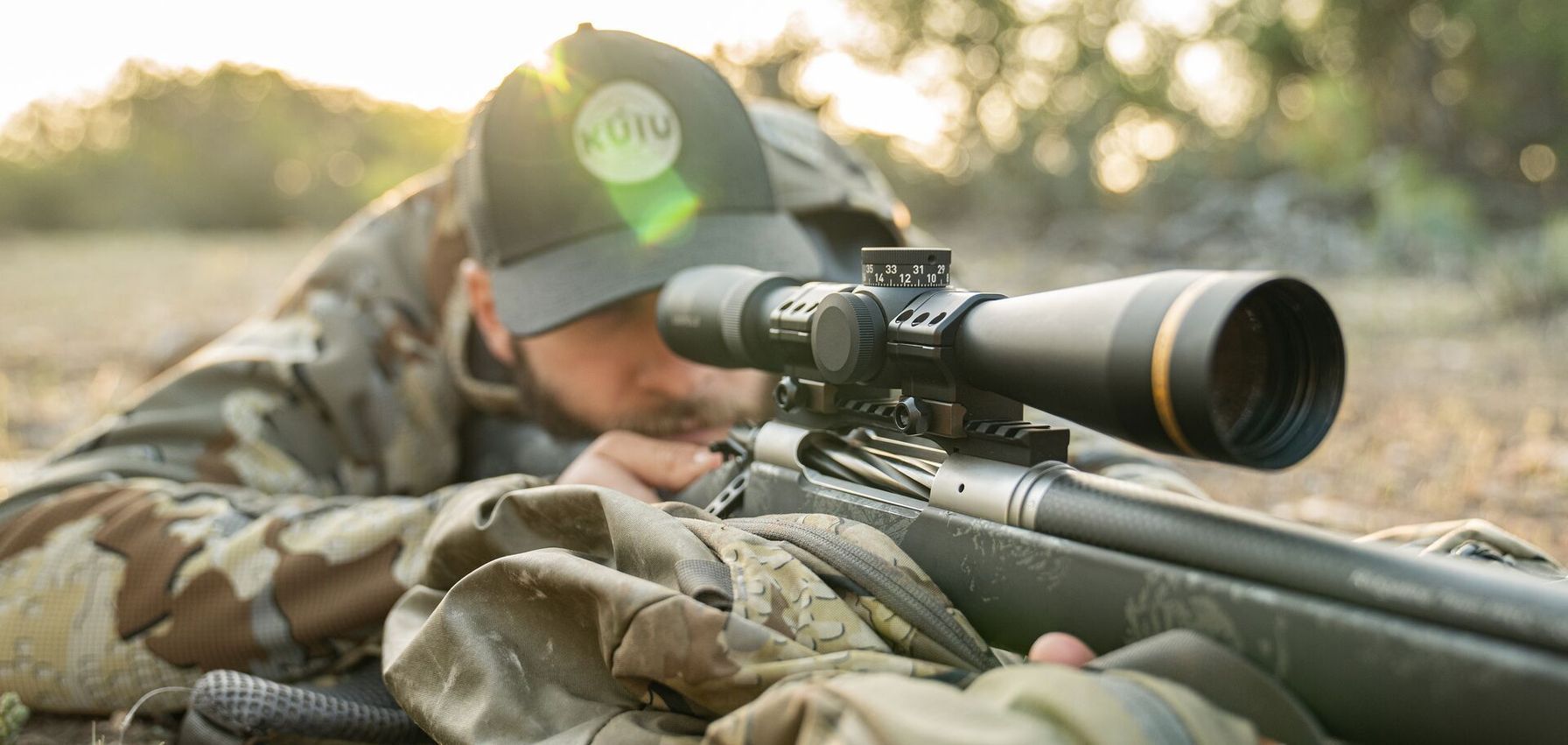
So, should you shoot one if you see one? Consider a few things before pulling the trigger or letting your arrow fly at a black deer.
Taking a Trophy
For many hunters, hunting and taking a black deer is a unique trophy representing an encounter with one of the rarest anomalies.
Regarding physiology, there is no difference between melanistic and regular whitetails other than the coloration pattern, and the meat is safe to be harvested.
So, if you plan on taking one, it will be for a stunning wall mount and bragging rights over your hunting buddies.
Ethical Considerations
Given their rarity, many hunters and conservationists may choose not to hunt black deer, opting to appreciate these unique creatures in their natural habitat instead. Even a sighting can be a once-in-a-lifetime experience, fostering a sense of responsibility and consideration for these rare animals.
Additionally, hunters may consider that by sparing a melanistic deer, they are preserving and propagating the continued breeding of this rare deer. However, there is little evidence to support this claim.
Regulations and Best Practices
Always check local regulations regarding deer hunting in your chosen zone. However, due to their rare status, there are no specific rules or restrictions regarding hunting melanistic deer.
There are, however, restrictions regarding the hunting of albino deer.
For insights on "to shoot or not to shoot," it's best to ask for local opinions regarding hunting black deer in your intended area. Some black deer have become legends in regional areas, taking on an almost mascot-like role in the communities they've been spotted in.

Improve Your Chances of Spotting a Black Deer With HuntWise This Season
Spotting a black deer is an extraordinary event. They're a testament to the diversity and wonder of the natural environment and world we live in.
HuntWise mapping, e-scouting, and understanding the natural habitat are all strategies that can bring you closer to setting eyes on this rare deer. With the HuntWise App, you'll skyrocket your chances of spotting a black deer. If you're a hunter, your general hunting yield will improve throughout the season with the advanced mapping features, wind and weather indicators, and rutting insights.
To help you track deer movement and plan your hunt, download HuntWise and explore the app free for a week.
Content most recently reviewed and updated for relevancy May 15, 2026.
Frequently Asked Questions About Black Deer (FAQs)
Q: How rare is a black (melanistic) deer compared to an albino?
A: Melanistic deer are considered the rarest color variation in white-tailed deer, estimated to occur in as few as 1 in 100,000 to 1 in 500,000 deer, depending on the source. By comparison, true albino deer appear at a rate of roughly 1 in 30,000. Of the tens of millions of whitetails harvested in the modern era, only a handful of black deer have ever been officially documented.
Q: Where are black deer most often seen?
A: Central Texas is by far the hottest spot on earth for melanistic deer. Researchers have found that a cluster of eight counties (Blanco, Burnet, Caldwell, Comal, Guadalupe, Hays, Travis, and Williamson) likely holds more black deer than the rest of the world combined. Scattered sightings have also been reported in Mississippi, Michigan, Virginia, Pennsylvania, and South Carolina, and the mutation can theoretically appear anywhere whitetails are found.
Q: What causes melanism in deer?
A: Melanism results from a recessive mutation in the melanocortin 1 receptor gene (MC1R), which triggers an overproduction of eumelanin — the pigment responsible for dark coloration in skin and hair. Because the gene is recessive, both parents must carry it for a fawn to be born melanistic. Populations with smaller or more isolated gene pools, such as those in certain Texas counties, are more likely to express the trait because both parents are more likely to pass along the mutation.
Q: Is it legal to shoot a melanistic deer?
A: In most states, it is perfectly legal, as hunting regulations generally do not distinguish between melanistic and normally colored deer. Some states do protect albino or piebald deer by law, but those protections rarely extend to black deer. That said, many hunters choose to pass on melanistic deer out of respect for their rarity, hoping the animals will survive to breed and pass the trait along.
Q: Do black deer live as long as normal-colored deer?
A: There is no evidence that melanism shortens a deer's lifespan or compromises its health. Unlike piebaldism, which is associated with skeletal deformities and organ abnormalities, melanism appears to have little negative effect on body structure or antler development. In fact, the dark coloration may offer a survival advantage by providing better camouflage in forested environments and possibly offering some protection against UV radiation.
Q: Has anyone harvested a melanistic deer on camera?
A: Yes, though it is extremely uncommon. A Texas hunter named Eddie Stevenson shot a mahogany-colored melanistic buck in the Hill Country, and the story and footage were later featured on a hunting television program. A central Texas rancher has also documented harvesting two melanistic does on his family property, tracking them carefully via trail cameras before the hunts. Such on-camera harvests are considered among the rarest events in whitetail hunting.
Q: What's the difference between melanistic, piebald, and albino deer?
A: These three conditions all involve pigmentation, but in opposite directions. Albino deer completely lack melanin, resulting in a fully white coat and pink or reddish eyes. Melanistic deer overproduce melanin, giving them a uniformly dark brown to jet-black coat with normal-colored eyes. Piebald deer fall in between. A recessive gene reduces melanin in patches, leaving irregular white splotches on an otherwise normal coat. Piebaldism also tends to cause physical health problems such as curved spines and shortened legs, while melanism generally does not.


