

Odds are, many of them are not.
In the opening weeks of deer season, we sat down with Jeff Sturgis of Whitetail Habitat Solutions to tackle four whitetail weather myths that will change how you hunt.
Myth #1: Hunting the Pre-Storm is Ideal
Rain, snow, or sleet can make or break your hunting plans.
As the disruption of a big storm shifts deer movement patterns, successful hunting season opportunities will rarely arise. Rather than the pre-storm, the back side of a storm shows much more promise for bagging a buck.
Before a storm, whitetail can sense changes. As conditions worsen, deer often head to sheltered areas and stay put. Weathering the weather and heading out when conditions are settled often bears much more fruit than a pre-storm hunt.
When a storm clears, whitetail are hungry, on the move, and ready to feed. This is the perfect time to take to your treestand.
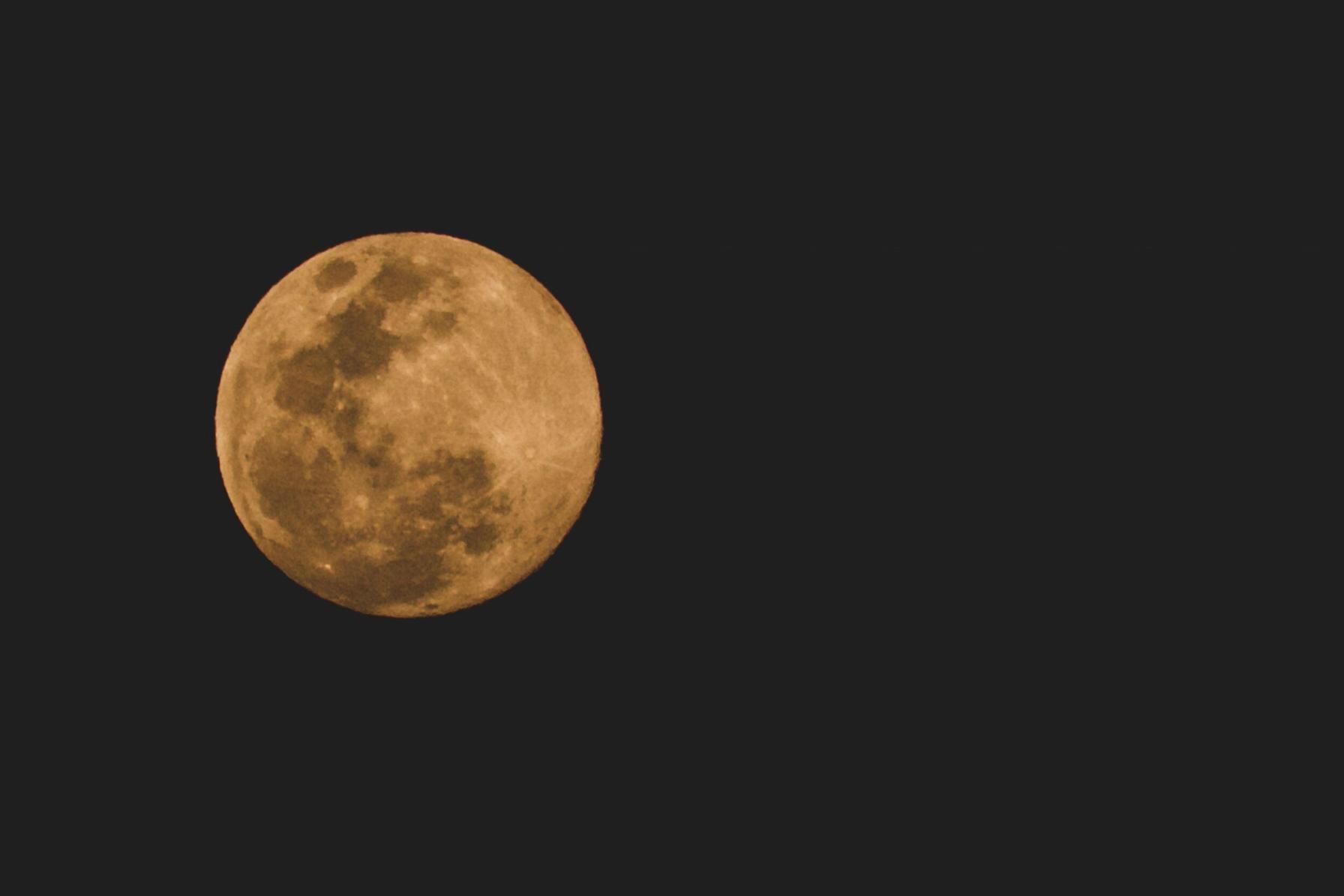
Myth #2: Always Hunt Based On the Moon
Moon phases have little to no impact on deer movement, but weather plays a much larger role.
Years' worth of research and data have uncovered absolutely no correlation between deer movement patterns and the lunar phases.
Jeff Sturgis urges hunters to "always consider the weather first, and the moon dead last."
If you strictly follow moon phases, predictions of when to hit the woods can be incredibly misleading. From this, bad weather can occur on a good moon phase day, and good weather can occur on a bad moon phase day.
Myth #3: Barometric Pressure Defines a Hunt
Whitetail deer do not have a barometric pressure indicator in their heads. Instead, they respond to physical, tangible, and observable changes in the weather.
Many hunting algorithms focus too heavily on barometric pressure. That's what makes the HuntWise algorithm so different.
With HuntCast, we use a 15-day forecast to generate peak movement alerts and localized rut detection. We even keep you in the know about whitetail deer phases.
HuntWise does the work so you can maximize your time by knowing the when and where of your hunt.
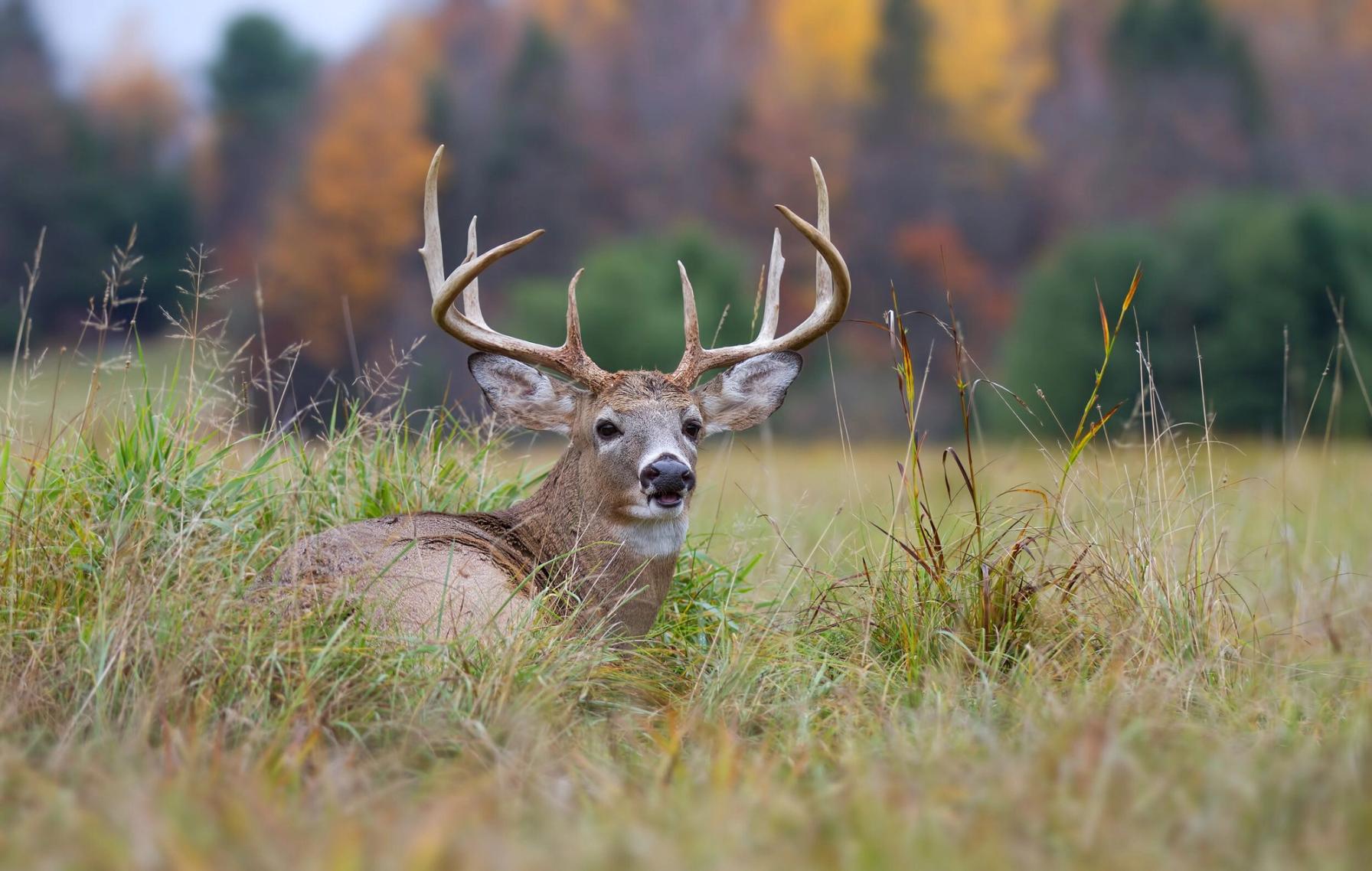
Myth #4: Deer Move More in Wind
The wind certainly affects deer movement, but not in the way that you'd think. There is a long-believed mantra that deer simply do not move in the wind: this is false.
As winds pick up, deer are on the move to get out of it. From this, it is important to recognize that as deer move away from the wind, you should, too.
When it comes to wind and hunting in the wind, work to get out of it. For success, head downwind of a switch grass field, a CRP (Conservation Reserve Program) field, conifers, or a ridge. In high winds, deer will move in these directions. Always find a spot where you can get out of the wind in a treestand.
Use HuntWise for Hunting Whitetail Deer Based on Truths (Not Myths)
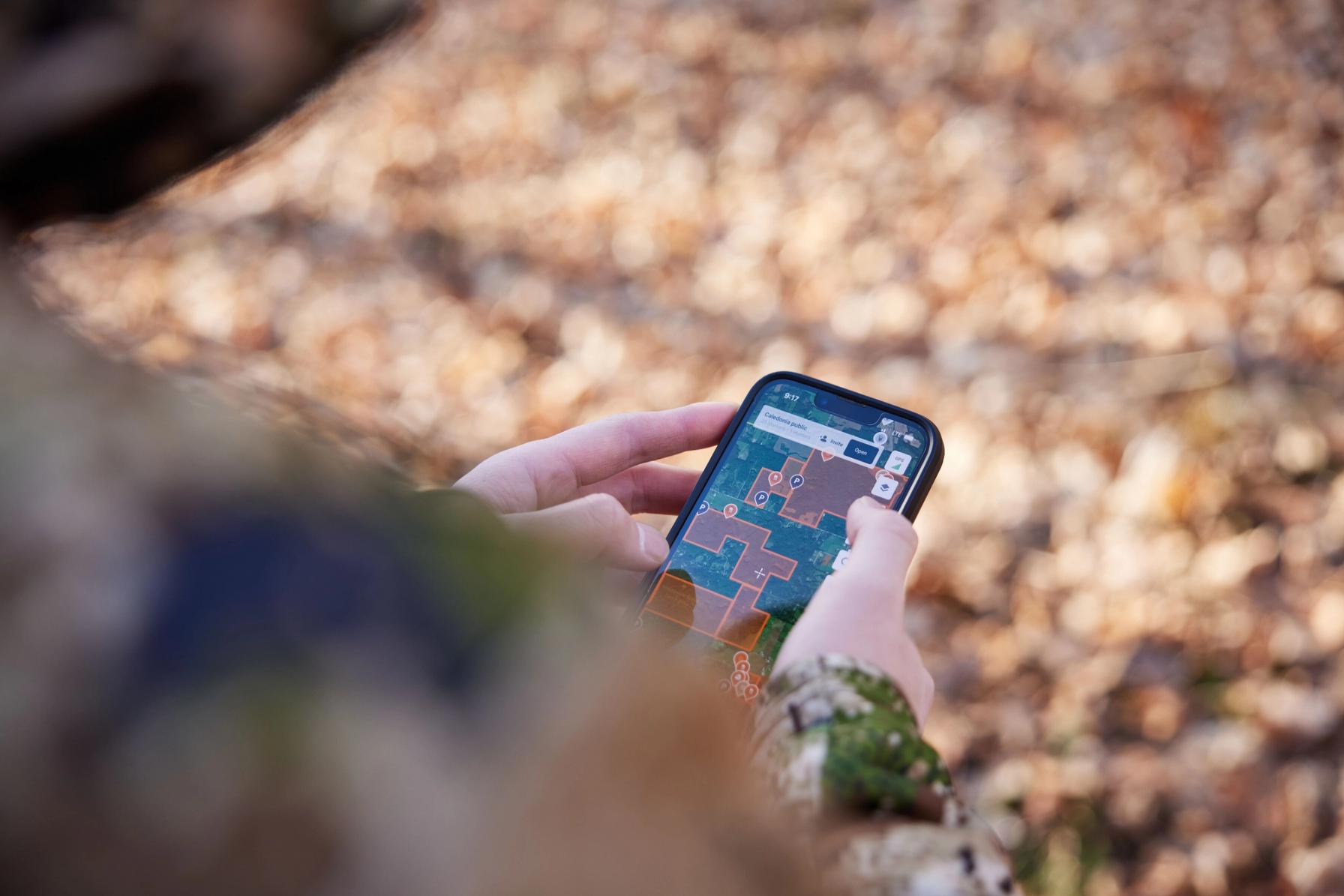
All in all, when hunting the wind, utilize HuntWise. Backed by 30 years of data, the HuntWise app is the most powerful deer prediction tool available to hunters. With our algorithm, you can make sure you are scent-conscious and wind-conscious to make the most of the ideal weather for hunting whitetail deer.
Before heading out, drop a pin to make sure you know the direction of the wind. Compare your hunting spots by the wind, and once you are out there, be aware of the direction the wind is taking your scent and try to keep the wind blowing in your face.
If you don't have HuntWise yet, what we've talked about today is only the tip of the iceberg of what you're missing for more successful hunts! Download the app and try it for free for a week on us.
Content updated May 24, 2024.


