

Not only does harvesting a nice coyote keep your skills as a hunter sharp for fall, but it also helps manage many of the species you love to hunt.
Considering coyotes are predators, deer, turkey, duck, and rabbit are all hunting targets for these predators and human hunters. Without controlling the coyote population, human hunters will struggle to find sufficient numbers of wild game to hunt each season. However, you must understand how to fool these predators to get inside their heads for a successful hunt.
Here are three simple tips for winter coyote hunting to help you scout the best land to find coyotes and end your hunting trip with a successful coyote kill.
Updated December 17, 2025
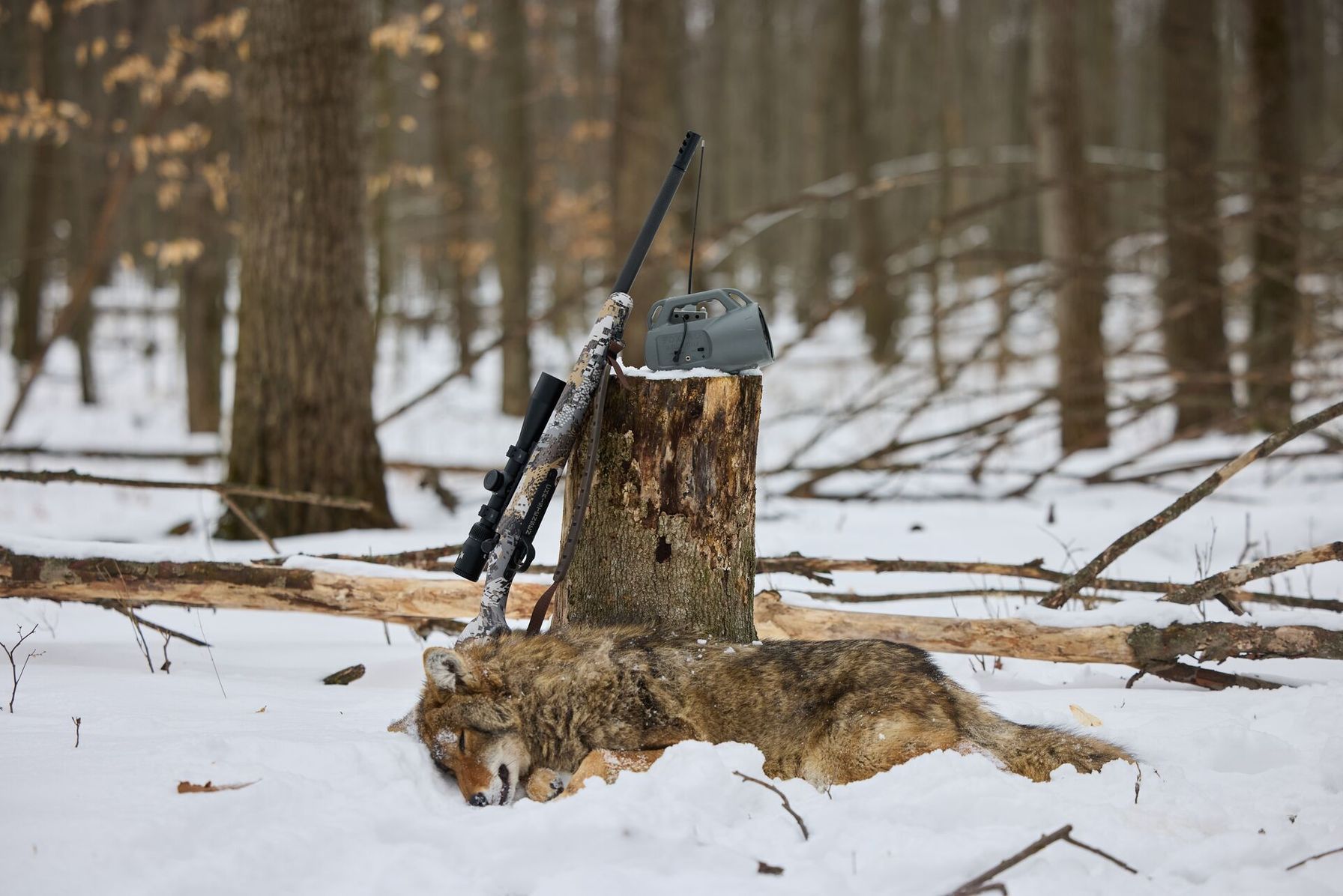
Why Winter is a Prime Time for Hunting Coyote
Winter is an ideal season for coyote hunting! Snow exposes tracks and travel routes, while hunger and heightened territorial behavior (especially during the January–February mating season) make coyotes more active and more responsive to distress calls and howls.
However, your success still depends on careful scent control, hunting downwind, staying well concealed, and often using decoys and electronic calls. Dressing in layers is essential, as patience and sharp listening are key when pursuing these wary predators.
Advantages of Winter Hunting
While many states offer year-round coyote hunting for predator control, hunting in winter offers distinct advantages over other seasons.
- Snow Visibility for Easier Tracking: Fresh snow makes tracks, trails, and coyote movement easy to identify.
- Hunger and Mating Season: Increased calorie needs and breeding behavior drive greater activity and aggression. You're more likely to see coyotes out and about during this time of year.
- Daylight Movement: Cold fronts often push coyotes to move more during daylight hours, improving visibility and opportunity.
Use the cold and snow to your advantage when going after coyotes.
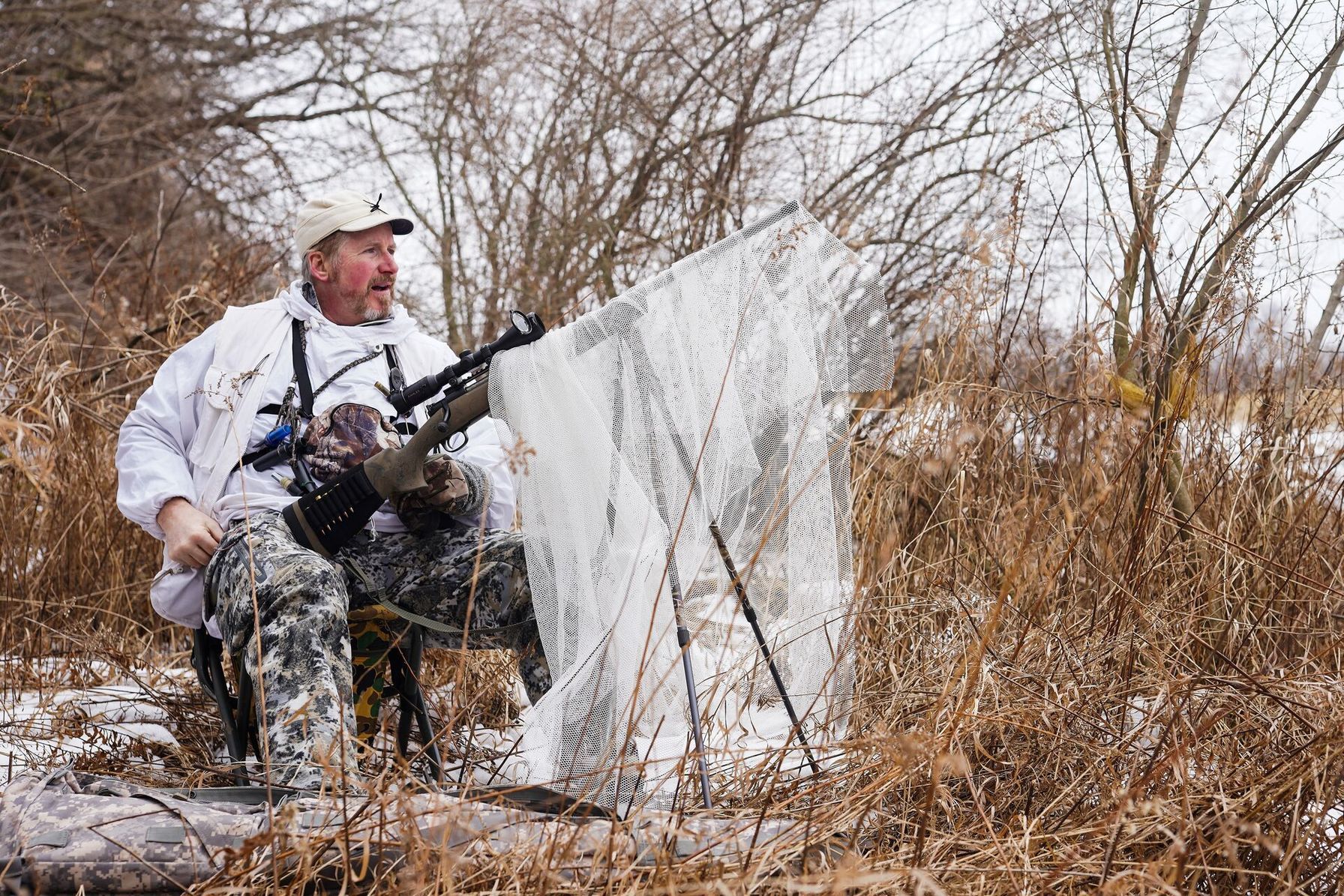
How to Hunt Coyotes in Winter: 3 Tips
You've got your layers on, and you're ready to hunt some coyotes in the snow and cold. Here are a few tips to help your time outdoors successful.
1. Locate "The Thick Stuff"
What do we mean by this? We mean to locate the areas where you think coyotes' prey could easily hide.
You're likely also to find coyotes where you find a coyote's prey. With snow on the ground, coyote prey has to be much more careful, as there is not as much "natural camouflage" for these animals to use to their advantage.
So, try locating brush piles, shelterbelts, and other similar hiding spots. This increases the odds that coyotes might lurk around in these areas. Consider hunting near field lines where the tree lines are very thick.
Use the HuntWise app and map layers to locate land boundaries with high potential for tree lines and brush.
2. Try The "Backtracking" Method
The key to coyote hunting success is understanding what they are doing both before and after you locate them.
For this, try the backtracking method. With backtracking, you will call coyotes in and try to determine where they were coming from before they came to you. This method helps hunters understand where coyotes will hang out and what they might be up to at certain times of day.
Now granted, this takes a lot of patience and plenty of trial and error. However, after backtracking for several seasons at various times and places, you will develop some insight into the patterns these coyotes follow during these winter months.
3. Set Up Your Position Downwind
During the winter, a hunter must avoid being detected at all costs. Therefore, hunters must approach their set-up from downwind, which should help better cover their scent because coyotes are often known for approaching their "targets" from downwind.
Make sure you scout beforehand and check wind conditions in your HuntWise app so you are prepared before you go in for your setup. Coyotes can spook easily, so staying as quiet as possible will help your success immensely during a hunt.
Bonus Tips (Gear, Tactics, and Where to Hunt)
Along with the three tips above, you'll need the right gear and the right location to take down a coyote.
Bonus Tip #1: Coyote Hunting Gear
What kind of gear do you need for a coyote hunt?
Make sure you have a good firearm that can take down a coyote. Many hunters use a bolt action rifle, while others prefer an AR-style rifle. Consider specialized predator rounds for quick, ethical kills. Even though you're hunting a predator, you don't want the animal to suffer.
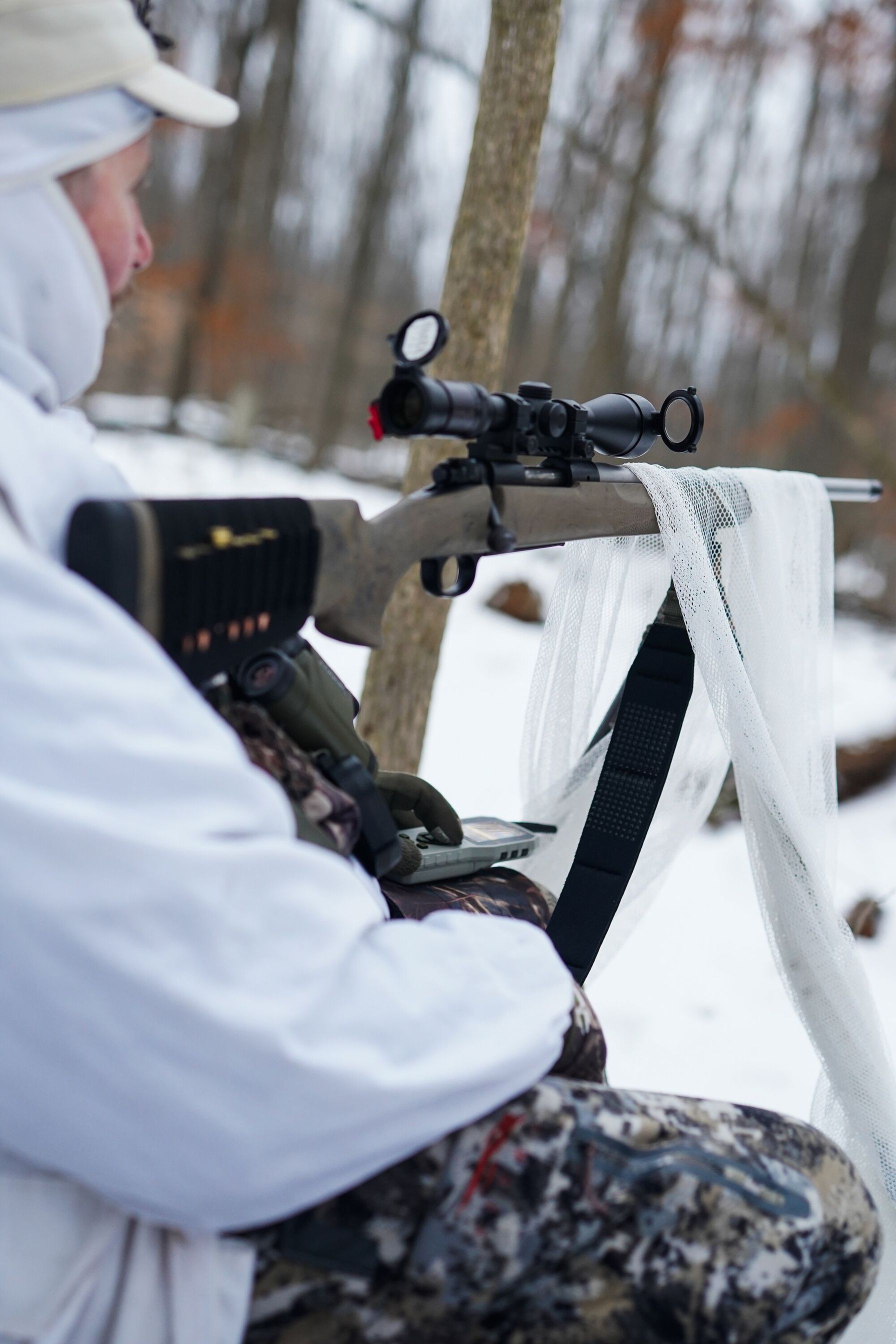
You'll also need good optics, white camouflage, the right calls or decoys, and layers to keep you warm and dry while you wait.
Bonus Tip #2: Use the Right Tactics
Use a hunting blind to stay concealed, and make good use of scent control strategies so you don't get winded.
Then, be ready. Coyotes tend to appear quickly out of cover, so be prepared to also shoot quickly when they come into view and range. Shooting downwind will be your best shot, since coyotes typically approach into the wind.
Bonus Tip #3: Call Strategically
Using calls and decoys is a bit different for coyote hunts compared to a turkey or deer hunt.
When using coyote hunting calls, start soft with locator calls. Then, move on to yips and howls.
Distress calls are also an effective way to lure in coyotes. These calls mimic coyote prey (like rabbits or rodents) to attract hungry coyotes looking for their next meal. Combine these calls with flapping decoys that also mimic prey movement.
In January and February, mix in some additional vocals, like howls, whimpers, and challenge calls. Just be sure not to over-call. Your goal (as with deer and turkey calling) is to sound realistic. Listen as you call, and don't overdo it.
Target the Best Time of Day and Location
As when hunting almost any wild game, the time of day and where you set up can make or break your hunt. Timing always matters!
In general, the best time to hunt coyotes in winter is early mornings, and late afternoons. This is especially true after cold fronts. Hunting at night is also a prime time to go after coyotes, as long as it's legal in your area.
You can also target the "thick stuff" we mentioned earlier, along with areas with limited food sources or where coyotes are known to seek mates. For optimal timing and behavior insights, use HuntWise and the HuntCast feature, which provides real-time animal movement and weather forecasts.

Hunting Coyote in the Winter is Easier With HuntWise
Predator hunting is nothing short of difficult, but many hunters love the challenge during the off-season. Coyotes are smart, and they adapt very easily to various environments. However, with patience, persistence, and these three crucial tips, we are sure that you will see success and harvest a coyote this winter.
As you plan your hunt, make it easier to get a coyote by using the HuntWise app. With HuntWise, you get weather and wind forecasts, can mark prime spots of coyote activity, mark a walking path as your guide to your setup, and check land boundaries and private landowner information to make the most of your time in the field.
Use the app for exclusive gear discounts, too! Good luck, hunters, and shoot straight.
Content most recently reviewed and updated December 17, 2025.
Frequently Asked Questions (FAQs)
We have answers to your questions about how to hunt coyotes in the winter!
Q: Is coyote hunting good in the winter?
A: Yes, coyote hunting is good in the winter. Snow makes tracks visible, food is scarce, and mating season increases movement and responsiveness to calls.
Q: How do you attract coyotes in the winter?
A: To attract coyotes in the winter, use distress calls (rabbit, rodent), howls during mating season, scent lures, and decoys. Always set up downwind.
Q: Why can’t you eat coyote meat?
A: You technically can eat coyote meat, but it’s uncommon due to parasites, strong flavor, and disease risk if not handled and cooked properly.
Q: What is the best time to hunt coyotes?
A: Early morning and late afternoon are the best times to hunt coyotes, with winter daylight hours often producing the most action.
Q: What should you not do when coyote hunting?
A: When coyote hunting, don’t ignore wind direction, move too much, skyline yourself, or contaminate the area with human scent.
Q: What smells attract coyotes?
A: The smells that attract coyotes include carrion, gland-based lures, urine scents, and food-based smells like fish or meat scraps can draw them in.


