

Season dates take place in the spring and the fall, with the spring season dates taking place over two sessions in May. Fall turkey open season dates depend on the WMU.
To get it on the action and claim one of the many birds available this season, you'll need to know the exact season dates, bag limits, and some effective strategies for bringing home a gobbler. So, keep reading as the HuntWise experts share our insights into PA season and bag limits for wild turkeys.
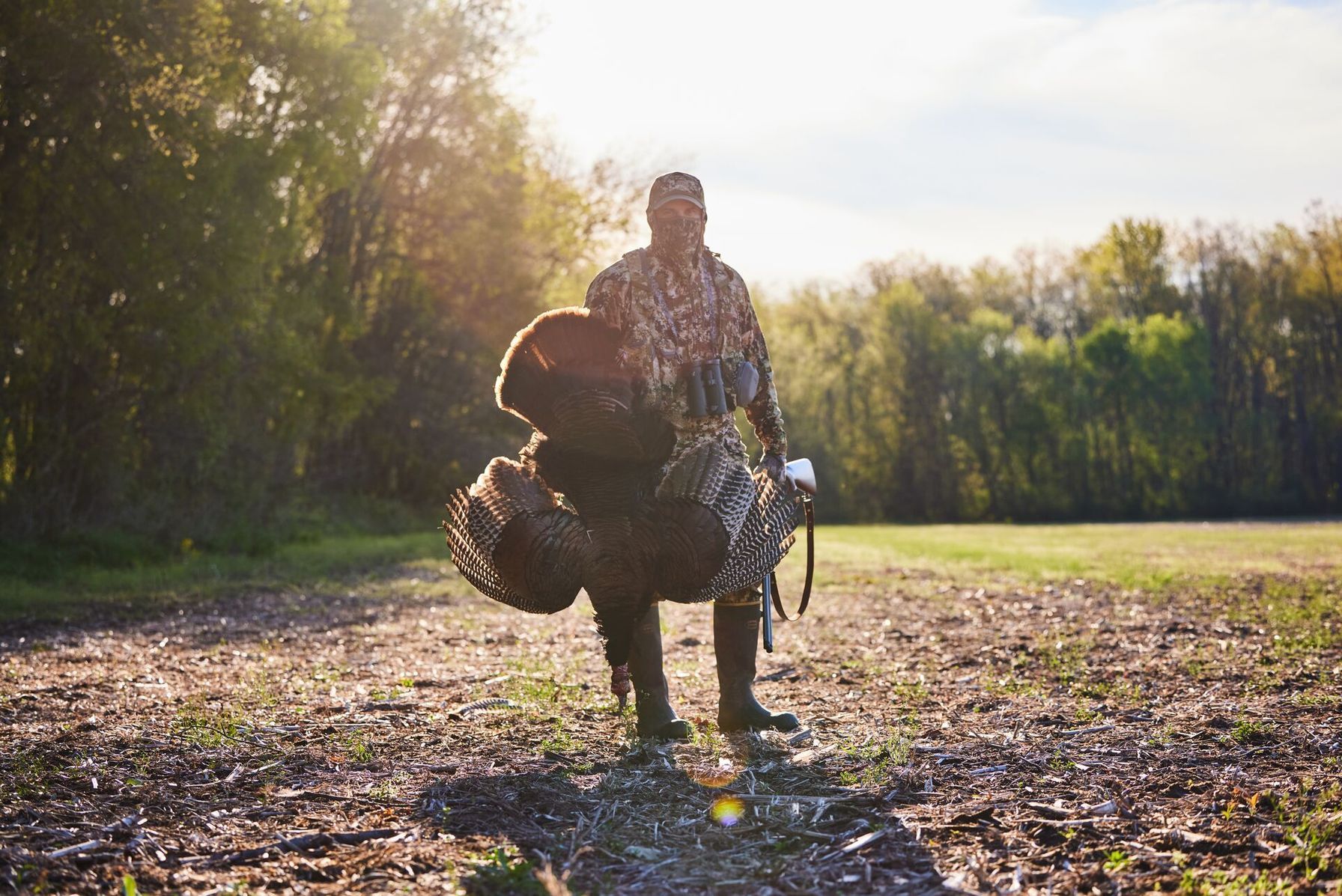
When Can You Hunt Pennsylvania Turkey in the Fall of 2026?
Fall turkey hunting dates are managed by WMUs (Wildlife Management Units). You'll want to pay close attention to the open locations that apply to each of the season date ranges below.
Fall dates begin October 31 and run through November.
PA Turkey Season Fall 2026 | |
|---|---|
| WMUs 1A, 2G, 3A, 4A, 4B, and 4D | October 31 – November 15, 2026 |
| WMUs 1B, 3D, 4C, and 4E | October 31 – November 8, 2026 |
| WMUs 2A, 2F, 3B, and 3C | October 31 – November 15, 2026, and November 25 – 27, 2026 |
| WMUs 2B, 2C, 2D, and 2E | October 31 – November 20, 2026, and November 25 – 27, 2026 |
| WMUs 5A and 5B | October 31 – November 3, 2026 |
| WMUs 5C and 5D | Closed to fall turkey hunting |
The Spring 2027 PA Seasons for Turkey Hunting
The spring season for turkey hunts typically runs in May.
For 2027, you can hunt for bearded birds (only) from May 1 through May 31, 2027. The youth turkey hunt is April 14 – 25, 2027.
Hunting Hours
Pay close attention to hunting hours and don't stray from them — or you risk losing a bird you've harvested illegally.
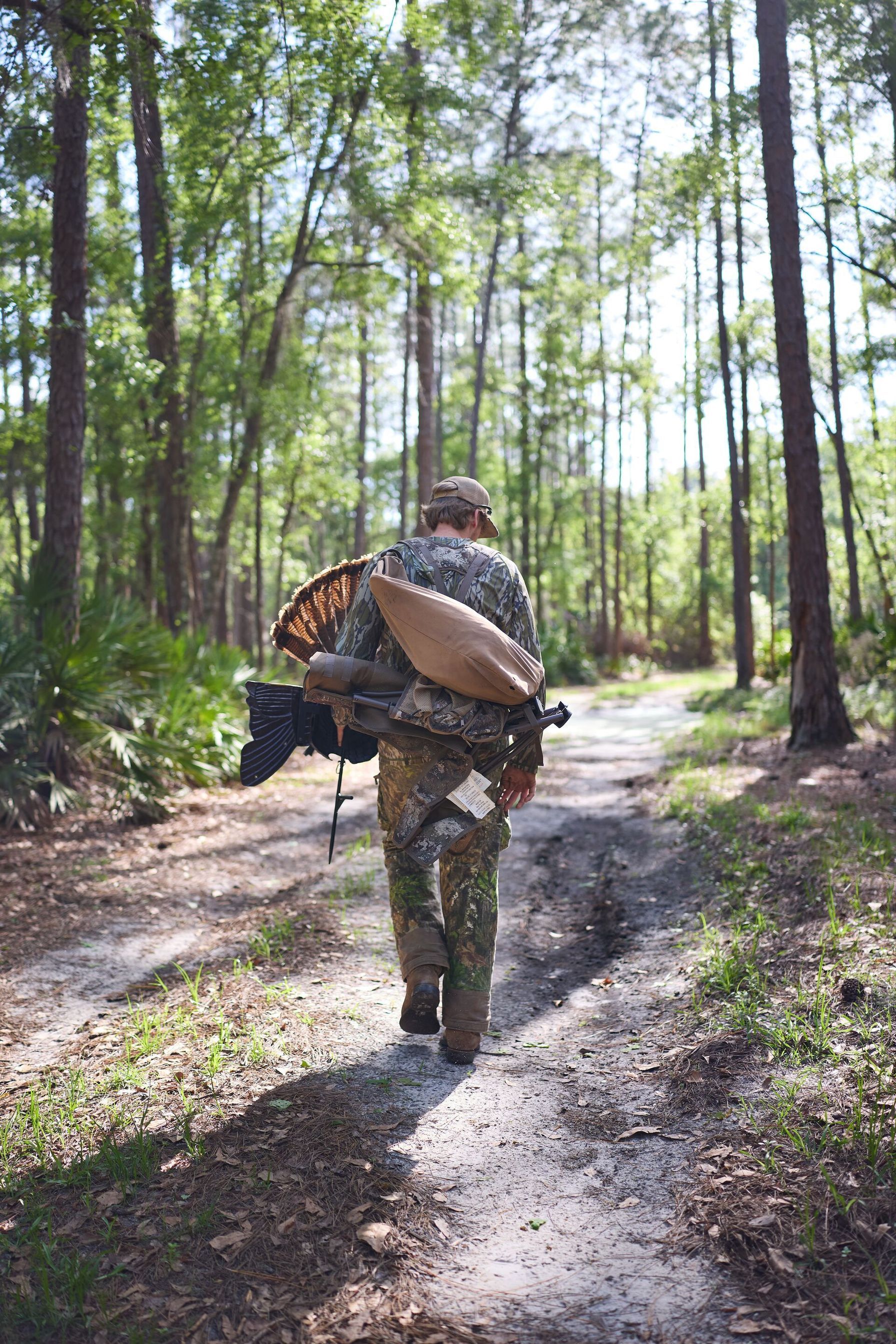
During the first part of the season, you can legally shoot turkeys from one-half hour before sunrise until noon for the first part of the season. For the second part, shooting hours run through one-half hour before sunset during the later part.
Hunting Hours for the fall are from one-half hour before sunrise to one-half hour after sunset. The bag limit is one turkey of either sex for the season. However, additional regulations may apply to specific WMUs.
What Should Hunters Know About Turkey Hunting Licensing and Permits?
Pennsylvania requires all hunters to have a license. Choose from resident vs. non-resident licenses based on your state residency status. Prices range based on adult, youth, senior, military, lifetime, and combo license options.
Additionally, you'll need an add-on license for the Spring turkey season.
To make sure you end up with all of the licenses and permits you'll need for a legal hunt, refer to the Pennsylvania Game Commission website. You can also purchase your licenses or permits through that site or in person at authorized locations.
What Can You Hunt With?
Pennsylvania requests that hunters use either shotguns or archery gear when hunting turkeys. No single-projectile firearms are allowed.
So, leave your rifle and muzzleloader at home.
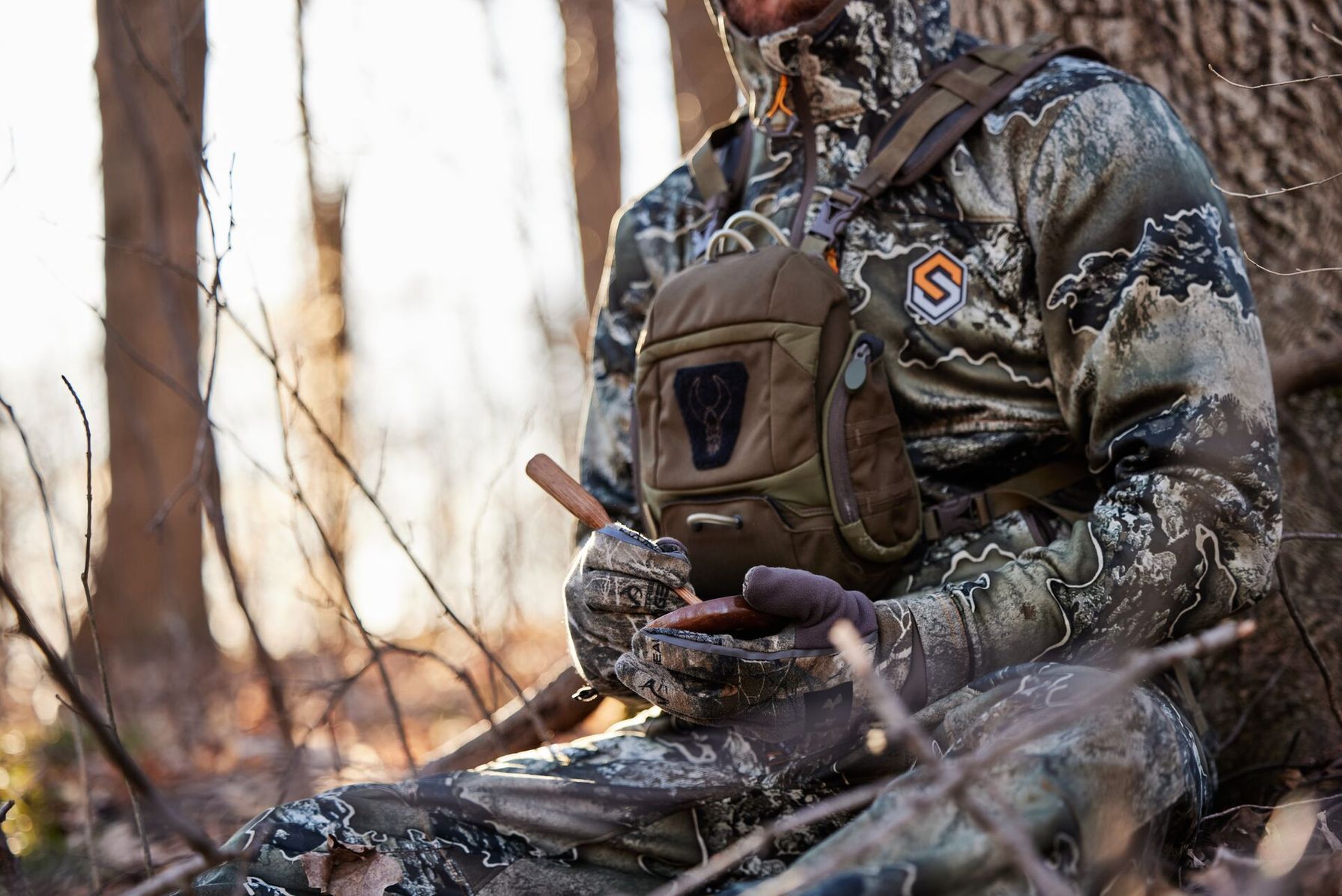
How to Plan Your Pennsylvania Turkey Hunt
Pennsylvania offers fall and spring turkey seasons, and the rules change by WMU, weapon, and time of year. A little planning keeps you legal and puts you in the right place when a bird answers your call.
Use this checklist to get ready.
- Pick your season and your WMU. Whether you plan to hunt the fall or spring season (or both), look up your WMU before you plan a trip.
- Buy your license and confirm your tags. A Pennsylvania general hunting license comes with one fall turkey tag and one spring turkey tag. In fall, you can take one turkey of either sex per license year. Spring is limited to one bearded bird per day.
- Choose legal gear. Fall hunters can use shotguns or archery equipment, but single-projectile firearms are not allowed. Electronic callers, live turkey decoys, and turkey drives are also illegal in both seasons. Blinds that look like a fanned turkey tail are banned because they put hunters at risk.
- E-scout in HuntWise. Open the HuntWise map layers to compare public land, such as State Game Lands, with private parcels. Look for hardwood ridges, fields, and water, then drop markers on your best roost and travel areas. Scouting digitally first saves you hours on the ground.
- Confirm what you find on foot. Walk your marked spots and look for tracks, scratchings, droppings, and feathers. Note where you can sit against a wide tree with a clear view, since stalking turkeys or turkey sounds is unlawful in Pennsylvania.
- Check conditions before every hunt. Use HuntWise HuntCast weather and animal movement forecasts to choose your days and your start time. Wind and rain change how turkeys move, so plan your setup around the forecast.
- Hunt safely and finish the paperwork. Sit still, call birds in, and wear fluorescent orange while you move, even though it is not required for turkey. Sundays are open in the 2026 fall season within each WMU’s dates. After a harvest, tag the bird immediately before you move it, and report it to the Game Commission within 10 days.
Pennsylvania turkey hunting rewards hunters who sort out the details before they enter the woods. Pick your WMU, gear up legally, and scout your ground, and you can spend your time on the hunt instead of the rulebook.
Strategies for a Successful Turkey Hunt
With your dates planned and license in hand, you're ready to hunt! Apply the following tips to improve your chances of harvesting a gobbler this season.
Scout (Digitally and In-Person)
Nothing really beats getting out and walking a hunting area to get a feel for the terrain and possible locations to post a blind. Walking the land also gives you the opportunity to spot turkey signs, like scat and bedding areas.
However, before you head out to wander through every potential public hunting location, narrow down your search with some digital e-scouting.
Use HuntWise maps and layers to look for potential bedding areas and turkey corridors on public or private land you have your eye on for a hunt this season. Topographical views and the app's 3-D mapping capabilities help you mark locations to investigate in person while helping you scratch places off your list that don't look promising or are worth your time.
You can save time and a lot of effort (and increase your odds of shooting a tom) by using the HuntWise hunting app to scout before you ever set foot in a prime turkey area.
Practice Your Calls
It may feel silly, but before you head out into the field, sit out in the yard (or on the couch) and practice your turkey calls.
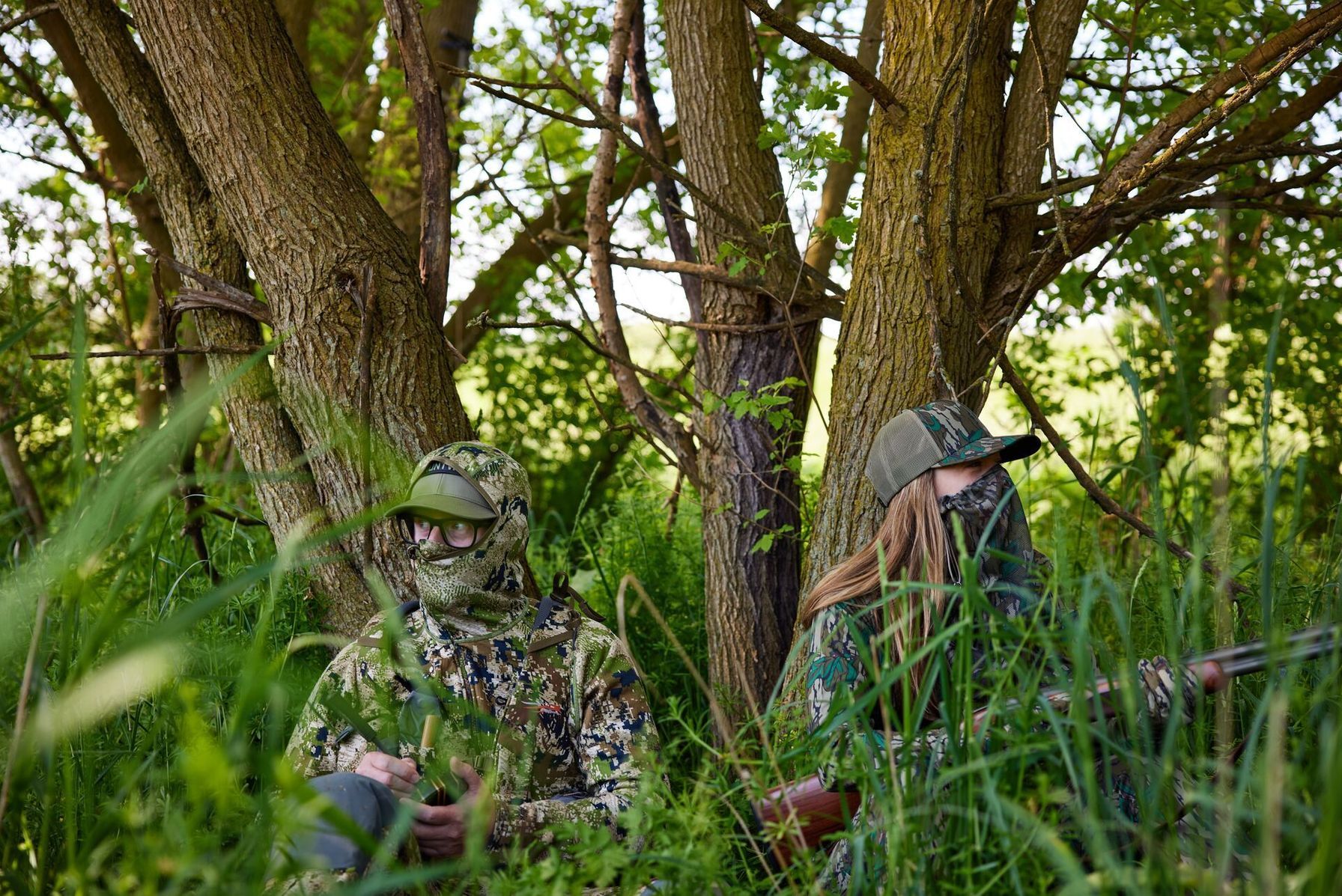
The risk of embarrassing yourself in front of friends or family will be worth it when you call in a gobbler you end up bringing home later. Calling can be tricky, and the best hunters dust off their calls and give them all a whirl before using them for real in the field.
One of the most important aspects of using calls is to sound like the "real deal." If you're rusty and don't sound like a turkey, turkeys will recognize this and won't respond the way you want them to.
Blend In
Turkeys have excellent eyesight. Even if you think you're hidden pretty well, unless you blend in almost perfectly, a turkey can spot you with even the slightest movement from your hiding spot.
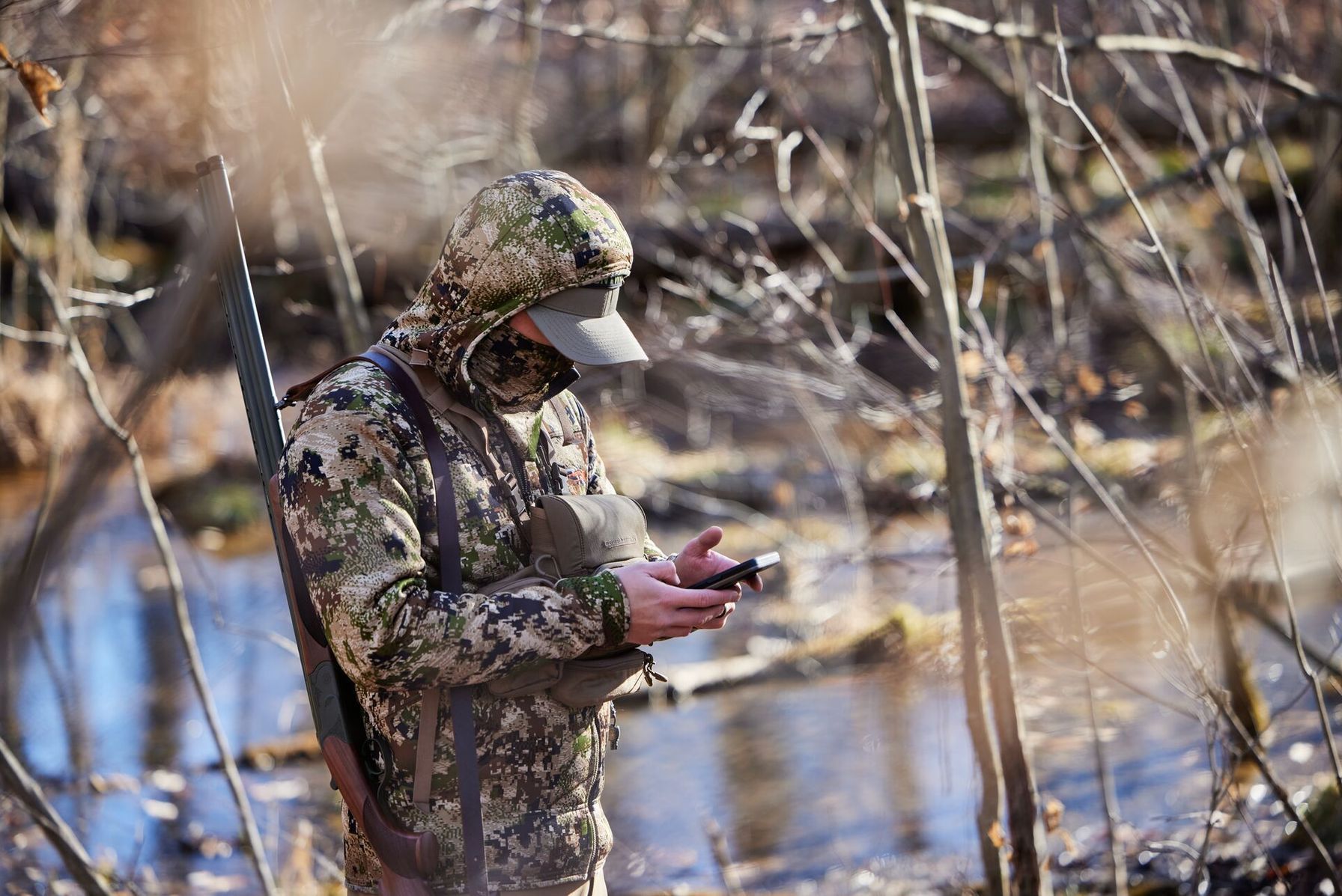
If you're not using a blind, the camo you wear becomes even more critical. Make sure your turkey camo matches the Pennsylvania terrain, trees, and brush for your best shot at concealment — and remember that everything looks different in the spring compared to the fall. You may need to switch up your clothing depending on the time of year for your hunt.
Use HuntWise for a Successful Turkey Season in PA
We hope these insights into hunting turkeys in Pennsylvania get you excited for (and help you plan) a successful season this year! Whether you hunt in the spring or fall (or both), we want to help you bring home the birds you're after.
Using HuntWise is one of the best ways to improve your success in the field. HuntWise delivers a hunting app with hundreds of map layers, markers, and sharing capabilities so you can mark hunt areas, learn about locations, and then share that information with your hunting buddies to help everyone bring home a gobbler. Plus, HuntCast weather and animal movement forecasting is a game-changer and should be part of your gear set for turkey hunts and anything else you hunt this year!
If you haven't downloaded HuntWise yet, get it now and get ready for turkey season. Explore Pro and Elite features free during your first week in the app!
Content and season dates most recently reviewed and updated October 27, 2026.
Frequently Asked Questions (FAQs)
We have answers to your questions about the PA seasons and bag limits for turkey hunting!
Q: What are the dates for turkey season in PA?
A: Pennsylvania has a fall season and a spring gobbler season. The 2026 fall season opens October 31 and varies by Wildlife Management Unit (WMU), ending between November 3 and November 20, with an added November 25 to 27 segment in some units. WMUs 5C and 5D are closed to fall turkey hunting. The 2027 spring gobbler season runs May 1 to 31, with a youth hunt on April 24 to 25, 2027.
Q: Is orange required for turkey hunting in PA?
A: No. Pennsylvania does not require fluorescent orange for fall or spring turkey hunting, but the Game Commission strongly recommends wearing it, especially while moving. If you hunt other species at the same time, such as small game or groundhogs, those seasons’ orange rules still apply.
Q: Are you allowed to stalk turkeys in PA?
A: No. It is unlawful to stalk turkeys or turkey sounds in Pennsylvania, so stay put and call birds to you. Blinds that mimic a fanned turkey tail are also illegal.
Q: What county in PA is best for turkey hunting?
A: No single county stands out, because the Game Commission tracks harvest by WMU instead of county. Older harvest data shows the southwestern WMUs, including 2A, 2C, and 2D, with some of the highest spring gobbler harvest densities per square mile. Check the Game Commission’s current harvest maps before you pick a spot.
Q: Can you shoot two turkeys in one day in PA?
A: No. In spring, you can take only one bearded turkey per day. In 2026, a second spring gobbler license allowed a season limit of two, but the Game Commission approved a spring season limit of one for 2027. In fall, the limit is one turkey of either sex per license year.
Q: Can you hunt turkey on Sundays in PA?
A: Yes, in most cases. The Game Commission opened Sundays in all 2026-27 seasons except migratory game birds, so fall turkey season includes Sundays that fall within each WMU’s dates. Spring season had no Sundays in 2026, but Sundays are open in spring 2027.
Q: Do you have to report a turkey harvest in PA?
A: Yes. Tag your turkey immediately before moving it from the harvest site. Then report the harvest to the Game Commission within 10 days. You can report online, by phone, or by mailing the postcard in the Hunting and Trapping Digest. Write down your confirmation number.


