

Alaska is the destination for Sitka deer (to mix things up if you're typically a whitetail hunter), brown (or grizzly) bears, mountain goats, moose, and even wolves and wolverines.
Ready to plan a big trip for a big hunt? We’ve got the information you need! We’ve compiled a guide to the Alaska hunting seasons for 2024-2025. This guide will also help you find and mark the best spots to hunt before you even arrive up north.
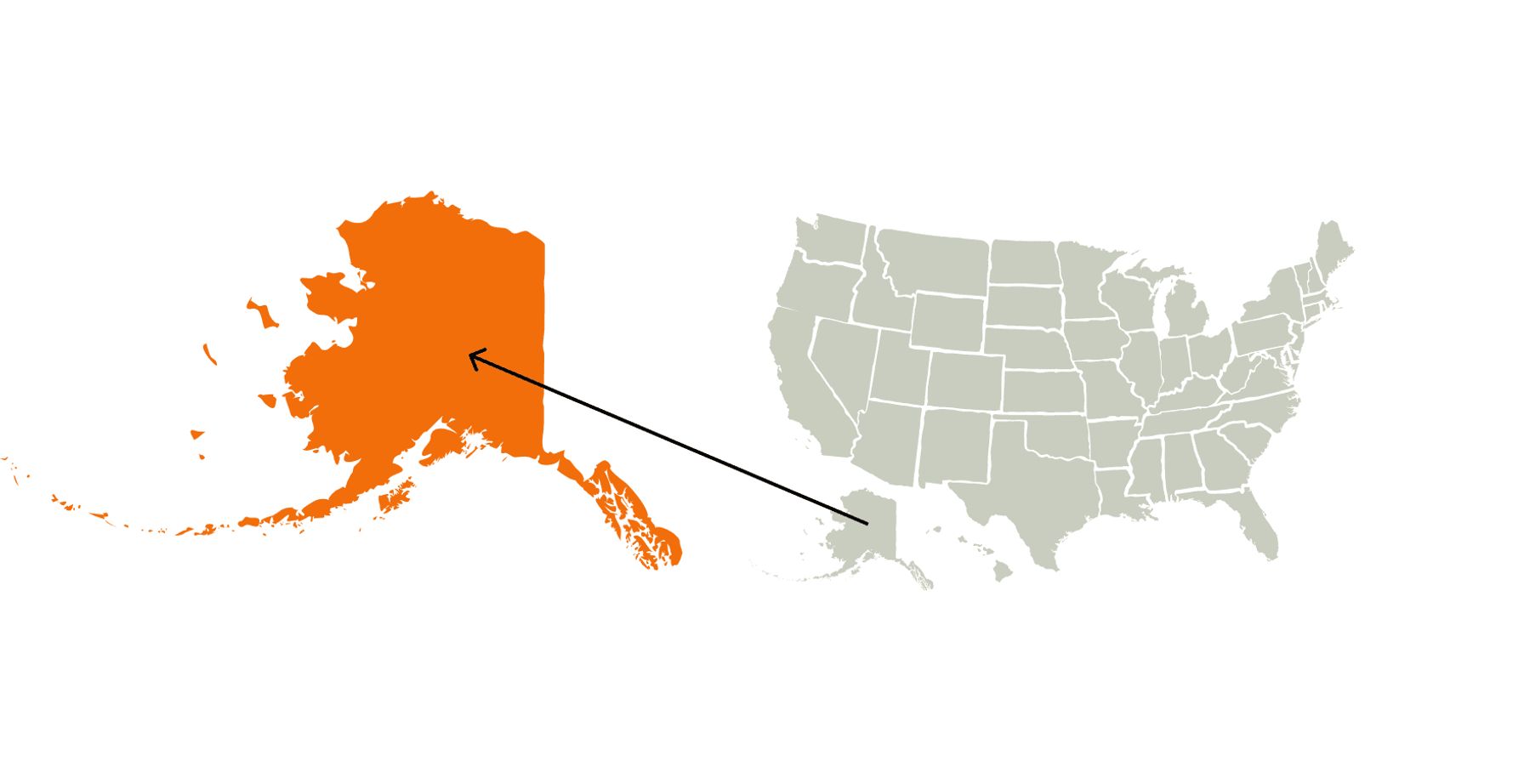
When Can I Hunt? Season Dates 2026-2027
Here's the info you need for Alaska hunting seasons this year. Season dates and Alaska hunting regulations are set up based on hunting Units. So, pay close attention to what you want to hunt and where it is within the state to determine when you can hunt.
The information below is the latest Alaska season and hunting regulations. As new information becomes available, we'll update it here accordingly. We also always recommend checking the latest season dates and details with the Alaska Department of Fish and Game (ADFG).
Alaska Hunting Season Dates 2026-2027 | |
|---|---|
Deer Hunting Season in AlaskaYou can now hunt mule, whitetail, and Sitka black-tailed deer in Alaska. Check the latest regulations (i.e., bag limits for does vs. bucks, bow vs. firearms, etc.) for each species in the units (and the smaller area designations within each unit) you plan to hunt.
| Mountain Goats
|
Black Bear
Check with the ADFG for details about hunting and harvesting black bears for each unit. | Brown Bear (Grizzlies)For all Units, check with the ADFG for specifics about the number of bears you can harvest and other details, including season dates based on permit numbers. The limit is usually one bear every four regulatory years with a permit.
|
Moose
If you've never hunting moose in Alaska, brush up on the differences between Alaskan vs. Eastern moose hunts! | Wolf
|
Wolverine
| Elk Hunting Alaska
|
Caribou
| Muskox
|
Bison
| Small Game
|
Fur AnimalsCoyote:
Arctic Fox:
Lynx:
Squirrels: No closed season | |
For additional details about the animals noted here (and others not noted), check the latest trapping and hunting regulations from the ADFG.
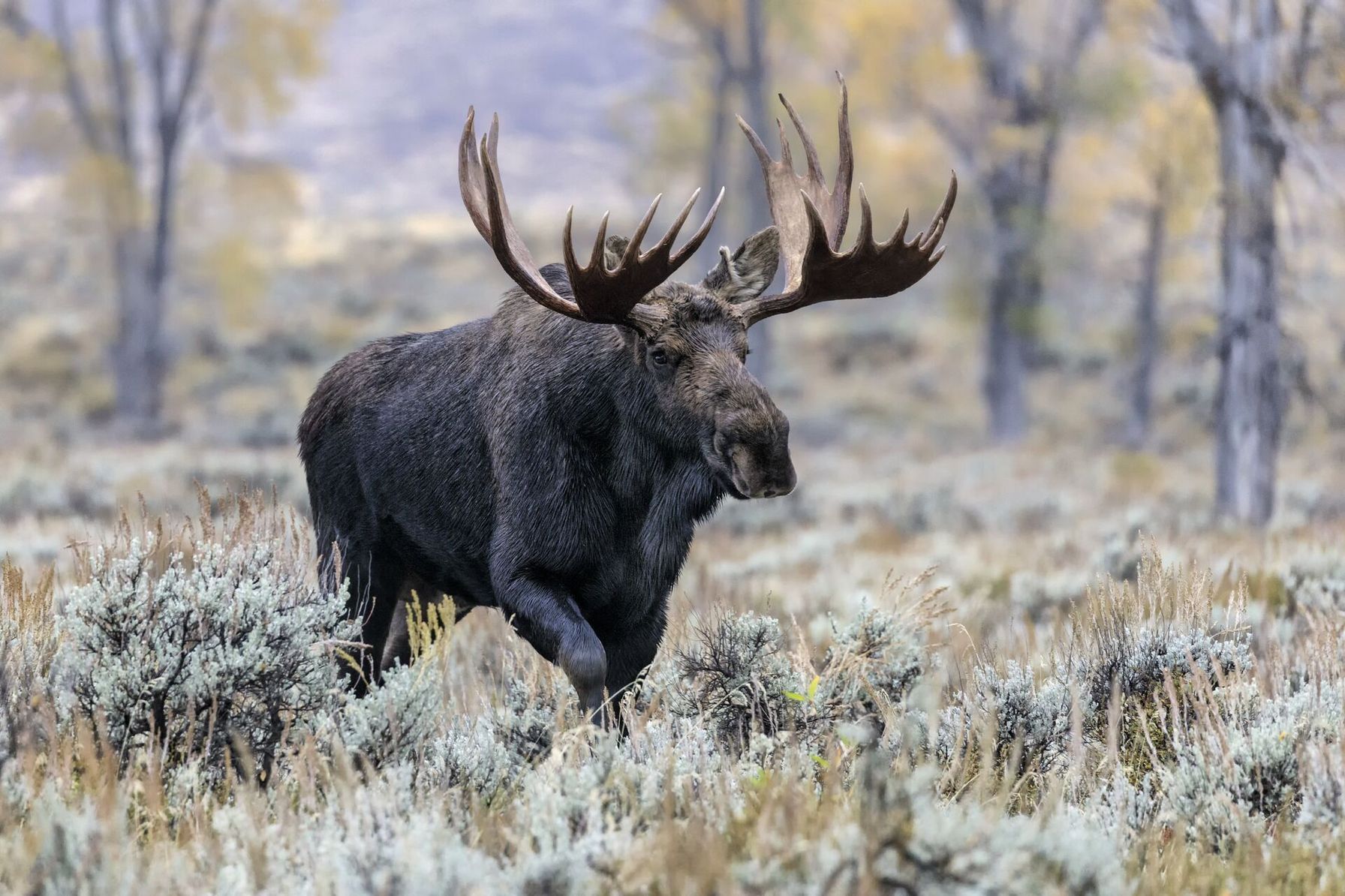
What Are the Bag Limits During Hunting Season Alaska?
How many wolves or caribou can you bring home this season? To comply with hunting regulations in Alaska, make sure you know the bag limits for everything you plan to hunt.
In most cases, bag limits apply to a regulatory year (July 1 – June 30).
Alaska Hunting Season Bag Limits | |||
|---|---|---|---|
| Deer | Limits range from 1-4 bucks in some Units or up to 6 total deer in some areas. Check the specifics for each Unit before your hunt. | Muskox | One bull or cow in most Units. Check the specifics for each Unit. |
| Elk | 1 bull or cow on a permit-by-permit basis. Check the specifics for each Unit before your hunt. | Grouse | 5-15 per day, depending on the Unit. |
| Coyote | 2 coyotes in Units 1-5, 18, and 22. No limit in Units 6-7, 9-17, 19-21, and 23-26. | Hare | Ranging from 2-5 per day or no limit, depending on the Unit. |
| Black Bear | 3 bears in some Units. Check the specifics for each Unit before your hunt. | Ptarmigan | Ranging between 5-20 per day. |
| Brown Bear | 1 or 2 bears every regulatory year depending on the Unit. | Arctic Fox | 2 foxes or no limit, depending on the hunting Unit |
| Caribou | 1-2 bulls or caribou, depending on the Unit. | Lynx | 2 lynx in all open Units |
| Mountain Goat | 1 goat in most Units based on permits. Check the specifics for each Unit before your hunt. | Squirrels | No limit |
| Sheep | 1 ram or 1 ram every four regulatory years, depending on the Unit. | Hare | 5 per day (Units 1–5, 14C, 14A) 2 per day (Units 18, 22, 23 Alaskan Hare), No limit (other open Units) |
| Moose | Bag limits vary. Check the specifics for each Unit before your hunt. | Wolf | Up to 10 wolves in some Units. Check the specifics for each Unit before your hunt. |
| Wolverine | One wolverine in most Units. | ||
For more details on bag limits, visit the ADFG website.
What Do I Need to Know About Hunting Licenses and Regulations?
Everyone who hunts in Alaska needs a current hunting license. If you plan to hunt big game, you'll also need the appropriate locking tag and a harvest ticket. Make sure you understand the terminology and how each of these items work together to prepare you for a legal hunt.
Fees for locking tags range from a few hundred dollars to $3,000 for a muskox tag.
You'll also want to review changes in regulations from prior years. From changes in bag limits to adjustments to hunt areas and the lengths of some seasons, some changes can impact how, when, and where you hunt this year.
Alaska also offers a unique hunting opportunity for elderly or disabled hunters who can't get into the field. If you meet the requirements, you can choose another eligible hunter to hunt on your behalf.
What About Draw Hunts?
Draw results are typically announced in late February for upcoming season hunts for some species in designated areas. You'll need a license and tag to be eligible for draws.
However, not all hunts require a draw tag, so if you missed the deadline for 2026-2027, there are still plenty of game animals and areas to hunt in Alaska that don't require you to win a draw.
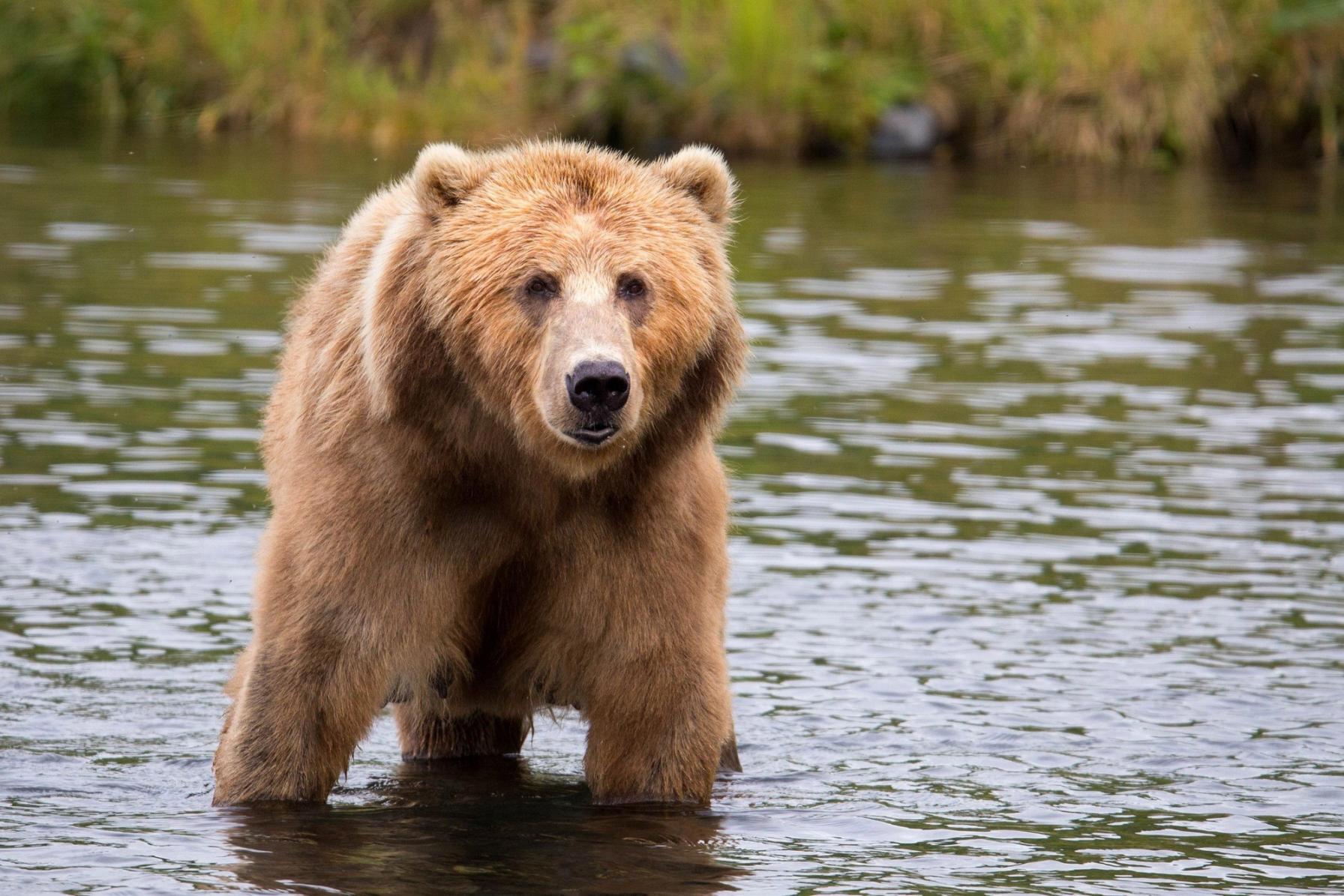
Why Do Hunters Hunt in Alaska?
There's no need to travel to Alaska for a squirrel hunt. You can probably find plenty of squirrels and rabbits in your backyard. However, if you're up for trapping lynx or arctic fox, Alaska is a great place for it.
Instead, go to Alaska for the big game hunting experience that draws hunters to this state. You'll want to target species like the grizzly bear, goats, and even muskox to bring home a trophy and plenty of stories to tell friends and family.
Hunters also hunt Alaska because of the challenging terrain. If you're looking for one of the most challenging experiences in high altitudes, try elk hunting Alaska style!
Where Should I Hunt?
Alaska is known for many mountain ranges, unbelievable summits, and wild, rugged terrain. Half of the challenge of a hunt in this state is making sure you're conditioned and prepared for tough hikes, high altitudes, and extreme temperatures.
Your hunt can take you from coastal communities to tundra and anything in between. So, be sure to plan your gear wisely and talk to local guides before packing your bags. Your late-season deer hunting clothes and gear could come in handy.
As you plan your trip, HuntWise can help you target (and mark) the best hunting areas so you can think ahead to what you'll need before you arrive. Use HuntWise mapping layers and animal movement predictors to e-scout the terrain and the best times to get geared up and out in the wilderness for your hunt.
What Else Do I Need Before I Can Hunt?
All hunters in Alaska must pass a Basic Hunter Education course before hunting in some specific areas within the state. If you are under the age of 18, you can hunt without a safety certification if you are accompanied by a licensed hunter who is older than 18 and has completed a course.
You'll also need the right gear! From clothing (including layers) to optics and odor control, HuntWise users can save hundreds on gear from our app partners. Make sure you have everything you need in the field to tag out, including a good pair of binoculars, a hunting knife, and a spotting scope for glassing big game.
Do I Need a Guide?
Alaska requires the use of guides for some hunts. Make sure you follow those rules and book a guide if it is required.
Otherwise, a good guide can be invaluable when hunting in Alaska, even if it's not required — but it's up to you!
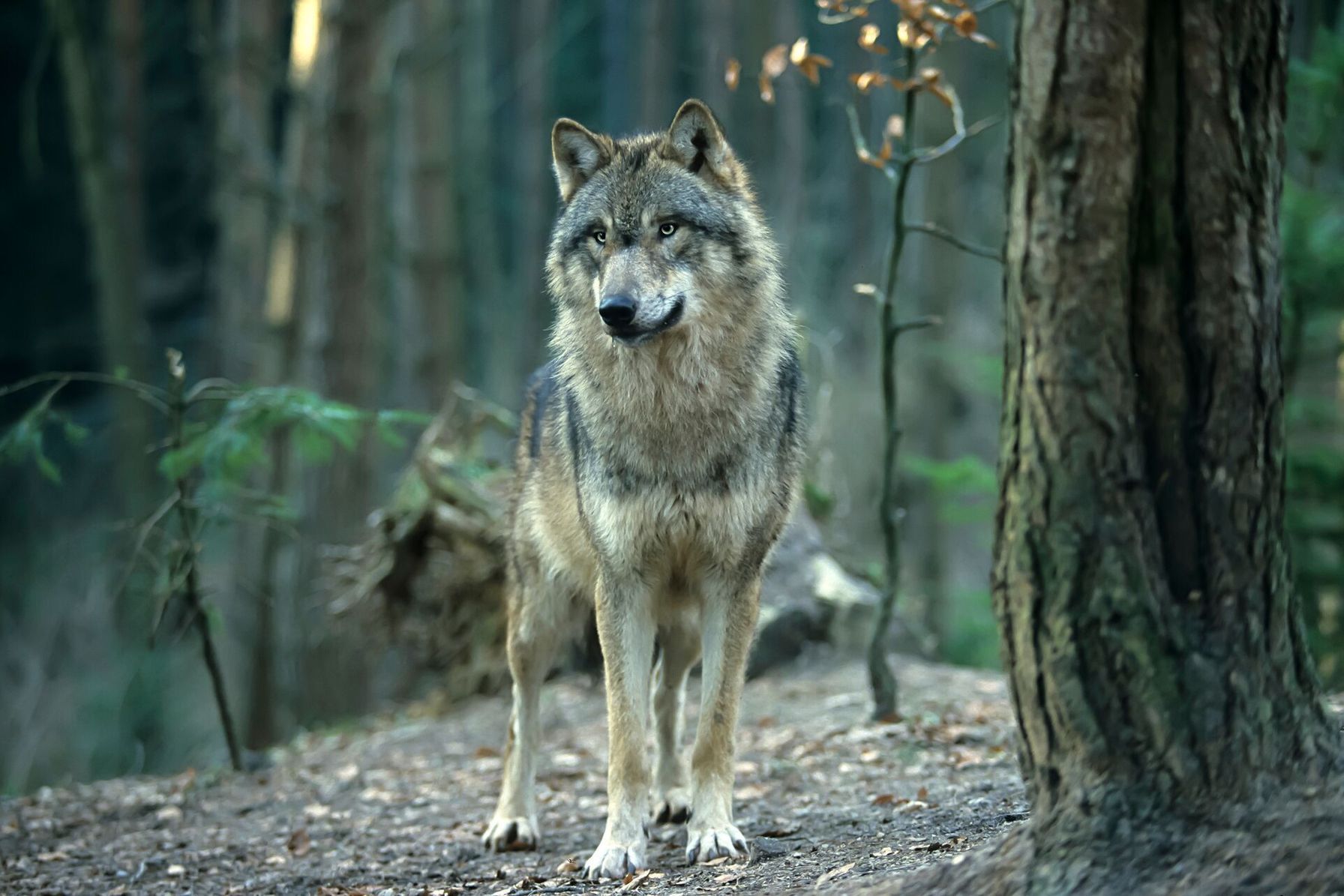
HuntWise Helps You Bring Home Big Game During Alaska Hunting Seasons
We hope this information helps you plan a hunt-of-a-lifetime in Alaska! There are a lot of details that go into planning a big hunt like this, so we hope the information in this guide helps you have a successful hunt.
Before you head out, make sure you've downloaded the HuntWise app. You'll be ahead of other hunters when you can e-scout in Alaska using HuntWise real-time weather and animal movement forecasting.
You'll also be able to plan your hunt more strategically before heading out to your hunt area to gain an advantage over other hunters this year and increase your chances of tagging out. Using our Hunt Area & Custom Markers feature, you can select (or draw) and label your hunt areas on a map. Place hundreds of unique markers to identify animal activity, landmarks, infrastructures, and more.
HuntWise is the best tool for e-scouting public or private hunting land! It's the ideal hunting app for all hunters, whether you're a casual, beginner, or seasoned hunter.
Download the app and , so you're ready to hunt when the season opens!
Content most recently reviewed and updated for the latest season dates and details October 6, 2026.
Frequently Asked Questions (FAQs)
We have answers to some of the top questions about hunting in Alaska!
Q: How much does a hunt in Alaska cost?
A: In Alaska, guided hunts typically range from about $5,000 to $25,000+, depending on the species (e.g., moose vs. brown bear), location, and outfitter. DIY hunts can be cheaper but still often cost $2,000–$8,000 when factoring in travel, gear, and logistics.
Q: How much does a grizzly bear tag cost in Alaska?
A: For non-residents hunting in Alaska, a brown/grizzly bear tag usually costs around $1,000–$1,300, plus a hunting license (~$160). Prices can change slightly year to year.
Q: What kind of hunting can you do in Alaska?
A: Alaska offers hunting for moose, caribou, black bear, brown/grizzly bear, Dall sheep, mountain goat, elk (limited areas), deer, wolves, and small game like ptarmigan and hare.
Q: Can a non-resident hunt bears in Alaska?
A: Yes, non-residents can hunt bears in Alaska. But for brown/grizzly bears, non-residents must hunt with a registered guide or a resident relative within second-degree kindred. Black bear hunting does not require a guide in most areas.
Q: What is the easiest animal to hunt in Alaska?
A: Generally, black bear or Sitka black-tailed deer are considered more accessible for beginners hunting in Alaska. Caribou can also be relatively approachable in certain regions due to herd movement patterns.


