

Texas is home to world-class dove hunting, drawing in 400,000 hunters yearly and providing an influx of investment for rural landowners, locals, and the Texas Parks and Wildlife Department. The environmental diversity, from agricultural fields to brushlands, provides numerous hunting opportunities for beginners and experts targeting the mourning, white-winged, and white-tipped dove.
Dove management and conservation require regulations, monitoring, and research, as these birds are migratory. This means all hunters must fully understand hunting regulations, dates, and limitations.
Are you looking forward to the dove season? Keep reading to learn about the season dates for the upcoming season and some preparation tips to help you bring home plenty of birds this season!
Updated May 18, 2026
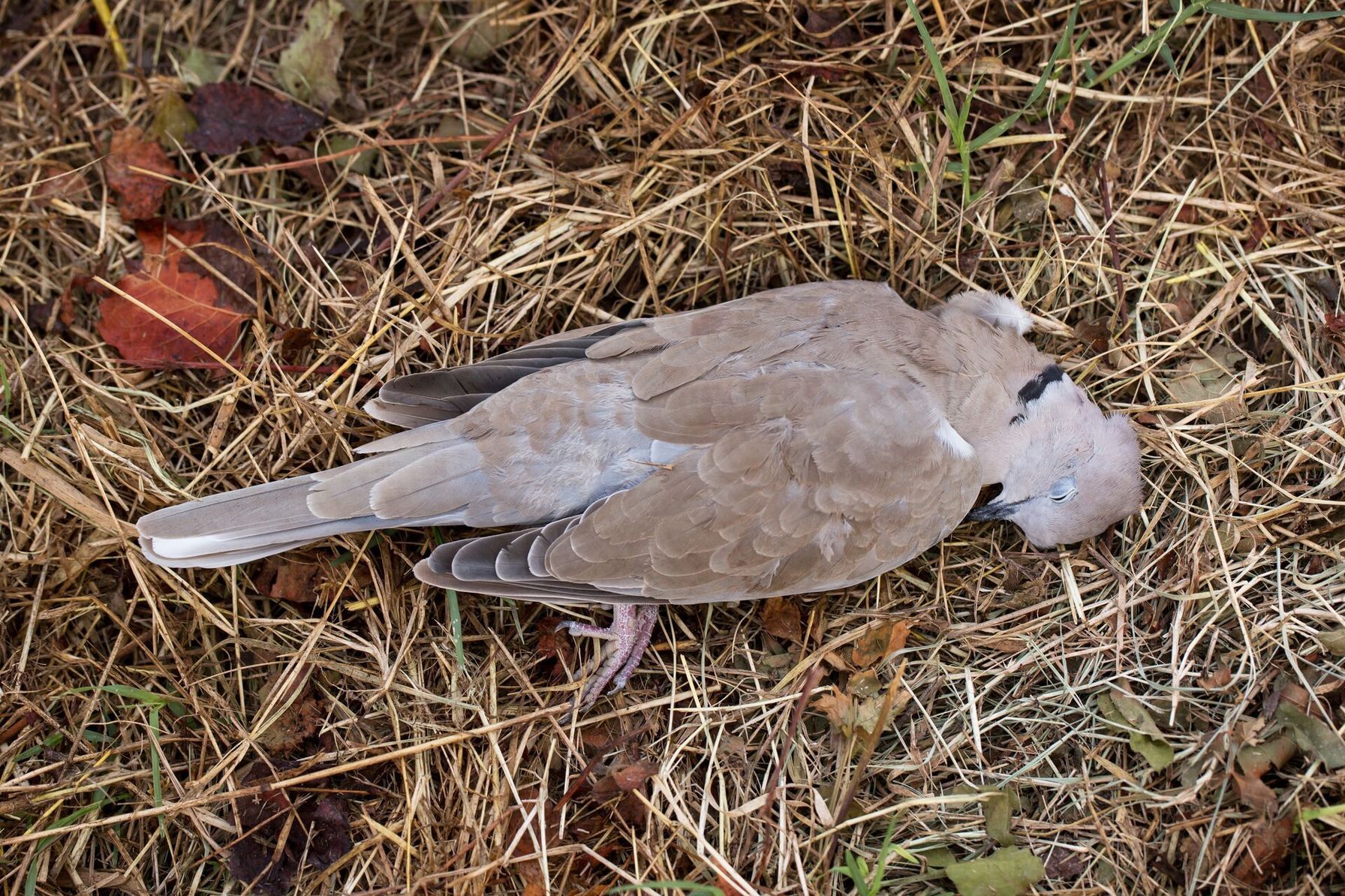
When Is Dove Season in Texas for 2026?
The dove seasons in Texas are established by the Texas Parks and Wildlife Department and based on distinct zones and dates with relevant regulations. This is to ensure a fair and equitable approach to hunting and maintain the ecological balance and ecosystem.
| Texas Dove Season 2026 by Zone: | |
|---|---|
| North Zone | September 1 – November 8, 2026, & December 19, 2026 – January 7, 2027 |
| Central Zone | September 1 – October 25, 2026, & December 11, 2026 – January 14, 2027 |
| South Zone | September 1 – October 25, 2026, & December 18, 2025 – January 21, 2027 |
Remember to confirm these dates with official state resources before heading out for your hunt.
Note: the state has eliminated the Special White-winged Dove Days for the 2026-27 season in the South Zone.
Regulations and Bag Limits
You'll need a Texas hunting license for the specified season to hunt doves in Texas. Additionally, bird hunters need a migratory bird stamp and a harvest information program certificate (HIP) and must report any banned birds to the Texas Parks and Wildlife Department.
If born on or after September 2, 1071, hunters must also have a hunter education certificate to gain a Texas hunting license.
When you're in the thick of your hunt, be sure to keep bag limits in mind.
| Texas Dove Bag and Possession Limits 2026 | |
|---|---|
| Daily bag limit | The daily bag limit in all three zones is 15 birds, with no more than two white-tipped. |
| Possession limit: | Three times the daily bag limit. |
The possession limit refers to the number of games you can hold, transport, etc., before processing. Make sure you don't confuse these two regulatory figures!
How to Prepare for a Successful Dove Hunt in Texas
A successful Texas dove season starts well before you ever pull the trigger. Follow these steps to make sure you're legal, prepared, and in the right field when opening morning arrives.
| How to Hunt Doves in Texas: |
|
Plan your hunt using the five tips above, and always know your daily bag limit before you start shooting.
Scout the Ideal Hunting Locations
When preparing for a hunt during Texas dove season, it's essential to consider where the doves may be and where they could be moving to and from flight paths. This means considering water sources, agricultural feeds with seeded crops, and nesting areas.

Think of the sky as a giant bird highway, and food, water, and shelter as the towns.
To start the scouting process:
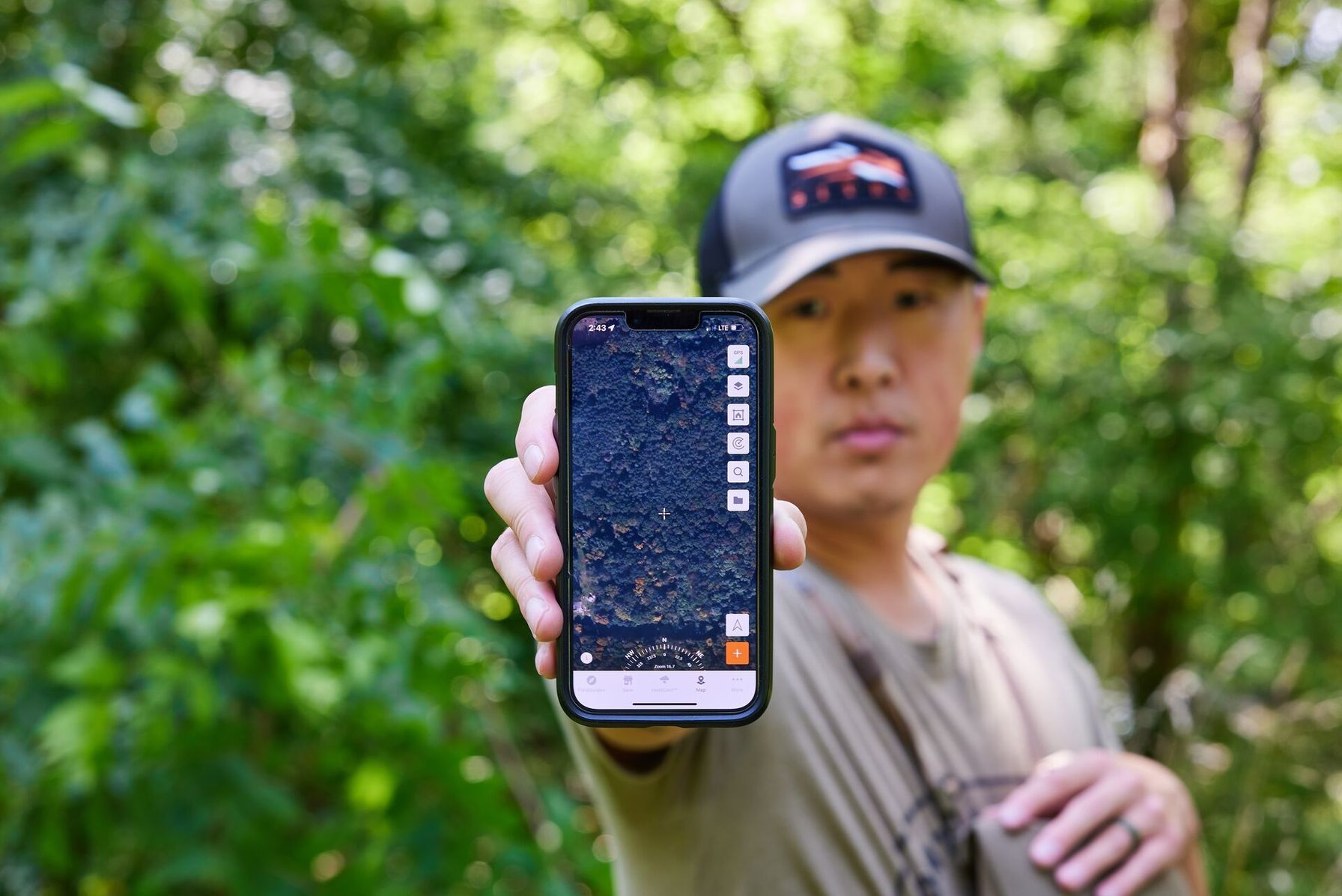
- Jump on the HuntWise app to explore the mapping features and flag potential hotspots.
- Consider the use of decoys and where they may most effectively be placed in your setup.
- Focus your hunting efforts on morning and evening hunts around water sources.
- Based on your previous mapping decisions, get out into the field and observe the birds in their natural environment.
HuntWise helps you save time in the field and enjoy a more efficient hunt! You can e-scout locations and plot your approach and setup before getting to your hunting zone, giving you an advantage over other dove hunters this season.
Work Through Your Gear Checklist
Dove hunting involves the use of specialized gear. While it's a lighter pack out than other hunting styles, it's important not to forget anything.
Some gear essentials for dove hunting include:
- Shotgun with open choke for wider patterning
- #7.5 or #8 shot (bring plenty of extra shells)
- Camouflage clothing that blends into your chosen environment
- Ear and eye protection
- Dove decoys
- A cooler
- Sunscreen, hat, repellant, snacks and water
- High-quality knife and multi-tool
- Binoculars
- First aid kit
- Navigational tools or mapping apps such as HuntWise
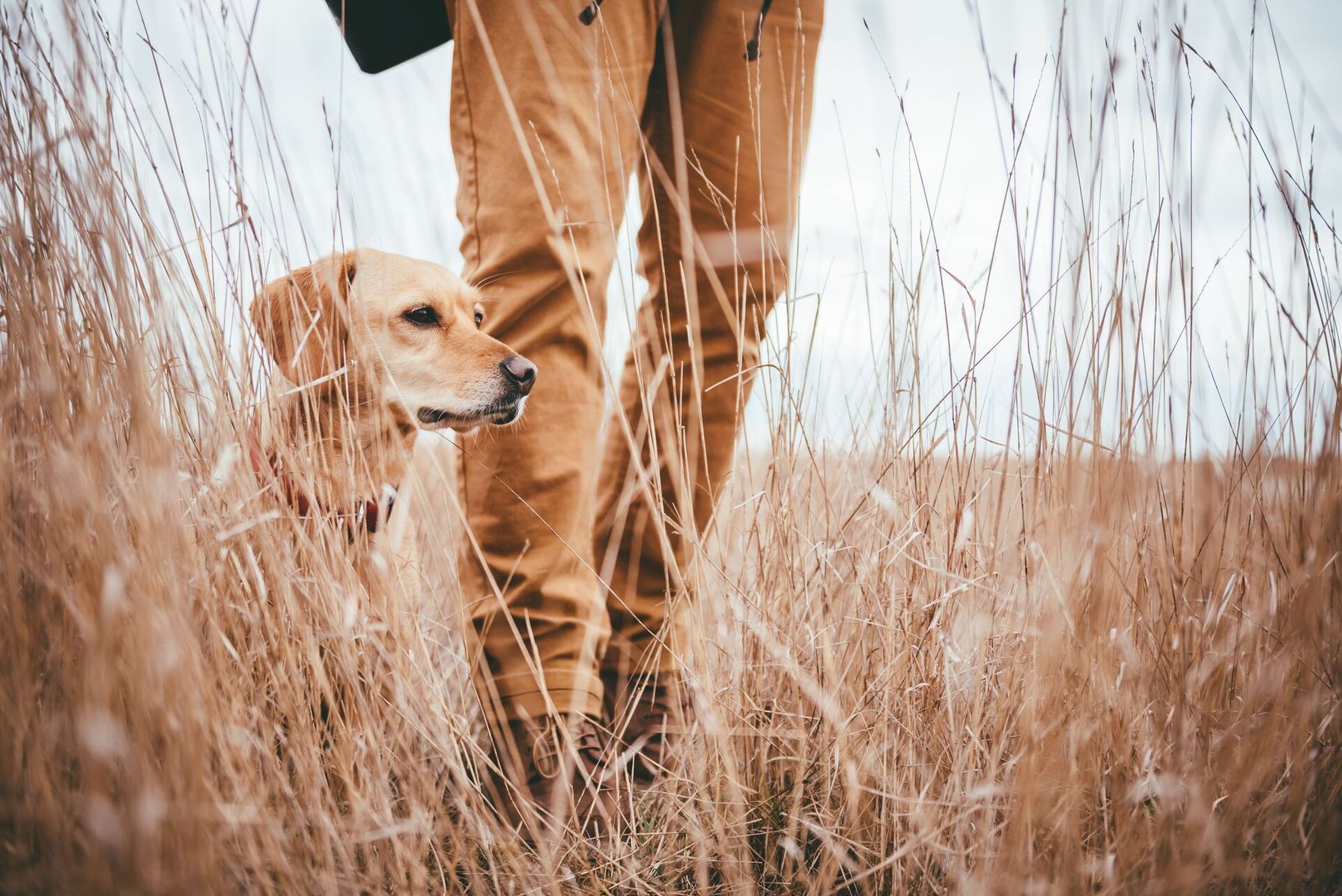
If you have a furry friend who loves to retrieve downed birds, remember to bring them along.
| As you collect your gear, if you discover you're missing an essential item (or it's time to upgrade something you've used a lot), remember to take advantage of your HuntWise subscriber discounts for gear from our partners! |
Kickstart Your Texas Dove Hunt With HuntWise
Dove hunting is not just a pursuit but a thriving community in Texas. For hunters seeking low-pressure hunting zones, this popularity means you're part of a larger group, and thinking creatively to find unique hunting areas can help you maximize your chances of bringing home plenty of birds this season.
To boost your opportunities when Texas dove hunting and bring home some birds for the freezer, start e-scouting now with multiple HuntWise features in the ultimate hunting app. Use map layers, markers, the HuntCast feature, WindCast, and more to scout your hunt area and plan your day in the field!
We'll give you your first week free to explore Pro and Elite features in the app!
Content most recently reviewed and updated for the latest season dates and details May 18, 2026.
Frequently Asked Questions about Texas Dove Season (FAQs)
Q: When does Texas dove season open in 2026?
A: Texas dove season opens September 1, 2026, in all three zones — North, Central, and South. This marks a significant change for the South Zone, which historically could not open until mid-September. The second segment varies by zone, with the South Zone's second split running from December 18, 2026, through January 21, 2027.
Q: What are the Texas dove zones and their dates?
A: Texas has three dove zones. The North Zone runs September 1 through November 8, 2026, with a second segment from December 18, 2026, through January 7, 2027. The Central Zone runs September 1 through October 25, 2026, with a second segment from December 11, 2026, through January 14, 2027. The South Zone runs September 1 through October 25, 2026, with a second segment from December 18, 2026, through January 21, 2027. Notably, the Special White-winged Dove Days have been eliminated for the 2026-27 season in the South Zone.
Q: Do I need a federal duck stamp for dove hunting in Texas?
A: No, a federal duck stamp is not required for dove hunting. A Federal Migratory Bird Hunting and Conservation Stamp is required by federal law only for waterfowl hunters 16 years of age and over. For dove hunting, you need a valid hunting license, a Migratory Game Bird Endorsement, and Harvest Information Program (HIP) Certification.
Q: What are the legal hunting hours for dove in Texas?
A: Legal shooting hours for dove in all three zones (North, Central, and South) are one-half hour before sunrise to sunset. This standardized shooting schedule applies throughout both segments of the season across all zones, simplifying the rules compared to previous years when the South Zone had different hour restrictions during Special White-winged Dove Days.
Q: Where can I find public dove hunting in Texas?
A: Texas provides numerous public hunting opportunities through the Annual Public Hunting Permit, which grants access to over one million acres of land statewide, including Wildlife Management Areas that host designated dove hunting zones. The Las Palomas Wildlife Management Area, scattered across 18 units in the Rio Grande Valley, represents some of the finest public dove hunting in the state. Many other WMAs across Texas also offer quality dove hunting, and the Texas Parks and Wildlife Department publishes an annual booklet and digital guide listing all public hunting tracts, legal species, and regulations.
Q: What's the difference between mourning, white-winged, and white-tipped doves?
A: Mourning doves are smaller, light gray-brown birds with multiple black spots on their wings and a distinctive, long, pointed tail. White-winged doves are larger and easily identified by a bold white band across the top of the wings and black wingtips, along with a short, rounded tail. White-tipped doves are plump birds with a small head, short, rounded tail, pale underparts, and a whitish chin and forehead. In the U.S., their range is largely limited to South Texas.
Q: How many doves can you shoot in Texas per day?
A: The daily bag limit across all zones is 15 mourning, white-winged, and white-tipped doves in the aggregate, with no more than two white-tipped doves per day. The overall possession limit is 45 birds, which is three times the daily bag limit, and the possession limit on white-tipped doves is six, three times their daily bag limit.
Q: What is the dove capital of Texas?
A: Hondo, Texas, is widely known as the "Dove Capital of Texas." The area features vast irrigated sunflower fields and water sources that attract thousands of doves during the hunting season, and local outfitters offer guided hunts for both novice and experienced hunters. The nearby Bader Ranch is particularly well known for world-class white-winged dove hunting.
Q: Where is the best dove hunting in Texas?
A: South Texas is widely regarded as the premier dove hunting destination in the state, thanks to its warm climate and plentiful agricultural fields that attract large numbers of mourning and white-winged doves, with standout areas including Hondo, LaSalle County, Uvalde, Carrizo Springs, and the Rio Grande Valley. West Texas, around Abilene, San Angelo, and Lubbock, also offers excellent hunting, with sunflower and wheat fields serving as key attractants. Central Texas, around San Antonio and Austin, provides a solid mix of public and private hunting opportunities as well.


