

While these firearms require precision, patience, and some practice, it's well worth investing time and practice to build skills with a muzzleloader and confidently take on the Michigan muzzleloader season.
In this guide, we're looking at the Michigan muzzleloader season, including the season dates, critical restrictions, and some tips to maximize your chance of success out in the field with one of these exciting firearms.
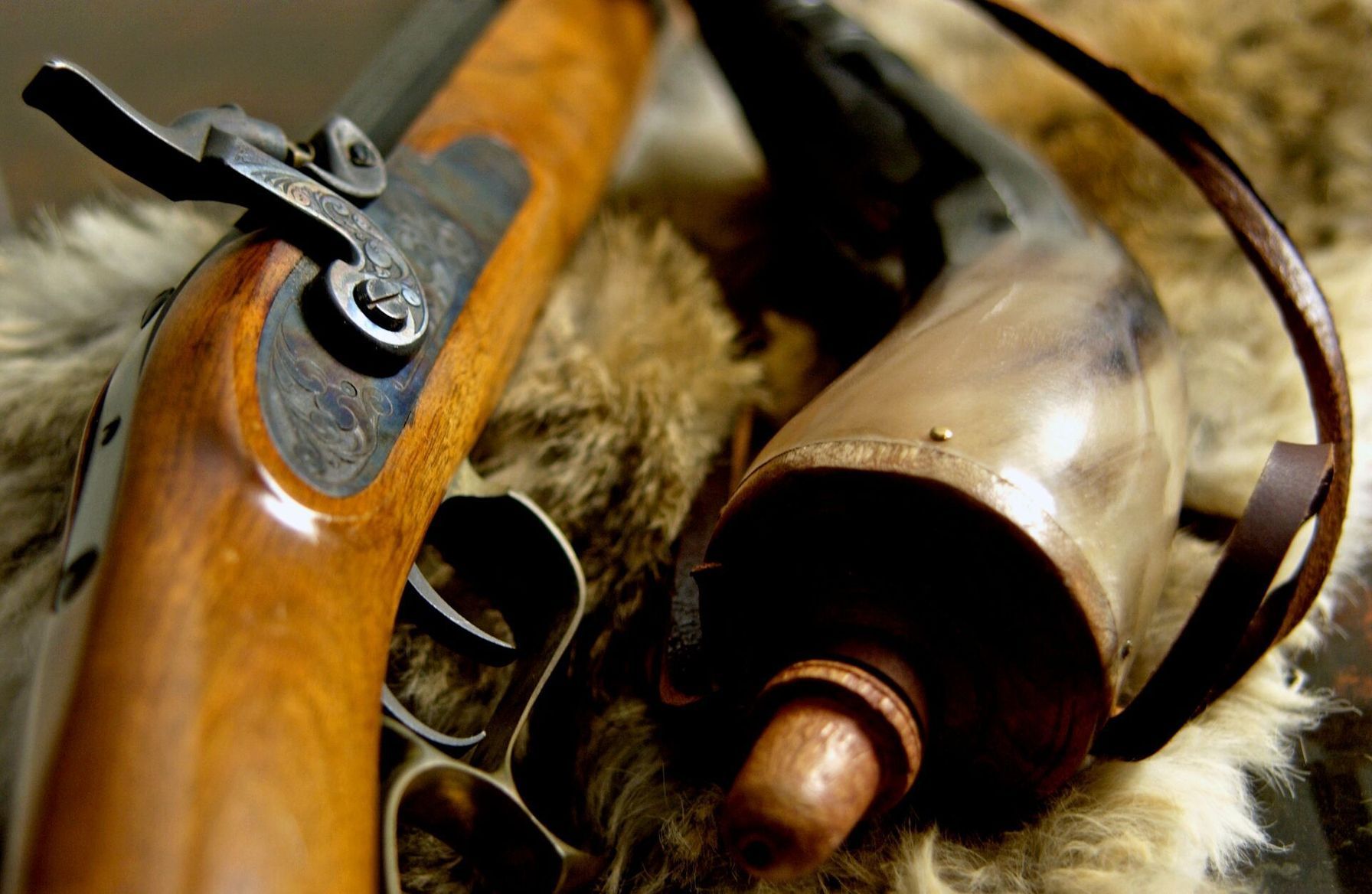
Why Hunt During Muzzleloader Season?
In many states, the muzzleloader season follows the general firearm season, meaning less pressure in the woods. Deer are less likely to be spooked, and you may encounter more relaxed animals settling back into regular routines, making it easier to find your target.
Additionally, as the muzzleloader season typically coincides with the post-rut period, your hunting plan can be more targeted, focusing on food and water sources as deer look to replenish after the rut. In some states, there may be more favorable hunting regulations or the removal of some restrictions during this season.
Finally, the challenge of using a muzzleloader provides a unique experience that appeals to hunters who enjoy a challenging and more aligned hunting experience with the ways of the past.
Michigan Dates and Regulations for Muzzleloader Hunting
Michigan is divided into Upper (UP) or Lower (LP) zones. Be sure to check the Michigan Deer Hunting Regulations to confirm dates and regulations before your hunt.
Michigan Muzzleloader Season Dates 2026 | |
| Upper and Lower Peninsula | December 4 – 6, 2026 |
Licensing and Permits
All residents and nonresidents must purchase a valid hunting or combination deer license to participate in the muzzleloader season. The standard deer license includes one kill tag, and the combo license includes two kill tags.
In addition, you have the option to purchase a universal antlerless deer license. This license, available to residents and nonresidents, allows the holder to take an antlerless deer in any deer management unit open to antlerless deer hunting during all seasons.
Remember: All first-time hunters born on or after January 1, 1960, must complete a hunter education course before applying for a license. Depending on the area and regulations, hunters may also need a muzzleloader permit or an all-firearm deer license.
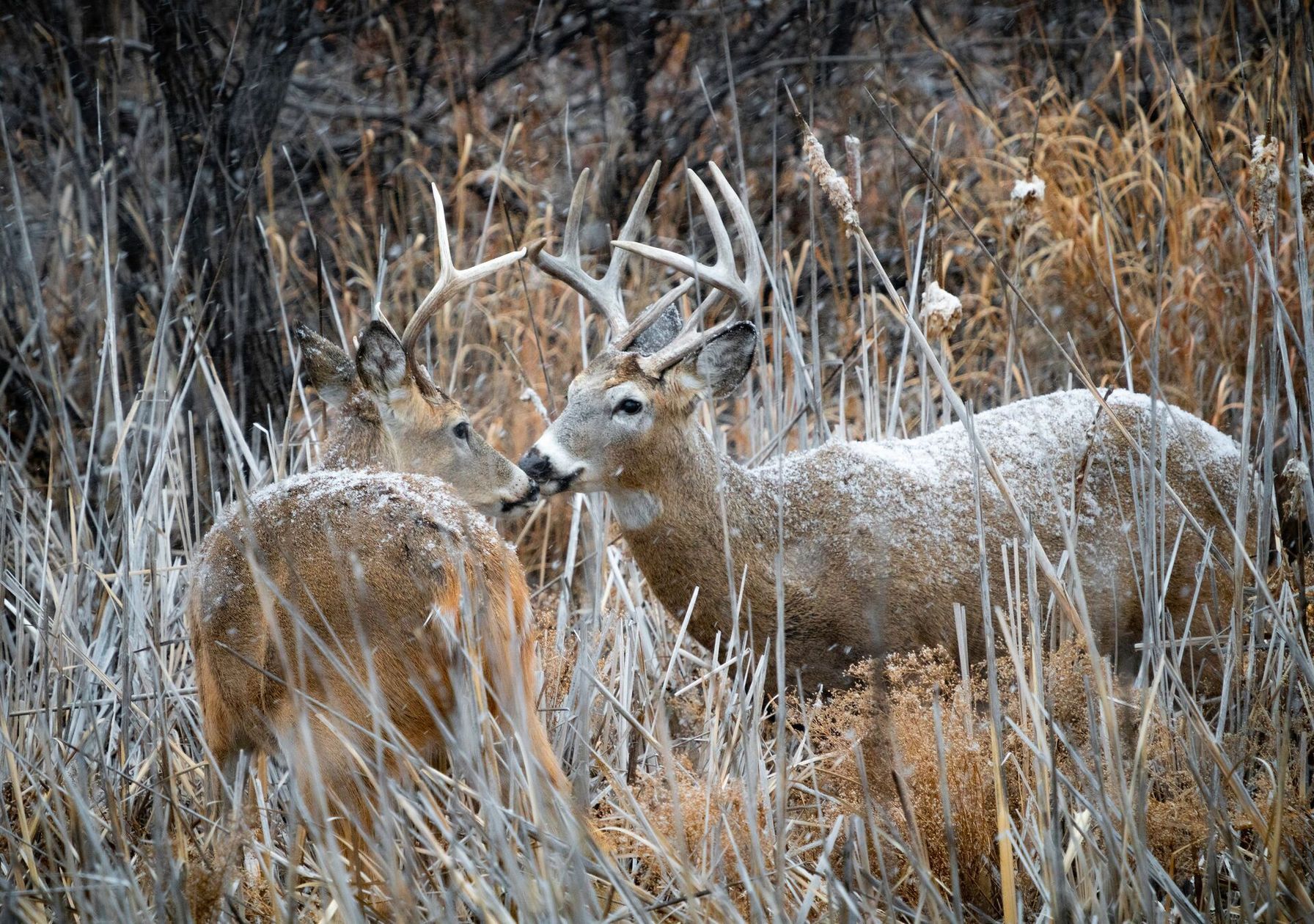
Firearm Requirements for Michigan Muzzleloader Season
If you hunt in zone 1 or 2, you can carry a crossbow, muzzleloading rifle, muzzleloading shotgun, or black-powder pistol loaded with black powder or a commercially produced substitute.
You can use all legal firearms in Zone 3 and Oceana, Newaygo, Mecosta, Muskegon, Isabella, Midland, and Bay counties. However, if you are hunting in the limited firearm deer zone, you must follow the equipment requirements for that zone.
What Are the Bag Limits?
Michigan deer bag limits will vary depending on the antlered vs. antlerless option, the intended hunting zone, and overriding legislation for that particular area.
There is a statewide limit of two antlered deer, except in DMU 117, where the bag limit is one antlered deer. However, hunters can take up to 12 deer when combining one combo kill tag license and up to 10 universal licenses (10 antlerless) during the extended late antlerless firearm deer season.
In some zones, antlerless deer permits are available during muzzleloader season, so checking if this applies in your hunting area is essential.
Safety Considerations
It's important to remember that safety regulations, such as the requirement for hunter orange (a cap, hat, vest jacket, or rain gear during shooting hours with a minimum of 50 percent hunter orange), the prohibition on hunting from cars, trapping, and the use of specialist ammunition such as tracer or exploding, are in place to keep you and others safe.
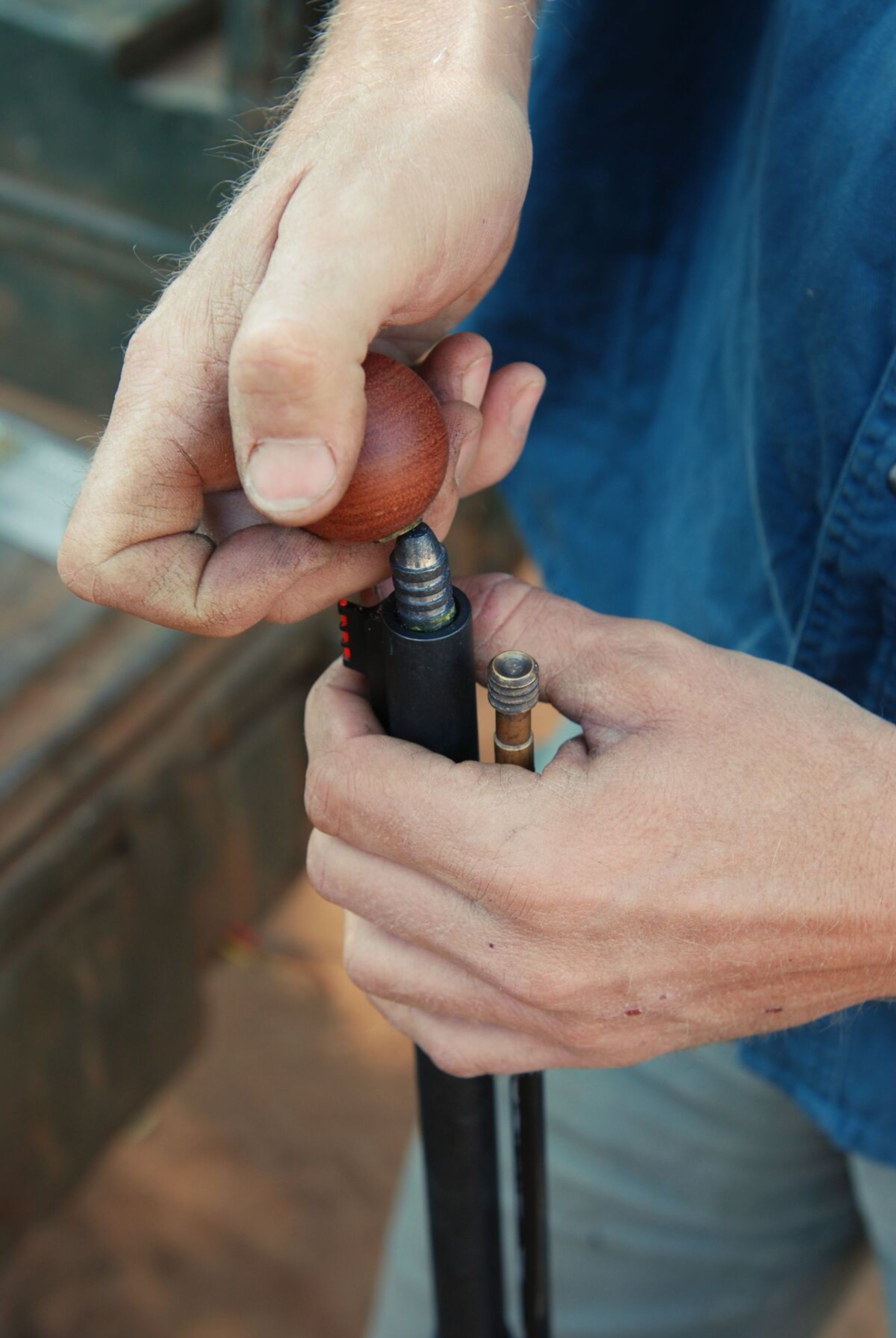
In addition to these regulations, some additional considerations regarding using muzzleloaders should be followed. While these are not mandated, it is essential to remember that the handling of muzzleloading rifles differs from that of a standard gun.
The sequence of loading black powder, bullet, and primer must be done correctly to prevent accidents. Skipping or misplacing any step can result in a dangerous malfunction, and reloading can take time, so remain patient. Additionally, special tools like a ball puller may be required to remove the projectile and charge safely after a misfire.
Regarding cleaning and maintenance, muzzleloaders require more frequent and thorough cleaning due to the corrosive nature of black powder and substitutes. Remember to clean your firearm after every few shots and to use a solvent to clean any residue thoroughly.
How to Plan a Muzzleloader Hunt in Michigan
The Michigan muzzleloader season is short, so the work you do ahead of time matters.
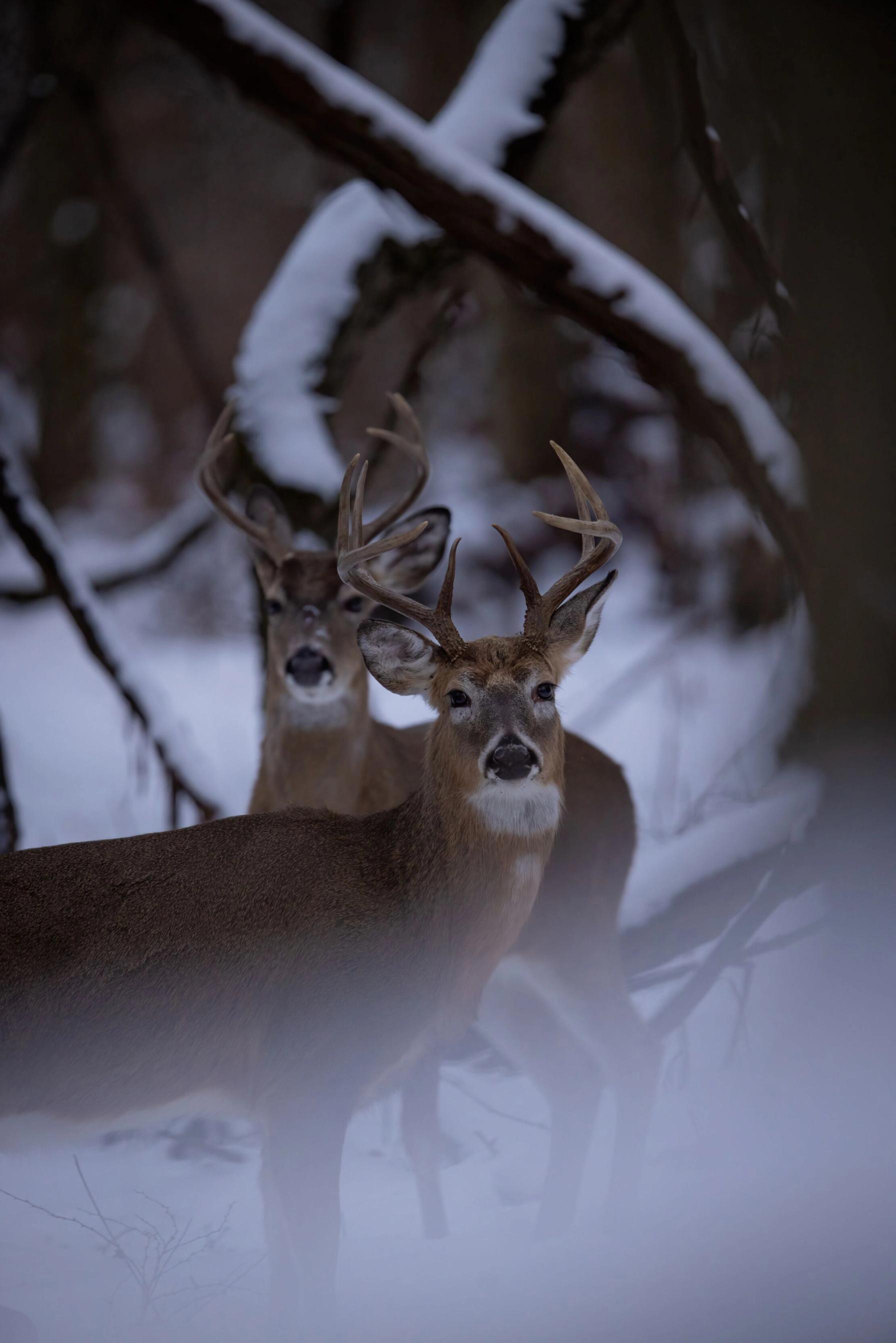
These steps walk you through planning your hunt, from checking the calendar to marking your stand. Each one pairs a Michigan DNR rule with a HuntWise tool that helps you put it into practice.
- Confirm your season and zone. The Natural Resources Commission cut Michigan’s muzzleloader season from 10 days to three, and it now starts on the first Friday in December. In the Upper Peninsula (Zone 1), that means a muzzleloader-only hunt on December 4-6 in 2026. In the Lower Peninsula, those same dates make up the December firearm season, which allows any legal firearm.
- Get licensed before you go. You need a base license plus a deer license or deer combo license. If you were born on or after January 1, 1960, you must complete hunter education before you buy a license.
- Check your muzzleloader and load. In Zone 1, you can carry only a muzzleloading rifle, muzzleloading shotgun, or black-powder pistol loaded with black powder or a commercially manufactured substitute. Sight in your firearm at a range well before opening day.
- Scout public and private land. Turn on the public land and property lines layers using HuntWise maps to see state forest, state game areas, and private parcels side by side. Michigan requires written or verbal landowner permission on farmland, connected woodlots, and fenced or enclosed land, and HuntWise shows landowner contact details so you know who to ask.
- Mark stands and access routes. Create a Hunt Area and drop pins for stands, blinds, food sources, and trails. Add notes as you scout. If you hang a stand on public land, it must be portable, and you must label it with your name and address, driver’s license number, or DNR Sportcard number.
- Plan around the wind and weather. Set an ideal wind direction for each stand pin, then check WindCast to see which stand keeps your scent away from deer. HuntCast adds an hourly movement forecast, so you can focus your three days on the hours deer are most likely to move.
- Download maps and pack your orange. Save your Hunt Area as an offline map so your boundaries and pins work without cell service. Wear a hunter orange cap, hat, vest, jacket, or rain gear as your outermost layer, visible from all sides.
- Know the rules after the shot. You must report your deer within 72 hours of harvest or before you transfer possession, whichever comes first. You can report through the Michigan DNR Hunt Fish app or online. Drop a pin where you last saw the deer and share it with your hunting partners to help with recovery.
A three-day season moves fast, and the planning you do in the weeks before December shapes how those days go.
When your licenses, gear, land access, and stand sites are in order, you can spend opening morning watching the woods instead of second-guessing your plan. Check the Michigan DNR regulations summary each year, since season dates and equipment rules can change.
Muzzleloader Hunting Tips For Success
Muzzleloading hunting differs from the regular season as you typically hunt on the back of the regular firearm season, which involves more hunters and, consequently, more hunting pressure. During this late season, focus on hunting food sources that provide nutritious and energy-dense foods that will replenish the energy reserves of tired deer.
At this time, deer may seek out thicker vegetation for cover as they are more wary after possible human interaction and actively seek warmth.
To help you find these locations, jump on the HuntWise app and explore late-season agricultural fields and food sources close to heavily hunted areas, as deer will seek nutrition from these zones.
This approach will require consistency, so target the same movement corridor or deer track and consider hunting from a stand to reduce noise and scent interference.
Regarding deer calls, you may have some luck with doe bleats targeting the post-rut period, during which some deer may not have been bred.

Master the Michigan Muzzleloading Late Season with HuntWise
If you want to extend your season or have always been interested in hunting with muzzleloaders, the Michigan muzzleloader season is a great place to start. With a generous bag limit and the unique opportunity to target deer with less hunting pressure, add Michigan to your muzzleloading list for the upcoming season.
When planning your hunt, grab the HuntWise app to help with preparation, such as in-depth e-scouting with state-of-the-art mapping technologies, insights from professional guides, rut casting, weather insights, and more. HuntWise is the best way to track variations in deer movement based on the timing of the season, so you always know where to set up for the best chances of bringing home a buck — any time you head out for a hunt.
Content most recently reviewed and updated for recency and the latest season dates November 6, 2026.
Frequently Asked Questions (FAQs)
Q: When is Michigan muzzleloader season in 2026?
A: In the Upper Peninsula (Zone 1), the muzzleloader-only season runs December 4-6, 2026. Michigan cut the season from 10 days to three, and it now starts the first Friday in December. In the Lower Peninsula, those same dates make up the December firearm season, which allows any legal firearm.
Q: What firearms are legal during Michigan muzzleloader season?
A: In Zone 1, you can carry a muzzleloading rifle, muzzleloading shotgun, or black-powder pistol in Michigan. Load it with black powder or a commercially manufactured substitute. Some crossbow exceptions apply, including one for certified hunters with disabilities, so read the current Michigan DNR summary for the exact wording.
Q: What licenses do I need for Michigan muzzleloader season?
A: You need a base license plus a deer license or a deer combo license to hunt Michigan muzzleloader season. If you were born on or after January 1, 1960, you must complete hunter education before you buy your license. Confirm your license choice with the Michigan DNR before you head out.
Q: Do I have to wear hunter orange during muzzleloader season?
A: Yes. Wear a hunter orange cap, hat, vest, jacket, or rain gear as your outermost layer. Make sure the orange is visible from all sides.
Q: Can I hunt private land during muzzleloader season?
A: You can, but Michigan requires written or verbal landowner permission on farmland, connected woodlots, and fenced or enclosed land. Ask the landowner before you hunt, not after you arrive. HuntWise shows property lines and landowner contact details, so you can see who owns a parcel and who to ask.
Q: How do I report my deer after a harvest?
A: Report your deer within 72 hours of harvest or before you transfer possession, whichever comes first. You can report through the Michigan DNR Hunt Fish app or online. The report takes only a few minutes, so file it as soon as you have a signal.
Q: How can HuntWise help me plan a Michigan muzzleloader hunt?
A: HuntWise lets you scout public land and property lines, then drop pins for stands, blinds, and trails in a Hunt Area. WindCast helps you match each stand to the wind, and HuntCast gives you an hourly movement forecast. You can also save your Hunt Area as an offline map for areas without cell service.


